
Any Questions? Email Us
Talk to an Expert
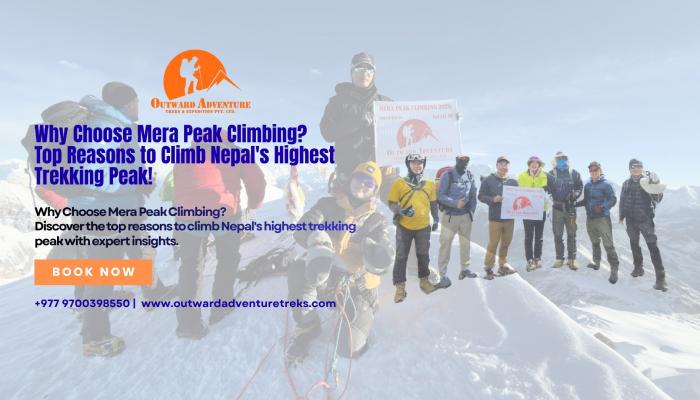
Standing at 6,476 meters (21,247 ft), Mera Peak is Nepal's highest trekking peak and one of the world's most rewarding high-altitude adventures for trekkers seeking their first Himalayan summit. Mera Peak Climbing combines spectacular trekking through the untouched Hinku Valley, authentic Sherpa villages, pristine alpine forests, glacial terrain, and an achievable mountaineering challenge. Unlike Nepal's more crowded trekking routes, Mera Peak offers a peaceful Himalayan experience with fewer trekkers and extraordinary scenery. From the summit, climbers are rewarded with one of the finest mountain panoramas on Earth, including five of the world's highest peaks—Mount Everest (8,848.86 m), Lhotse (8,516 m), Makalu (8,485 m), Cho Oyu (8,188 m), and Kanchenjunga (8,586 m)—creating an unforgettable 360-degree Himalayan spectacle.
Whether you are an experienced trekker preparing for your first peak climb or an ambitious adventurer aiming to develop mountaineering skills before attempting higher expeditions, Mera Peak is widely regarded as one of Nepal's best introductory climbing objectives. The climb involves glacier travel, crampon use, fixed rope techniques, and ice axe skills while remaining technically less demanding than many other Himalayan peaks. This balance of accessibility and adventure makes Mera Peak one of the most searched and recommended trekking peaks in Nepal.
One of the greatest strengths of Mera Peak Climbing is its gradual acclimatization. Most professionally designed itineraries allow climbers sufficient time to adapt to increasing altitude, significantly improving summit success rates while minimizing the risk of altitude-related illnesses. A carefully planned itinerary, experienced climbing guides, and proper acclimatization are the foundations of a safe and enjoyable expedition.
The journey begins with a scenic mountain flight or an overland drive from Kathmandu before entering the remote Hinku Valley. Along the trail, trekkers pass through dense rhododendron forests, peaceful yak pastures, glacial rivers, high alpine landscapes, and traditional Sherpa settlements. Unlike the busy Everest Base Camp trail, the Mera Peak route offers tranquility, authentic Himalayan culture, and a genuine wilderness experience.
The final summit push is both physically demanding and emotionally rewarding. Climbers leave High Camp before dawn, ascending across snowfields and glaciers beneath countless stars. As sunrise illuminates the Himalayan giants, every step toward the summit becomes increasingly memorable. Reaching the top of Mera Peak delivers not only breathtaking views but also an incredible sense of personal achievement that remains with climbers for a lifetime.
For those planning Mera Peak Climbing in 2027 or 2028, choosing the right operator is essential. A professionally organized expedition includes experienced government-licensed trekking guides, certified climbing Sherpas, high-quality camping equipment, comprehensive safety measures, proper acclimatization schedules, nutritious meals, and reliable logistical support throughout the journey. These factors significantly increase both safety and summit success.
The best seasons for Mera Peak Climbing are spring (March to May) and autumn (September to November). During these periods, climbers enjoy stable weather, excellent mountain visibility, comfortable trekking conditions, and higher summit success rates. While winter and monsoon departures are possible, they generally require greater experience due to colder temperatures and more challenging weather conditions.
Many climbers also combine Mera Peak with nearby adventures such as Island Peak Climbing, Amphu Laptsa Pass, or the Everest Base Camp Trek, creating an extended Himalayan expedition that offers even greater adventure and mountaineering experience. These combination itineraries are increasingly popular among international climbers seeking a complete Everest-region adventure.
If your goal is to stand atop Nepal's highest trekking peak while experiencing remote Himalayan landscapes, authentic Sherpa culture, and world-class mountain scenery, Mera Peak is one of the finest climbing destinations available. With careful preparation, physical fitness, professional guidance, and a well-designed itinerary, Mera Peak offers an achievable yet truly extraordinary Himalayan summit experience.
At Outward Adventure Treks, our experienced local Sherpa team specializes in delivering safe, ethical, and personalized Mera Peak expeditions for climbers from around the world. From obtaining climbing permits and arranging logistics to providing expert mountaineering instruction and summit support, every aspect of your journey is carefully managed to maximize safety, comfort, and success. Whether you are climbing Mera Peak as your first Himalayan summit or as preparation for future expeditions, our expert guides are committed to helping you achieve your dream while creating memories that will last a lifetime.
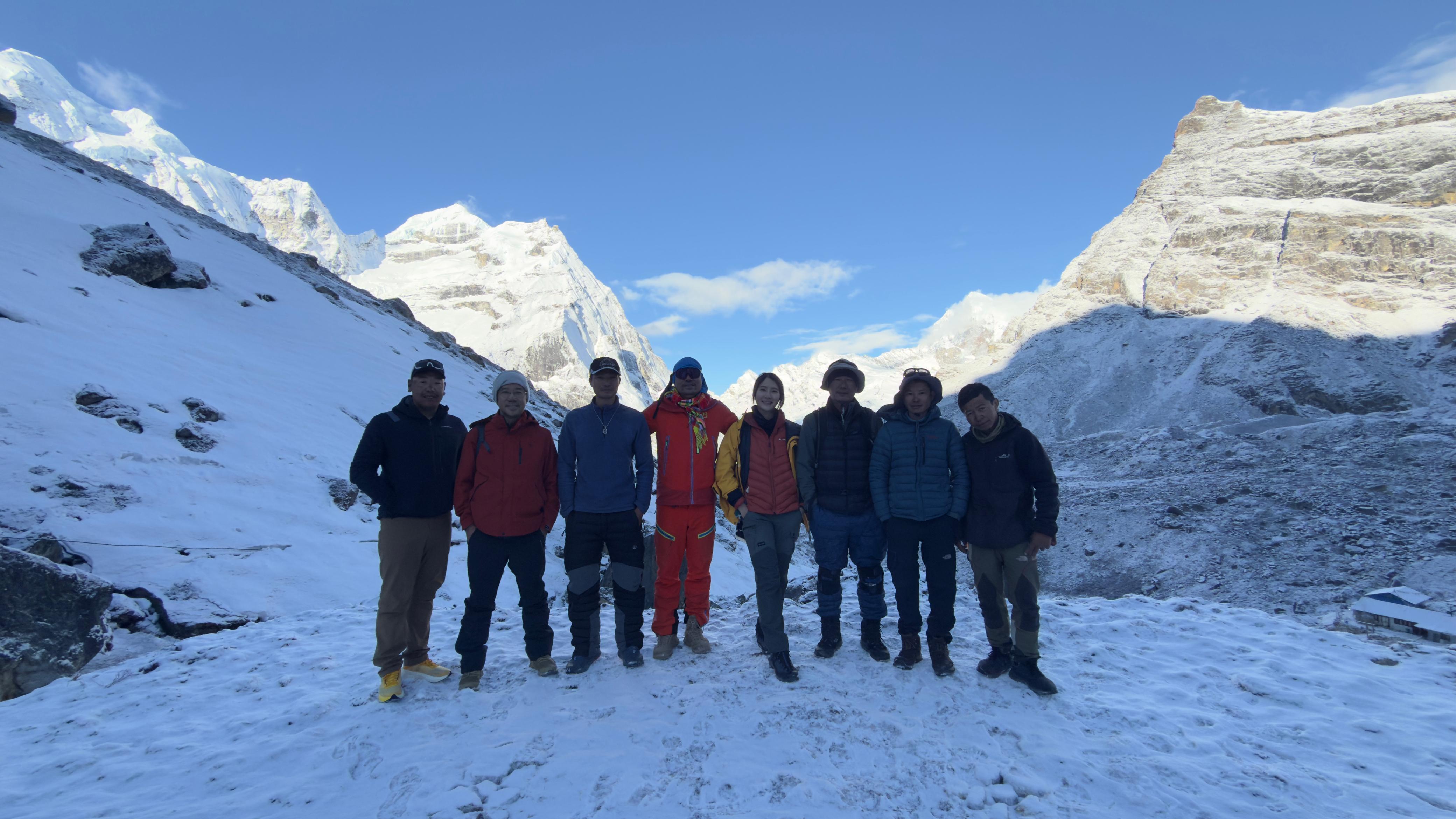
Mera Peak Climbing is one of Nepal's most sought-after mountaineering adventures because it offers the perfect balance of trekking, high-altitude climbing, and breathtaking Himalayan scenery. Standing at 6,476 meters (21,247 feet), Mera Peak is the highest officially designated trekking peak in Nepal. Unlike more technically demanding mountains, it allows climbers to experience the thrill of reaching a Himalayan summit without requiring extensive alpine climbing experience. This combination makes Mera Peak an ideal objective for adventurous trekkers, first-time mountaineers, and experienced climbers preparing for higher Himalayan expeditions.
For many climbers, reaching a summit above 6,000 meters is a lifelong dream. Mera Peak provides an achievable opportunity to accomplish this milestone while enjoying one of Nepal's safest trekking peak routes. Standing on the summit is not only a personal achievement but also a testament to physical endurance, mental determination, and careful preparation. Climbers leave with the confidence that they have successfully conquered one of the Himalayas' most respected trekking peaks.
One of the biggest reasons climbers choose Mera Peak is its world-famous panoramic summit view. From the top, the Himalayan skyline stretches endlessly across eastern Nepal and Tibet, revealing some of the highest mountains on Earth. On clear mornings, climbers can witness Mount Everest, Lhotse, Makalu, Cho Oyu, and Kanchenjunga in a single breathtaking panorama. Very few trekking peaks provide such an expansive and uninterrupted view of five 8,000-meter giants, making the summit one of the finest viewpoints in the Himalayas.
Mera Peak is widely regarded as one of the best introductory climbing peaks in Nepal. Although it requires excellent physical fitness and strong determination, the climbing route is less technical than many other Himalayan peaks. Most of the ascent follows snow slopes and glacier terrain, where climbers use crampons, an ice axe, harness, and fixed ropes under the guidance of experienced Sherpa climbing guides. This makes Mera Peak an excellent choice for trekkers who want to transition into mountaineering without facing highly technical rock or ice climbing.
Many climbers choose Mera Peak as preparation for more challenging expeditions such as Island Peak, Lobuche East, Ama Dablam, Baruntse, Manaslu, or even Mount Everest. The climb develops essential mountaineering skills while allowing participants to experience the physical and mental demands of high altitude. By completing Mera Peak, climbers gain valuable experience in glacier travel, rope techniques, and altitude management, building confidence for future expeditions.
Unlike the crowded Everest Base Camp route, Mera Peak follows the beautiful and remote Hinku Valley. This quieter trail offers a more immersive Himalayan experience, with fewer trekkers and a stronger sense of wilderness. The journey passes through dense rhododendron forests, alpine meadows, glacial rivers, and rugged mountain landscapes, allowing climbers to appreciate Nepal's natural beauty in a peaceful setting.
The expedition is not only about reaching the summit but also about experiencing the unique culture of the Everest region. Along the trail, climbers pass through traditional Sherpa villages, visit ancient Buddhist monasteries, and interact with local families whose traditions have been shaped by generations of life in the high Himalayas. The warm hospitality, colorful prayer flags, stone mani walls, and spiritual atmosphere add cultural depth to the adventure.
Another reason Mera Peak is so popular is its well-designed climbing itinerary. Most expeditions include gradual altitude gain and dedicated acclimatization days, helping climbers adapt safely to the thinner air. This careful approach significantly reduces the risk of altitude sickness and improves overall summit success. Experienced guides continuously monitor climbers' health and pace, ensuring a safer and more enjoyable journey.
Mera Peak is more than a climb—it is a complete Himalayan experience. The expedition combines scenic trekking, glacier travel, basic mountaineering, cultural exploration, and one of Nepal's most rewarding summits. Every stage of the journey offers something memorable, from crossing suspension bridges and walking through pristine forests to climbing across glaciers and watching sunrise illuminate the world's highest mountains.
For many adventurers, Mera Peak represents the perfect combination of challenge and accessibility. It provides the excitement of a true Himalayan ascent while remaining achievable for well-prepared climbers with professional guidance. Reaching the summit delivers not only extraordinary mountain views but also a lasting sense of accomplishment. This blend of natural beauty, adventure, personal growth, and mountaineering achievement is why Mera Peak continues to be one of Nepal's most popular climbing destinations and an unforgettable goal for climbers from around the world.
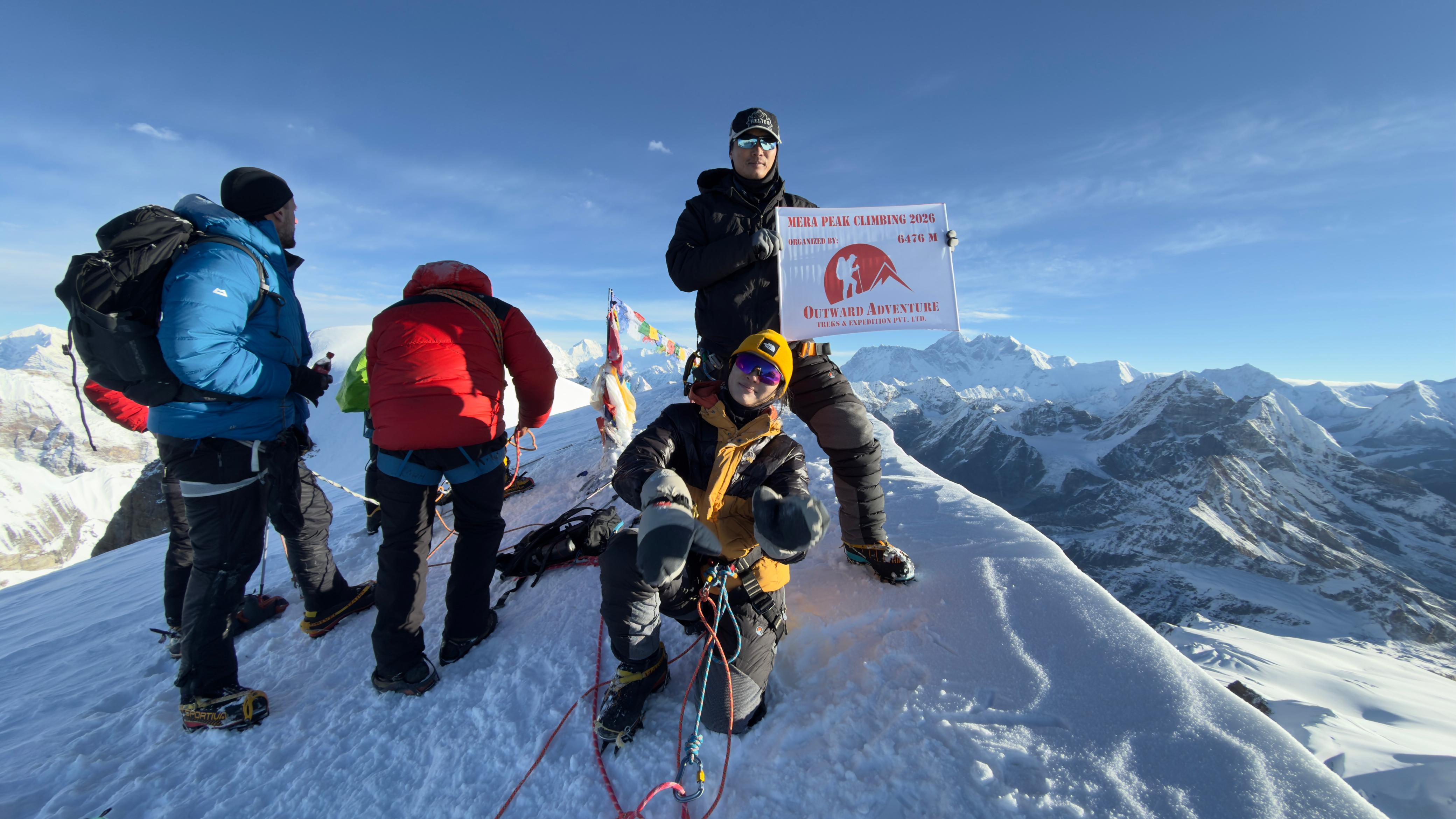
Mera Peak Climbing is much more than reaching the summit of Nepal's highest trekking peak. It is a complete Himalayan journey that combines remote trekking, authentic Sherpa culture, glacier travel, breathtaking mountain scenery, and an unforgettable mountaineering experience. Here are the major highlights that make Mera Peak one of Nepal's finest climbing adventures.
1. Summit Nepal's Highest Trekking Peak (6,476 m)
2. Spectacular Views of Five 8,000-Meter Peaks
Few mountains in Nepal offer views comparable to Mera Peak. From the summit, climbers enjoy a breathtaking 360-degree panorama of the Himalayas, including:
In addition to these legendary giants, countless snow-covered peaks, glaciers, and deep Himalayan valleys stretch toward the horizon, making this one of the finest viewpoints in the world.
3. Explore the Remote and Beautiful Hinku Valley
The quieter trails provide a more authentic wilderness experience where trekkers can fully appreciate Nepal's natural beauty without heavy tourist traffic.
4. Experience Authentic Sherpa Culture
Throughout the journey, climbers pass through traditional Sherpa villages where centuries-old Himalayan traditions remain alive. Visitors experience:
5. Exciting Glacier and Snow Climbing Experience
Mera Peak introduces climbers to real Himalayan mountaineering techniques in a safe and supportive environment. Participants gain hands-on experience with:
These practical skills provide excellent preparation for future alpine expeditions.
6. Challenging Yet Achievable Summit Push
Although physically demanding due to the altitude, the climb is technically straightforward, making the summit attainable for determined trekkers with good fitness and proper acclimatization.
The emotional reward of reaching the summit is one of the most memorable moments of the expedition.
7. Witness Unforgettable Himalayan Sunrises
Many climbers describe this sunrise as one of the greatest moments of their lives.
8. Excellent Acclimatization for High-Altitude Success
Proper acclimatization also allows climbers to fully enjoy the journey rather than rushing toward the summit.
9. Rich Himalayan Wildlife and Natural Beauty
The trail passes through diverse ecosystems that are home to unique Himalayan wildlife.Depending on the season and luck, trekkers may encounter:
The forests are especially beautiful during spring when rhododendrons bloom across the hillsides.
10. Professional Sherpa Support and Safe Climbing
Their local knowledge and mountaineering expertise significantly enhance both safety and confidence at high altitude.
11. A Perfect First Himalayan Mountaineering Experience
12. Create Lifelong Memories in the Himalayas
Mera Peak Climbing combines the thrill of summiting Nepal's highest trekking peak with remote Himalayan exploration, authentic Sherpa culture, glacier travel, and world-class mountain scenery. Its achievable technical difficulty, exceptional summit views, and immersive wilderness experience make it one of the most rewarding climbing adventures in Nepal for both aspiring mountaineers and experienced trekkers seeking a remarkable high-altitude challenge.
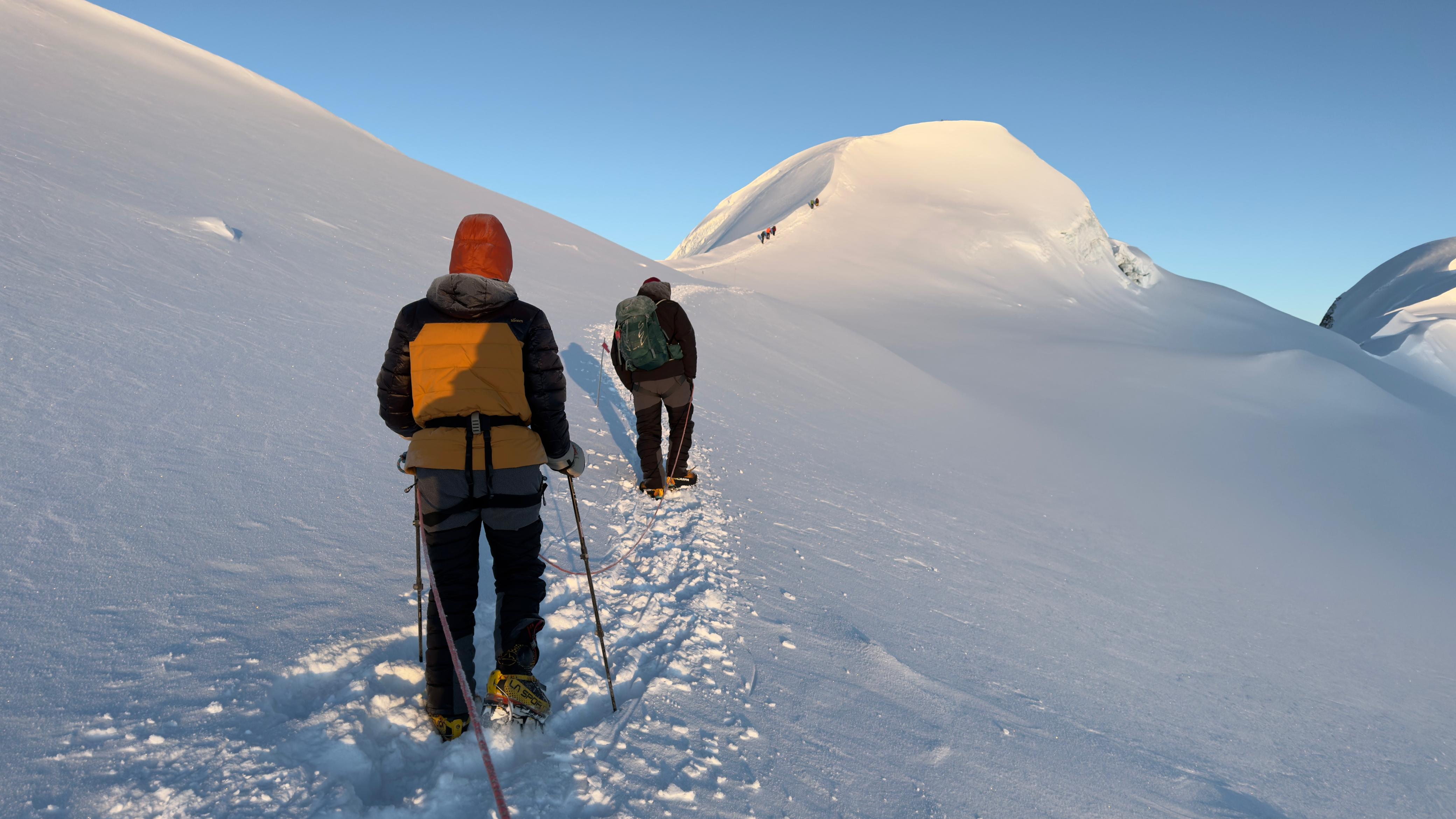
Mera Peak (6,476 m / 21,247 ft) is Nepal's highest trekking peak and one of the most popular climbing objectives in the Himalayas. However, many misconceptions surround this incredible mountain. Understanding the difference between myths and facts will help you prepare realistically and enjoy a safer, more successful Mera Peak Climbing Expedition.
This remarkable 360-degree panorama is one of the biggest reasons climbers choose Mera Peak.
Mera Peak has earned its reputation as Nepal's highest trekking peak because it combines accessibility with genuine high-altitude adventure. The mountain is challenging but achievable, remote yet welcoming, and demanding while incredibly rewarding. By separating myths from facts, climbers can prepare with realistic expectations, improve their chances of a successful ascent, and fully appreciate one of the Himalayas' most iconic climbing experiences.

Planning ahead is the best way to secure your place for Mera Peak Climbing 2027/2028. Early booking gives you access to your preferred departure dates, better flight availability, and ample time to prepare physically and mentally for Nepal's highest trekking peak. Outward Adventure Treks has already opened bookings for its Mera Peak programs, including standard and helicopter-return options. (outwardadventuretreks.com)
Outward Adventure Treks is a Nepal-based trekking and mountaineering company led by experienced local Sherpa professionals. Their Mera Peak expeditions emphasize safety, acclimatization, and personalized service. According to the company's published information, they offer:
When you reserve your expedition, the team typically assists with:
These seasons consistently provide the best opportunities for a successful summit.
You can submit your booking request directly through the official booking page:
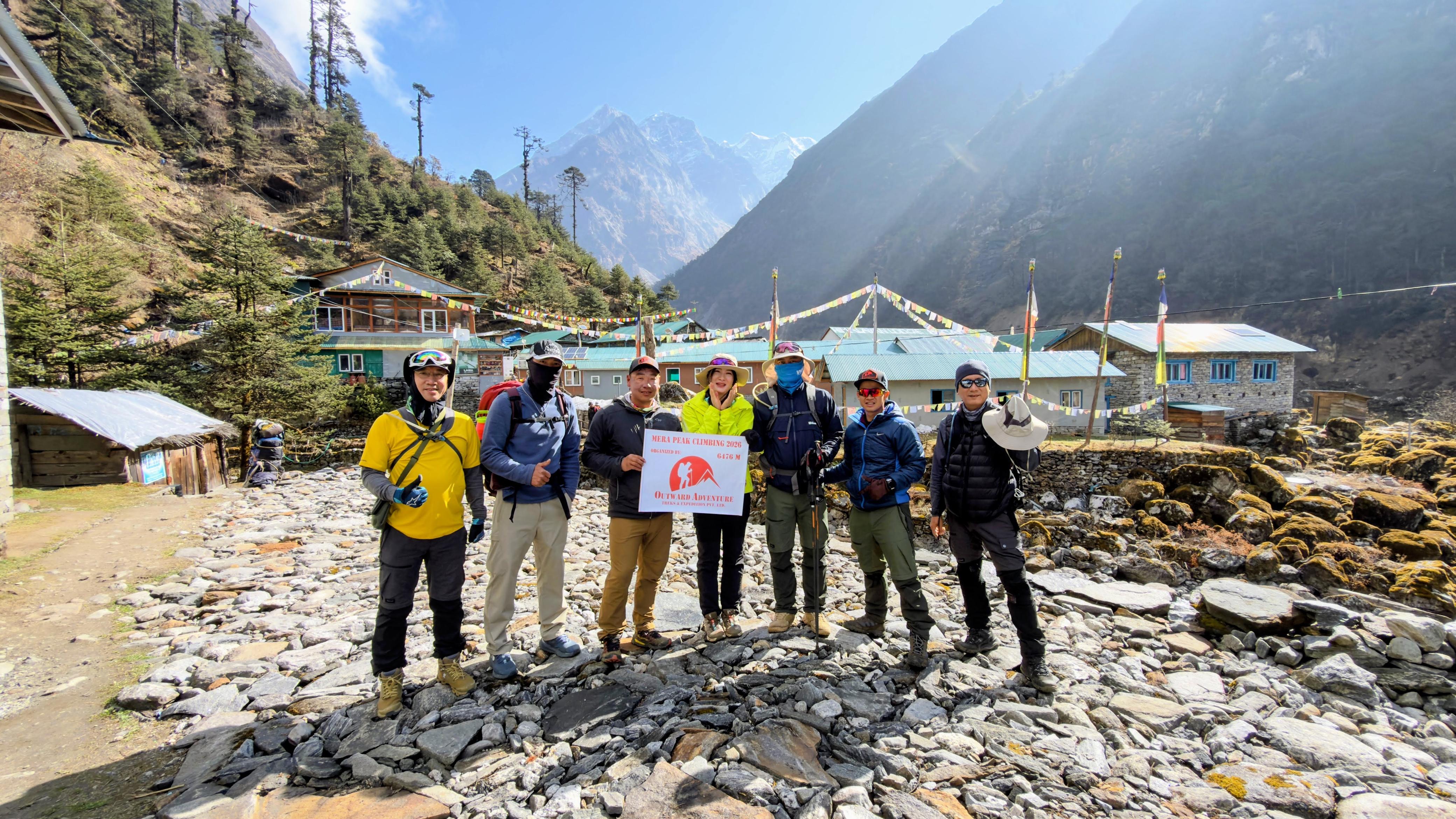
Don't miss the opportunity to climb Nepal's highest trekking peak (6,476 m) with an experienced Sherpa-led team. Whether you are an ambitious trekker aiming for your first Himalayan summit or an experienced adventurer preparing for higher expeditions, Outward Adventure Treks offers professionally organized Mera Peak expeditions focused on safety, exceptional service, and unforgettable Himalayan experiences. Pre-book your Mera Peak Climbing 2027/2028 adventure today and begin your journey toward one of the world's most rewarding high-altitude summits.
Mera Peak Climbing is far more than a summit attempt—it's a transformative Himalayan adventure that combines remote trekking, authentic Sherpa culture, glacier travel, and the thrill of standing atop Nepal's highest trekking peak at 6,476 meters. From the peaceful Hinku Valley to the breathtaking sunrise over Mount Everest, Lhotse, Makalu, Cho Oyu, and Kanchenjunga, every step offers unforgettable memories and a deeper appreciation of the Himalayas.
Whether you're an experienced trekker aiming for your first 6,000-meter peak or an aspiring mountaineer preparing for future expeditions, Mera Peak provides the perfect balance of challenge, safety, and achievement. With proper training, gradual acclimatization, and the guidance of experienced Sherpa professionals, reaching the summit is an attainable and immensely rewarding goal.
At Outward Adventure Treks, we are committed to delivering safe, personalized, and professionally guided Mera Peak expeditions for the 2027/2028 climbing seasons. From planning and permits to expert summit support, our dedicated team ensures every detail is handled with care, allowing you to focus on the adventure of a lifetime.
Pre-book your Mera Peak Climbing 2027/2028 with Outward Adventure Treks today and take the first step toward conquering Nepal's highest trekking peak. The Himalayas are calling—it's time to answer with confidence, determination, and the spirit of adventure.
 Jul 14, 2026
Planning a Himalayan adventure in 2027? Everest Base Camp vs Annapurna Base Camp Trek is one of the most searched compar...
Read More Jul 09, 2026
Planning your 2027 Island Peak and Everest Base Camp Trek is your opportunity to experience two of Nepal's most iconic H...
Read More Jul 05, 2026
Nepal is globally recognized as the heart of Himalayan mountaineering, offering the world's most iconic high-altitude ex...
Read More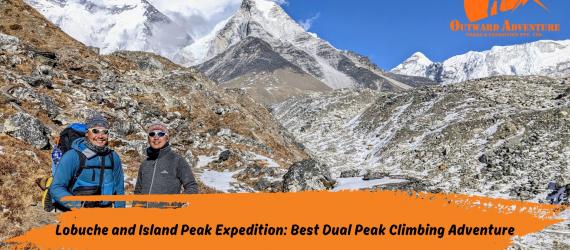 Jun 28, 2026
Combined Lobuche and Island Peak Climbing is one of Nepal's most rewarding and challenging alpine adventures, offering e...
Read More
Leave a Comment