Any Questions? Email Us
Talk to an Expert
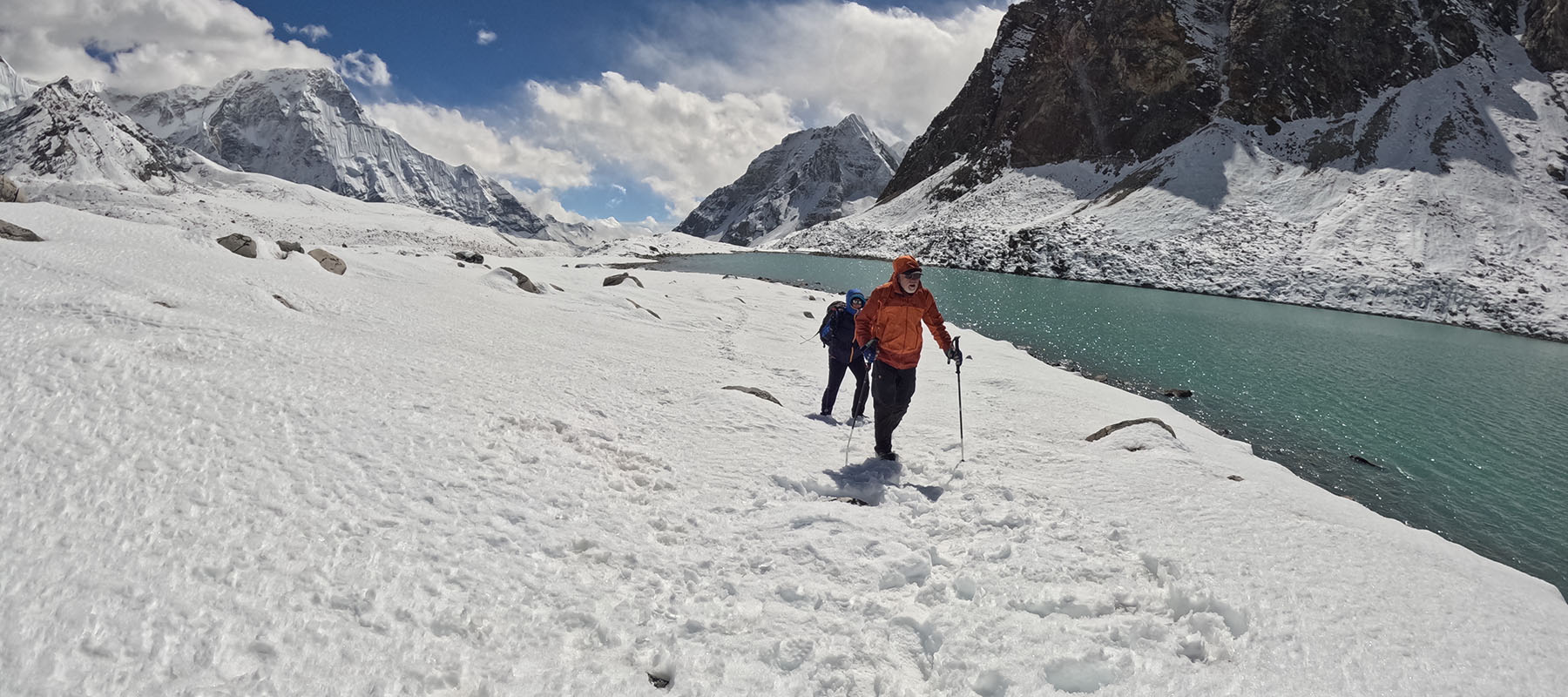
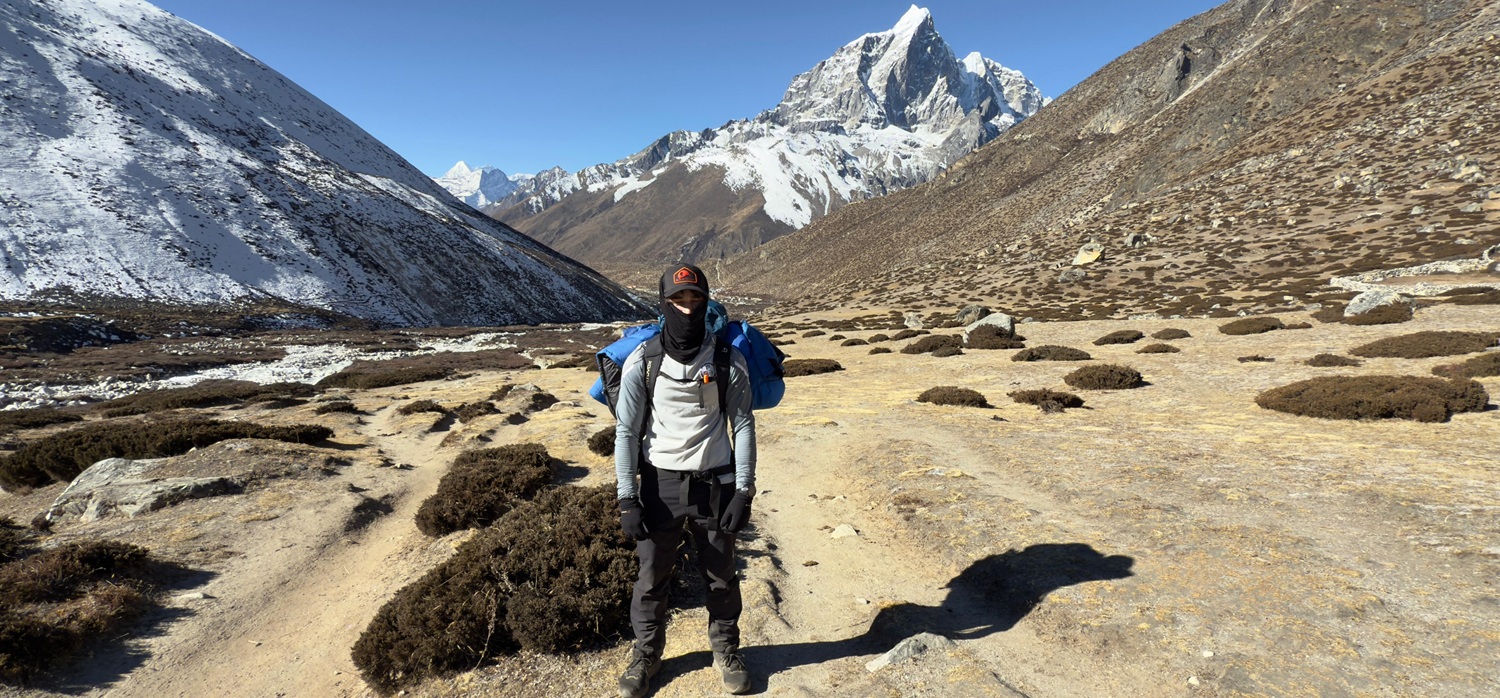
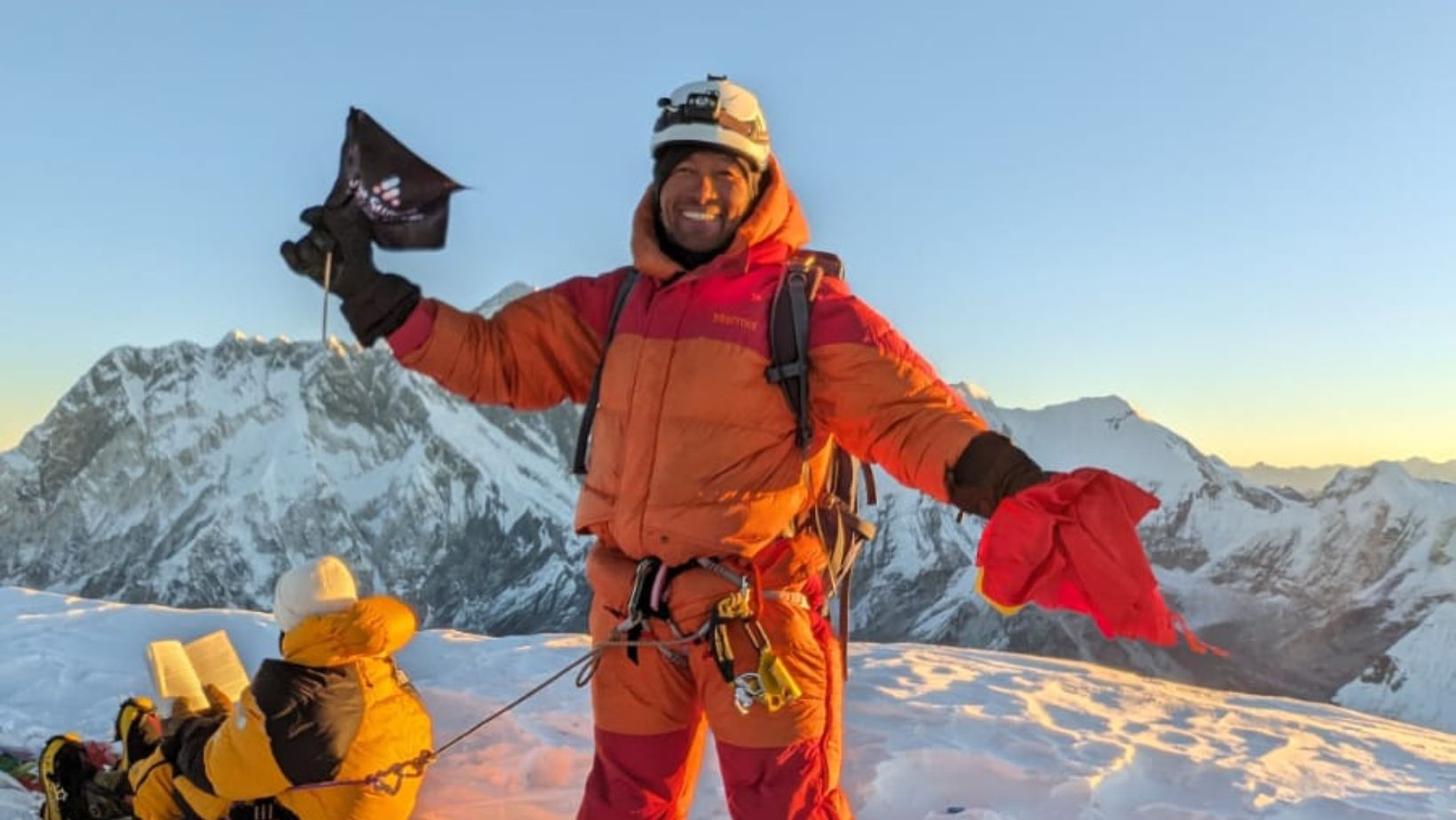
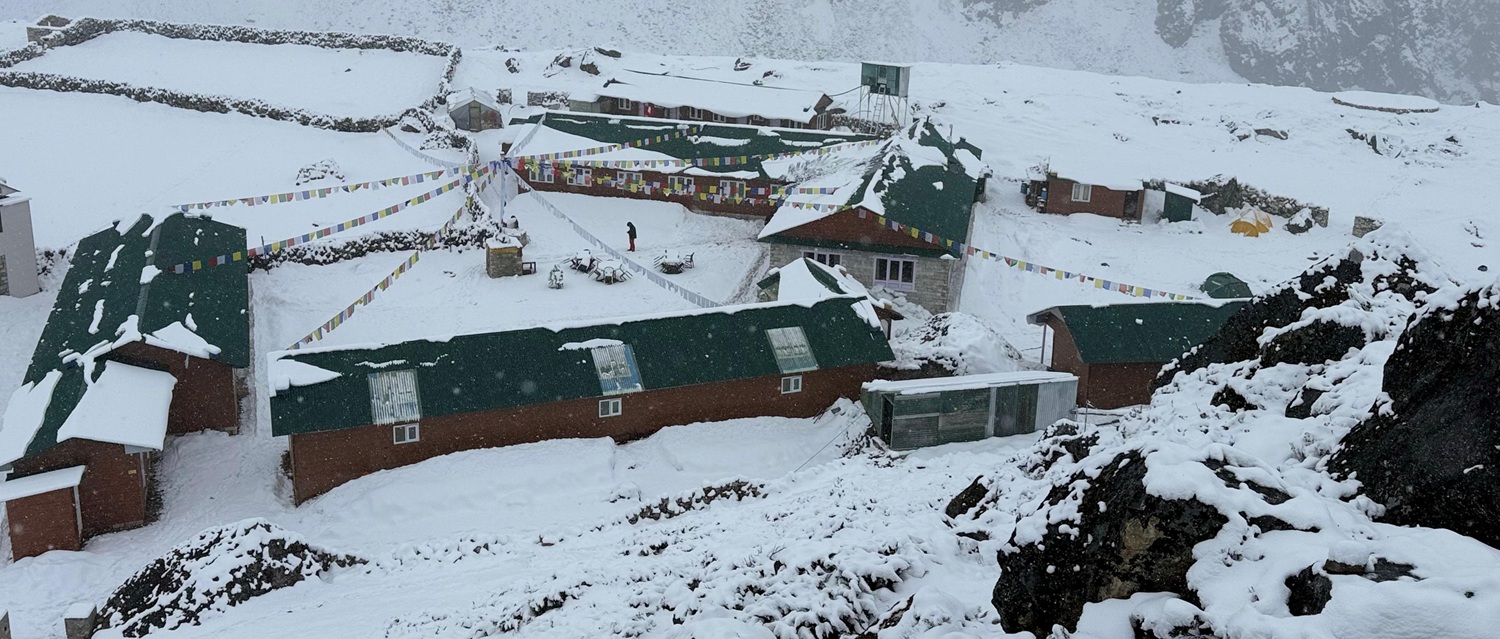
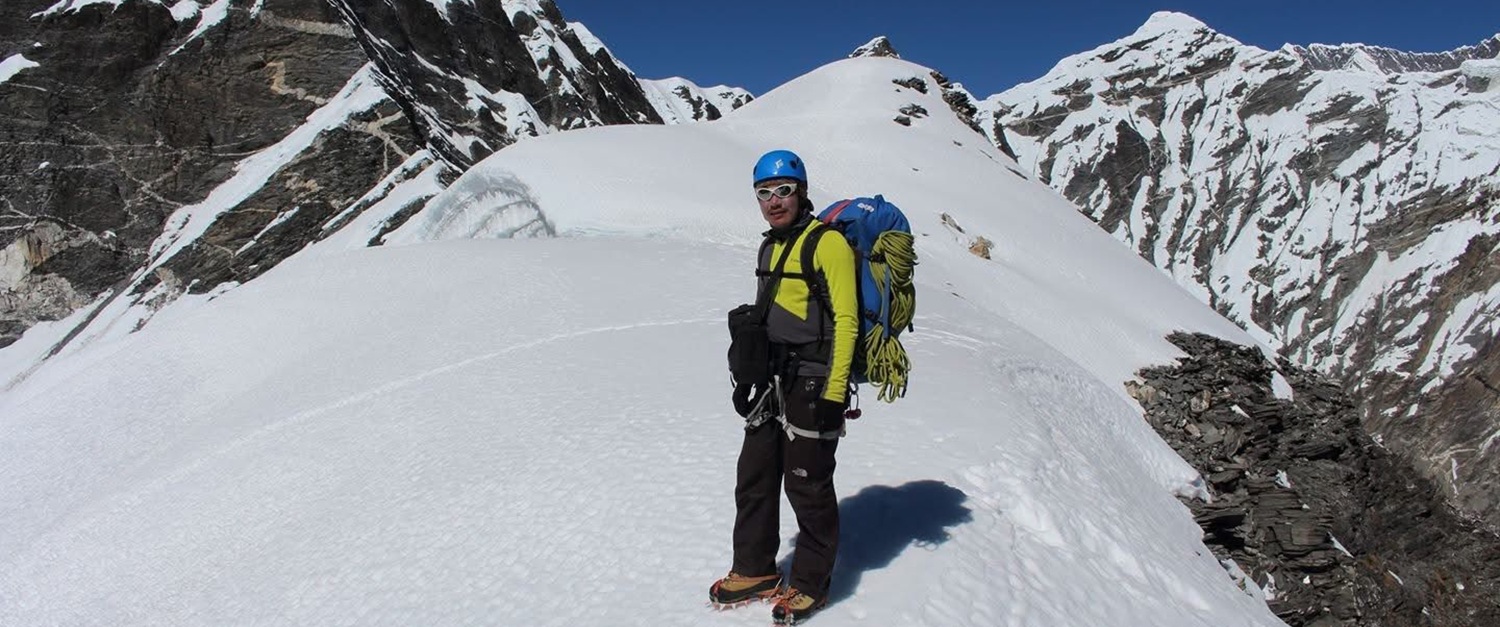
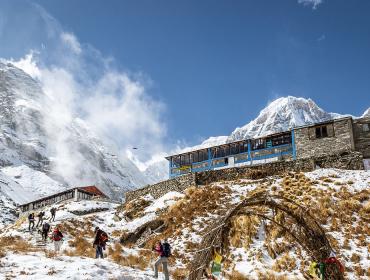
Embark on an extraordinary Himalayan adventure with Outward Adventure Treks as we take you through a thrilling 27-day journey that combines high-altitude trekking, technical climbing, and breathtaking mountain vistas. This expedition is designed for experienced adventurers seeking to conquer Mera Peak (6,476m), traverse the challenging Amphu Laptsa Pass (5,845m), and summit the iconic Ama Dablam (6,812m)—one of the most stunning and technically demanding peaks in the Everest region. With a carefully crafted itinerary that balances acclimatization, skill training, and awe-inspiring landscapes, this trip promises an unforgettable mountaineering experience in the heart of the Himalayas.
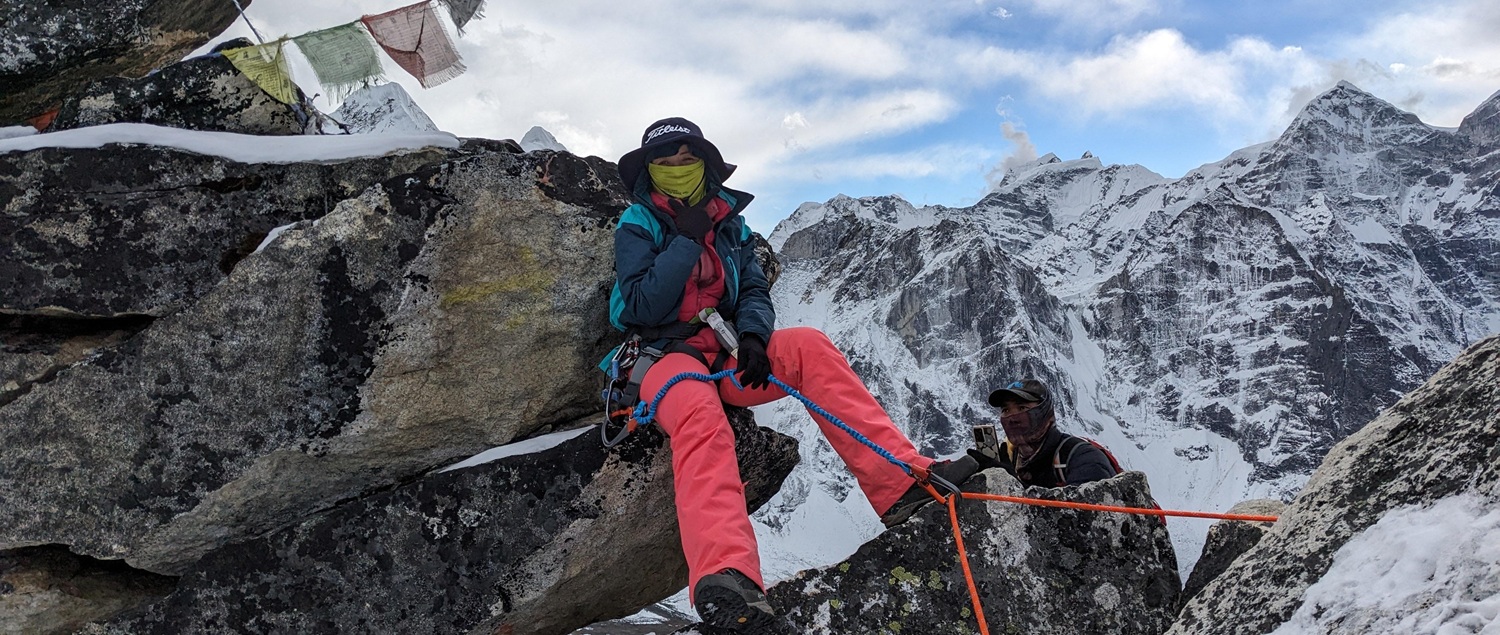
Your journey begins in Kathmandu, where you’ll immerse yourself in Nepal’s rich culture before flying to Lukla, the gateway to the Everest region. From there, the trek leads you through the remote Hinku Valley, a less-traveled path offering pristine wilderness, dense rhododendron forests, and high alpine meadows. As you gradually ascend towards Mera Peak, you’ll have ample time to acclimatize, with a dedicated day at Khare (5,045m) for ice climbing practice, ensuring you’re well-prepared for the challenges ahead. The climb to Mera’s summit rewards you with one of the most spectacular panoramic views in the Himalayas, including Everest, Lhotse, Makalu, and Kanchenjunga.

After descending from Mera Peak, the adventure continues with the dramatic Amphu Laptsa crossing, a technical glacier pass that demands careful navigation, fixed ropes, and mountaineering skills. This exhilarating traverse connects the Hinku Valley to the Everest region, leading you to Chukkung and onward to Ama Dablam Base Camp. Known as the "Matterhorn of the Himalayas," Ama Dablam is a mountaineer’s dream, featuring steep ridges, exposed rock faces, and thrilling climbing sections. The ascent is broken into Camp I (5,700m) and Camp II (6,000m), with the final push to the summit requiring focus, endurance, and teamwork. Standing atop Ama Dablam’s iconic peak is a crowning achievement, offering breathtaking views of Everest, Lhotse, and the surrounding giants.
To ensure safety and success, the itinerary includes multiple contingency days for weather delays and additional acclimatization. After summiting Ama Dablam, you’ll descend through the classic Everest trail, passing through Namche Bazaar—a vibrant Sherpa hub—before returning to Lukla for your flight back to Kathmandu. The trip concludes with a well-deserved rest day in Kathmandu, where you can reflect on your incredible journey before heading home.

This expedition is more than just a climb; it’s a test of endurance, skill, and determination, set against some of the most dramatic landscapes on Earth. Whether you're drawn to the towering heights of Mera Peak, the adrenaline of Amphu Laptsa, or the sheer beauty of Ama Dablam, this trip offers a once-in-a-lifetime mountaineering experience. With expert guides, careful planning, and a focus on safety, Outward Adventure Treks ensures that every step of your journey is both challenging and rewarding. Are you ready to take on the Himalayas.
Day 1: Kathmandu (1,338m/4,390ft) Arrival
Day 2: Kathmandu (1,338m/4,390ft): Sightseeing and Trek Preparation
Day 3: Fly Lukla (2,860m/9,383ft) and trek to Chhutang (3,100m /10,170ft) - 4 hours
Day 4: Trek Chhutang (3,100m /10,170ft) to Tulikharka (4,300m/14,107ft) - 8 hours
Day 5: Trek Tulikharka (4,300m/14,107ft) to Kothe (3,580m/11,745ft) - 7 hours
Day 6: Trek Kothe (3,580m/11,745ft) to Tangnang (4,358m/14,297ft) - 6 hours
Day 7: Trek Tangnang (4,358m/14,297ft) to Khare (5,045m / 16,552ft) - 5-6 hours
Day 8: Rest day at Khare (5,045m / 16,552ft) – Acclimatization and Ice Climbing Practice
Day 9: Trek Khare (5,045m / 16,552ft) to Mera High camp (5,750m/18,865ft) - 5-6 hours
Day 10: Climb Mera High Camp (5,750m/18,865ft) to Summit to Mera Peak (6,476 m / 21,247 ft) and back to Kongma Dingma (4850m/ 15,908ft) – 9-10 hours
Day 11: Contingency Day in Case of Bad Weather Conditions
Day 12: Trek from Kongma Dingma (4850m/ 15,908ft) to Seto Pokhari (5035m/16,520ft) 5 to 6 hours trek
Day 13: Trek from Seto Pokhari (5035m/16,520ft) to Amphu Laptse Base Camp (5,650m/18,538ft) - 5 to 6 hours
Day 14: Cross Amphu Lapcha (5,845m/19,172ft) and trek to Chukkung (4,730m/15,515ft) - 9 to 10 hours
Day 15: Trek from Chukkung (4,730m/15,515ft) to Ama Dablam Base Camp (4,570m/14,994ft)
Day 16: Rest Day at Ama Dablam Base Camp (4,570m/14,994ft)]
Day 17: Rest Day at Ama Dablam Base Camp (4,570m/14,994ft)
Day 18: Trek / Climb Ama Dablam Base Camp (4,570m/14,994ft) to Ama Dablam Camp I (5,700m / 18,701ft)
Day 19: Climb Ama Dablam Camp I (5,700m / 18,701ft) to Ama Dablam Camp II (6,000m / 19,685ft)
Day 20: Summit Ama Dablam and Back to Camp II (6,000m / 19,685ft)
Day 21: Contingency Day in Case of Bad Weather Conditions
Day 22: Climb back to Ama Dablam Base Camp (4,570m/14,994ft)
Day 23: Trek Ama Dablam Base Camp (4,570m/14,994ft) to Namche Bazaar (3,440 m/11,283 ft)
Day 24: Trek Namche Bazar (3,440 m/11,283 ft) to Lukla (2,860m/9,383ft)
Day 25: Fly Lukla (2,860m/9,383ft) to Kathmandu (1,338m/4,390ft)
Day 26: Rest Day in Kathmandu (1,338m/4,390ft) / Preparation for Final Departure
Day 27: International Departure / Airport Drop
Namaste.
Welcome to the Himalayan Kingdom of Nepal. The journey to Nepal always makes your experience irreplaceable, like doing the adventurous journey with the astonishing sceneries of snow-clad peaks just beneath your flight.
Once you complete your custom formalities and visa processing, etc, at Tribhuvan International Airport, you will see an Outward Adventure Treks representative member displaying your name on the company signboard at the exit airport terminal. Then you will be welcomed, greeted, and escorted to the hotel via a private car in Thamel.
Thamel is a flawlessly amusing place in the heart of Kathmandu Valley. It is a captivating area of good restaurants, shops, bars, hotels, banks, souvenir places, and many more. After checking in at the hotel, later on, in the evening, there will be a meeting and a trip briefing for your upcoming trek and expedition. Your climbing leader will suggest to you if any gear is needed to buy, which you can buy in the nearby shops.
Then you are free to settle in and ramble around the vibrant surroundings. Our office staff are on hand to provide any assistance, like exchanging money or buying any gear, clothing, etc.
It is our exploration day. After breakfast, our program is to explore Kathmandu Valley and its major religious, cultural, and historical World Heritage Sites. One of the tour leaders from Outward Adventure will take us to Swyambhunath, an ancient religious shrine (Stupa) located at the top of a nearby hill near your hotel in Thamel.
Then we will move towards Patan Durbar Square, one of the historical Durbar peripheries situated in the Lalitpur district, one of the three districts of Kathmandu Valley. It offers beautiful temples and surroundings, the historic Durbar Palace, lush gardens, arts, and architecture (both wooden and metal), historical stone taps, and more.
The successive journey will take us to Boudhanath Stupa, one of the most ancient Buddhist complexes and one of the largest Stupas in the world, which dominates the skyline. At last, we visit the Pashupatinath Temple, one of the best Hindu temples in Nepal.
The cremation place, the main temple, and its periphery are worth visiting here. After completion of the tour, there will be a trek briefing orientation, a guide introduction, and a final check of climbing equipment for the trek to ensure well preparation for the exciting climb ahead.
Early in the morning, after an early morning, we reach the domestic terminal of Tribhuvan International Airport (TIA), for an early morning flight to the mountain flight to the dramatic mountain tiny airstrip at Lukla.
Lukla is the gateway to one of the great, spectacular flights above natural scenery and majestic Himalayas. It is just a 40-minute flight, and from here we begin our trip to Mera. Upon landing here, we meet the rest of our crews for Mera Peak and begin our trailhead heading eastwards the higher above the spectacular Dudh Koshi River. We leave the busy route of Everest Base Camp and catch an off-the-beaten route and follow through the hamlets and backwoods, leaving the thick forests of silver fir, birch pastures, along with rhododendron, and pine trees.
On the way, we encounter many small streams with occasional views of the giant hills and mountains. At the end of the day, we reach Chutanga, which is a summer pastureland. The rest of the day, we spend resting, acclimatizing, and exploring the nearby villages.
There are many small streams with numerous places en route; the whole of this area is referred to as Chutanga, which is a summer pasture. We spend the remainder of the day resting, acclimatizing, and exploring the nearby villages.
The journey today takes you to one of the most popular trekking destinations of the entire trekking route – Thulikharka. We enter Hinku Valley today, leaving the Khumbu Valley by crossing a steep climb to cross Kalo Himal Ridge in the Nau Lekh range and continuing to Zatrwa La Pass (4610m). We will be welcomed by traditional Buddhist chortens, traditional Buddhist shrines, and prayer flags.
During our passes, on clear and sunny days, we can see the impressive views across the Dudh Koshi towards Karyolung and the Lumding Himal. More than this, we will get our first glimpse of the entire Hinku River valley. From the pass, within a short time, we will reach Thuli Kharka, where we will spend our overnight.
Leaving the beautiful scenery of Thulikharka, we start our trek towards Kothe. We begin our trek after witnessing the magnificent sunrise over the lush hills. After crossing some ups and downs, we trek past Chetarwa, a popular vantage point with magnificent views of Mera and its neighboring peaks.
With ups and downs from the settlement of Thuli Kharka in this trail, we shall then trek past Chetarwa, a viewpoint with beautiful views of Mera Peak and other mountain peaks, and join the Mera Peak Trek trail at Tashing Ongama.
From here, we pass some seasonal settlements with some tea shops and move through the track through the dense backwoods of pine, rhododendron, along with mosses and so forth. Now, we reach the summer grazing lands at the foot of Gondishung Peak.
The trek takes now to past some streams to reach our destination – Kothe. It is a small settlement that is surrounded by huge boulders and high hills. En route, we shall pass several ridges, steep and long sections today. Overnight will be at Kothe.
After breakfast in our teahouse, we shall begin our trek keeping our feet on the peaceful off beaten paths and acclimatizing ourselves before ascending the Mera Peak. We begin our hike from the riverbank of the Hinku River and continue via the rocky trail, which will be similar to a glacial outburst, upstream of the river.
Gradually and on, we enter the high heights of the purlieu of the Himalayas, walking past the summer pasturelands of yak and sheep above the river. Gradually, we reach Gondishung which is a seasonal herder’s settlement and a widespread spot for lunch among climbers.
Here we can visit an antique Tibetan–style monastery that is around two centuries old, which sits on the west bank of Hinku Drangka. Continuing the journey, we shall have to pass some loose boulders, the confluence of Sanu Drangka and Hinku River, and have the picturesque views of Peak 43 and Kusum Kangaru before reaching our day destination – Thangnag, a summer settlement with primitive lodges and some tea shops.
Our journey proceeds to Khare, leaving Thangnag. We continue walking eastwards and walk gradually to reach our daily destination. On the way, we enjoy the surrounding scenery and get to acclimatize ourselves in the tinner air.
After two and a half hours of climbing through the adventurous lateral moraine of Dig Glacier to walk on the giant pasture of Dig Kharka, we are welcomed by the dramatic views of the surrounding peaks and which keep opening up in further walks.
Our journey then leads to a steep climb via moraines to the snout of the Hinku Nup and Shar glaciers. Further, we cross the stream and follow the trail across the boulder-strewn hillside for just over an hour. The steep climb brings us to Khare, which offers panoramic views of the Mera and its surrounding peaks.
Before moving ahead for the actual climb to Mera Peak, we have a rest day for acclimatization and an ice climbing practice day which is essential. The ice climbing course will be run by our experienced climbing guide.
After breakfast, we head up to the beginning of the Mera Glacier by climbing a steep ridge that we will later follow to the Mera La Pass. Here, we will have a practice camp; we will walk on glacial lands and will learn the techniques to use crampons, ropes, ice axes, and so forth.
Then, we will provide training on peak climbing strategies and the appropriate ways of using climbing gears including, crampons, harnesses, ascenders, and so on. The training will also include how to use the ropes to go up and down. This helps us prepare for the summit of Mera.
As it is not mandatory having prior training/skills for this expedition, we truly believe that some training experience will boost your confidence and your climbing skills to enhance the chances of scaling the summit as well as to fully enjoy the journey. At the end of the day, we get back to Khare for overnight sleep.
After having the first meal, we hike up a rocky path to Mera La. We can view the three summits of Mera Peak – Mera North (6,476m), Mera Central (6,461m), and Mera South (6,065m). Our summit will be at Mera Central. We traverse the Mera Glacier to arrive at the Mera Peak High Camp. Up to this point, no technical climbing is involved.
Upon reaching our destination, the High Camp, our Sherpa Crews will prepare our tents, serve us hot drinks and refreshments, and sitting our tents, we enjoy the magnificent sceneries of the five tallest peaks of the planet including Mount Everest (8,848.86m), Kanchenjunga (8,586m), Lhotse (8,516m), Makalu (8,485m), and Cho Oyu (8,188m).
We shall also have close views of Chamlang (7,319m) and Baruntse (7,129m) and several other neighboring peaks. A sleeping tent will be provided and we shall have nutritious meals prepared by our Sherpa cook and the other team by the local crew.
This is one of the most popular days of our entire journey. We are ascending to 6,476 m / 21,247 ft above sea level. For that, we wake early in the morning (at around 2-3 am) and get ready for walking up with hot cups of tea and some dry food.
Going to the peak is relatively straightforward as we make our journey up the Mera glacier and we maintain a slow, steady pace. The climbing path is still non-technical as we climb gradually but surely higher in the ever-thinning air.
It takes approximately four to six hours to get to the summit. We shall have magnificent views of the sun rays which hit the giant massifs in an amazing red glow. At the foot of the final steep summit cone, we shall attach to a fixed rope depending on conditions.
Now the summit is only a few meters away. Shortly ahead is that moment we have all been working so hard to achieve: the summit itself.
The slope steepens for a section behind the ridge and the summit comes back into view. There will be 360 panoramas in the impressive and incredible views of the mountains behind.
We are far enough back so that the smaller mountains will not obscure the views, but at the same moment are deep in the heart of this amazing mountainous vista. Spending some time, capturing the moments on our cameras, we climb back to High Camp and further to Kongma Dingma to spend overnight following the glacial route and crossing the ridges and so forth. It is a very lengthy yet satisfying day.
We have scheduled a spare day as an extra day or contingency day. This is because, on the previous day, we can aside the problems with the weather or acclimatization. If we could not summit earlier, this day gives a second chance to summit attempt.
We can use this day in other conditions as well; in case of any delays or cancellation of the Lukla flights, acclimatization in another place than the scheduled ones. And if everything runs smoothly and you succeed in climbing on the summit day, this day can be used to cover for the next day's trek. If this day is not utilized, it will be used as an exploring day in Kathmandu.
On this day’s trek, we shall walk to the Seto Pokhari from Kongma Dingma. We are again walking in 5000m elevations. So, we have to maintain the proper pace. We shall pass the Honku valley and reach Seto Pokhari.
At first, after a downhill hike from Kongma Dingma, we shall traverse into the upper yak pasturelands in the rural lands of this magnificent valley. Continuing the trek, we shall trek northwards for the Amphu Laptsa Pass.
On the way, we shall have magnificent views of the Chamlang Peak, and in the further trek, we will get the close-up views of the Mt. Baruntse and several other 6000 to 7000m peaks. Here, we shall walk by the glacial river of the Hongu River. Gradually, we reach the Panch Pokhari and Seto Pokhari. At the end of the trek, we will get the beautiful views of Mt. Lhotse and Mt. Everest. Here, we shall spend the night at the tented camp.
We are heading to the base of Amphu Laptsa today. Walking past the remote lands of the region in the high Himalayan foothills, we reach Amphu Laptsa Base Camp. Most of the trekking route is off the beaten one, where we meet some other trekkers and climbers even in the high trekking season.
We ascend just beyond White Lake using the steep trail. Honku Basin occupies a series of lakes, and White Lake is one of them. We now experience the wilderness of the Honku valley.
On the right, we can see the Chamlang Peak (7321m) with droopy glaciers on its South-West and North-West faces, the Honku Valley is true mountain wilds. Upon reaching there, we get rest in the tented camps set by our Sherpa crews.
Another BIG day for us! Today we will cross challenging Amphu Laptsa and reach the beautiful place of Khumbu – Chhukung. The journey starts walking over the Amphu Laptsa Glacier and the lateral moraines of the glacier, and the landscape surrounded by the moranies with the magnificant views of majestic mountains of the entire Khumbu region. After crossing the Pass, we hike gradually to the Chhukung to spend our overnight there.
Today, we make our way up the ridge high in a sheltered valley. We may see climbing expeditions on our arrival at the base camp, as Ama Dablam is one of the world’s most beautiful mountains.
It means “Mother’s necklace”; the long ridges on each side like the arms of a mother (Ama) protecting her child, and the hanging glacier is thought of as the Dablam, the traditional double-pendant containing pictures of the gods, worn by Sherpa women. Overnight will be at the tented camp at Ama Dablam Base Camp.
We shall have our full day here in Ama Dablam base camp, and we will do our puja ceremony in the morning. It is done to wish our expedition to be successful. We will have a Lama come up from Pangboche and conduct the ceremony. After lunch, we will walk up on an acclimatization hike about 1,000 ft. above base camp. We shall have astonishing views of the surrounding peaks. Then, we will walk back down. We are just looking forward to dinner here tonight in camp.
We shall have our full day too here in Ama Dablam base camp, and we will have some hiking today. After lunch, we will walk up on an acclimatization hike about 1,000 ft. above base camp. We shall have astonishing views of the surrounding peaks. Then, we will walk back down. We are just looking forward to dinner here tonight in camp.
Our real adventurous journey begins today. We will follow our well-experienced leader and move upward for Camp I. A gradual upward hike will show the astonishing scenery of the mountain vistas. Upon reaching Camp I, our guides and porters will fix tents and will make us comfortable to spend the night.
Dawn reveals our spectacular position – suspended between earth and sky with the entire Khumbu Valley spread out beneath us. The route to Camp 2 is the most technically demanding section of the climb, featuring steep mixed terrain of rock, ice, and snow. We move carefully across the exposed Grey Tower, front-pointing up ice-filled cracks while clipped into the fixed lines.
The crux comes at the famous "Dablam" – the namesake hanging glacier looming ominously above us. Moving quickly through this section, we're acutely aware of the objective danger from icefall. Past this point, the route relents slightly as we traverse snow slopes to reach Camp 2, the highest and most spectacular of our campsites.
The small tent platform has been carefully prepared by our Sherpa team, who have already stocked it with oxygen, fuel, and supplies. As we settle in for the night, the view is nothing short of spectacular – the lights of Namche Bazaar twinkling far below, with Everest and Lhotse glowing in the moonlight. Despite the altitude-induced headaches, there's a palpable sense of anticipation knowing summit day is just hours away.
The piercing beep of the summit day alarms shatters the cold silence at 1 am. We force down warm liquids and high-energy snacks while preparing our gear by headlamp. The initial climb up the snow slope above Camp 2 is brutally steep, with each step requiring maximum effort in the thin air. As dawn breaks, we reach the famous "Red Tower," its crimson rock glowing in the morning light.
The route becomes increasingly exposed as we navigate the knife-edge summit ridge. Fixed lines provide security as we balance along the corniced edge, with drops of nearly 2,000 meters on either side. The final snow slope to the summit seems to go on forever, but suddenly we're there, standing atop one of the world's most beautiful mountains.
The summit is surprisingly small, just enough room for a few climbers at a time. We take turns posing for photos with the distinctive summit cross, careful not to trip over the numerous prayer flags snapping in the wind. The 360-degree view is unparalleled – from Everest and Lhotse to the east, all the way to Cho Oyu and the Tibetan plateau to the north.
Descending carefully, we rappel down the steepest sections, reaching Camp 2 by early afternoon, where our Sherpas have hot drinks waiting. The mood is jubilant but exhausted as we recount the day's challenges and triumphs. That night, despite our fatigue, few slept well – our bodies still buzzing with adrenaline from the day's incredible achievement.
These crucial buffer days account for the unpredictable nature of high-altitude climbing. If we've already summited, they are used to return and rest days at base camp – a welcome chance to recover and celebrate. Team members swap stories with other expeditions while enjoying the simple pleasures of fresh food and relative warmth.
For teams needing these days for their summit bid, the tension is palpable as they wait for weather windows. Our meteorologist provides detailed forecasts while Sherpas monitor conditions on the mountain. When the go-ahead comes, the team moves with practiced efficiency – this is what all the preparation has been for.
Regardless of how these days are used, by their end, we're all ready to begin our descent. The mountain has given us what we came for – some in the form of summit success, others in lessons about limits and perseverance. As we pack our gear, we take long last looks at Ama Dablam's iconic silhouette, knowing we've been forever changed by our time on its flanks.
The descent from high camp is bittersweet – equal parts relief at going downhill and sadness at leaving the heights we've worked so hard to reach. We rappel down the technical sections with newfound confidence, moving much faster than during our ascent. The fixed lines that seemed so intimidating on the way up now feel like old friends.
Arriving at base camp feels like returning to civilization after weeks in another world. The entire staff gathers to congratulate us, presenting sweet tea and fresh fruit – luxuries we've been dreaming about at altitude. That evening, we held a celebration dinner with all the Sherpas and kitchen staff, sharing stories and expressing our deep gratitude for their support.
As the traditional farewell songs begin, many team members find themselves unexpectedly emotional. The bonds formed through shared hardship and triumph are unlike any other. We go to bed that night with full stomachs and full hearts, ready for the long trek back to the world below.
Leaving base camp feels like waking from a dream as we rejoin the main Everest trail. The lush vegetation and thicker air are immediately noticeable as we descend through rhododendron forests. In Pangboche, we stop to visit the ancient monastery, offering thanks for our safe passage.
The final climb up to Namche is tougher than many expect, but the promise of hot showers and cold beer keeps us moving. Arriving in Namche feels like returning to a metropolis after weeks in the wilderness. The team scatters to various bakeries and gear shops, indulging in creature comforts we've been fantasizing about for weeks.
That evening, we gather one last time as a full team for a celebration dinner at Namche's finest restaurant. Toasts are made, business cards exchanged, and plans hatched for future adventures. The knowledge that our incredible journey is nearing its end lends a special poignancy to the evening's festivities.
The final trekking day is a long but mostly downhill march through familiar terrain. We pass through villages where we stopped on our way up, noticing how much stronger we've become. The suspension bridges that once seemed daunting now feel routine, though we still pause to appreciate their engineering.
Arriving in Lukla brings our circular journey to a satisfying close. We check into the same lodges where we began our adventure weeks before, though we're decidedly dirtier and more weathered now. The evening is spent packing duffels, settling tips for the Sherpa team, and enjoying one last night of teahouse camaraderie.
As we prepare to return to Kathmandu, there's time for reflection on all we've experienced – the physical challenges, the cultural encounters, the breathtaking landscapes, and most importantly, the people who shared this extraordinary journey with us. The mountains have given us far more than just summit certificates – they've given us memories and friendships that will last a lifetime.
The early morning flight to Kathmandu is both exhilarating and terrifying as the tiny plane leaps off Lukla's steep runway. Within minutes, we're soaring over ridges we spent days traversing, gaining a new appreciation for the distances we covered on foot. The Himalayan peaks stand sharp against the morning sky, bidding us farewell.
Back in Kathmandu, the sensory overload is immediate – the noise, the smells, the crowds all feel overwhelming after weeks in the mountains. We check into our comfortable hotel, where long-awaited hot showers and clean clothes await. The afternoon is free for souvenir shopping in Thamel or simply relaxing by the pool.
This well-earned rest day allows for personal exploration of Kathmandu's countless treasures. Some team members visit the ancient city of Bhaktapur or the monkey temple at Swayambhunath, while others prioritize spa treatments and laundry services.
Our agency hosts a late afternoon debriefing session where we review the expedition and provide feedback. This is also when we receive our official summit certificates and any leftover equipment. The evening is free for last-minute shopping or individual farewell dinners with new friends.
As we pack our bags for home, our minds are already processing the enormity of what we've accomplished. Two major Himalayan peaks climbed, countless challenges overcome, and memories made that will last long after the gear is put away and the tan lines fade.
In the evening, we gather for our final celebration dinner at one of Kathmandu's finest restaurants. Awards are presented, slideshows shared, and contact information exchanged. Laughter and stories flow freely as we relive our adventure one last time before going our separate ways.
Our team provides transfers to the airport according to flight schedules, offering final farewells and handshakes. As you check in for your international flight, there's time for one last look at the distant Himalayan peaks from the airport viewing gallery.
The journey home begins, but the mountains remain – in our photos, our stories, and most importantly, in our hearts. You're no longer just a traveler; you've become part of the long tradition of Himalayan adventurers. As the plane lifts off, you might already find yourself dreaming about which peak to climb next...
Have a Safe Journey.
Transportation
Accommodation and Food
Staff
Permits and Taxes
Additional
Lukla Flight Information
During the peak summit hours or busy trekking seasons —Spring and Autumn (March, April, May, October, and November) —most flights to and from Lukla are operated from Ramechhap (Manthali) airport rather than Kathmandu airport due to heavy air traffic congestion.
For that, travelers have two options: either move to Ramechhap earlier in the day, or start the journey around 12:30 am to catch the morning flight, as it is a five-hour drive from Kathmandu. So that you can fly to Lukla and start your trek. In other months, the flights are normally conducted from Kathmandu airport itself.
And, it is common to have weather-related delays on the Lukla route; you are recommended to add at least two extra days to your schedule to avoid missing your international flight.