
Any Questions? Email Us
Talk to an Expert
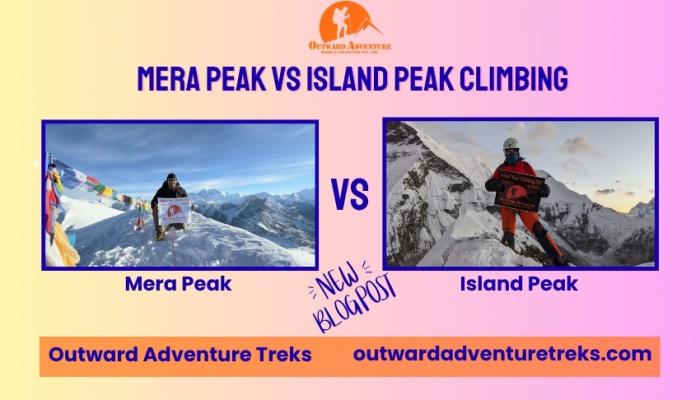
Nepal is home to some of the world's most spectacular mountains and offers countless opportunities for trekking and climbing enthusiasts. Among the most popular trekking peaks in the Himalayas are Mera Peak (6,476m) and Island Peak (6,189m). Both peaks provide an excellent introduction to high-altitude mountaineering while offering breathtaking views of the world's highest mountains. Although they are often compared, each peak offers a unique climbing experience, attracting adventurers from around the globe.
Mera Peak is the highest trekking peak in Nepal and is located in the remote Hinku Valley of the Everest region. Known for its non-technical climbing route, Mera Peak is ideal for trekkers seeking a high-altitude challenge without extensive technical mountaineering skills. The journey to Mera Peak takes climbers through pristine forests, traditional Sherpa villages, and untouched Himalayan landscapes. The summit rewards climbers with one of the most impressive panoramic views in the Himalayas, including five of the world's highest mountains: Everest, Lhotse, Makalu, Cho Oyu, and Kanchenjunga.
Island Peak, locally known as Imja Tse, lies in the heart of the Everest region near the famous Everest Base Camp trail. The peak earned its name because it appears like an island rising from a sea of ice when viewed from surrounding valleys. Unlike Mera Peak, Island Peak involves more technical climbing sections, including glacier travel, fixed rope ascents, and a steep headwall leading to the summit. It is often considered the perfect stepping stone for climbers preparing for higher Himalayan expeditions such as Ama Dablam, Manaslu, or Mount Everest.
Both peaks offer unforgettable Himalayan experiences, but they differ significantly in terms of difficulty and climbing style. Mera Peak focuses more on endurance and acclimatization due to its higher elevation. The climb involves long trekking days and a gradual ascent, making it suitable for physically fit trekkers with limited climbing experience. Island Peak, on the other hand, requires basic mountaineering skills and familiarity with equipment such as crampons, harnesses, ascenders, and ice axes. Climbers must be comfortable navigating glaciers and steep snow slopes.
The trekking routes to both peaks are equally captivating. The Mera Peak route follows a quieter path through the beautiful Hinku Valley, allowing climbers to experience a less crowded side of the Everest region. The trail offers stunning mountain scenery, dense rhododendron forests, and authentic cultural encounters. Island Peak expeditions usually follow the classic Everest Base Camp route, passing through renowned destinations such as Namche Bazaar, Tengboche, Dingboche, and Chhukung. This route combines world-famous trekking experiences with an exciting climbing objective.
One of the major highlights of Mera Peak is its incredible summit panorama. Due to its strategic location and elevation, climbers enjoy a rare opportunity to witness a vast Himalayan skyline stretching across eastern Nepal. Island Peak also provides magnificent views of Lhotse, Nuptse, Ama Dablam, and surrounding glaciers, creating a dramatic alpine environment that many climbers find unforgettable.
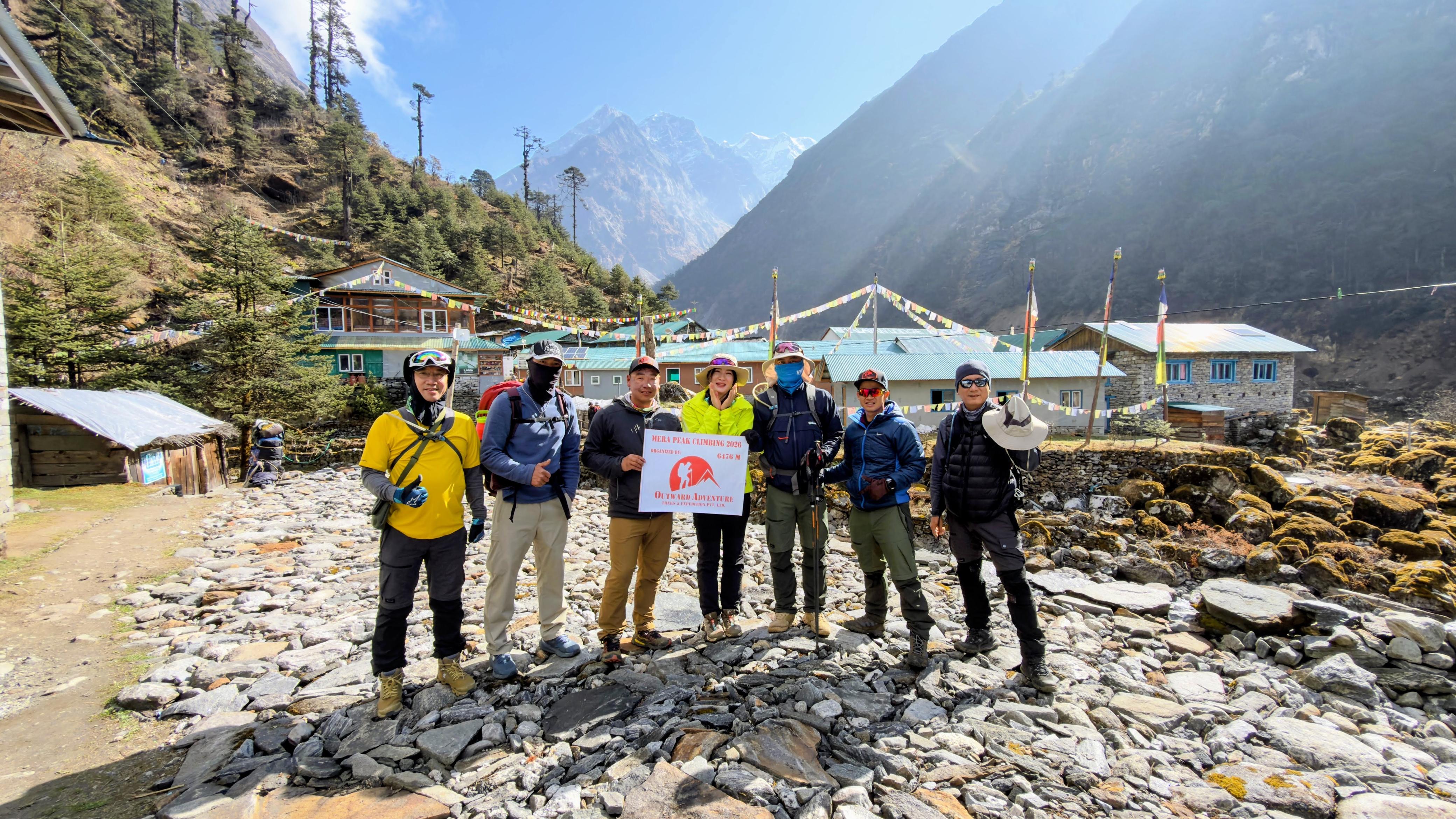
The best seasons for both Mera Peak and Island Peak are spring (March to May) and autumn (September to November). During these months, weather conditions are generally stable, skies remain clear, and temperatures are favorable for climbing. Proper acclimatization, physical preparation, and guidance from experienced climbing professionals are essential for a safe and successful summit attempt.
For adventure seekers looking to take their first step into Himalayan mountaineering, both Mera Peak and Island Peak offer exceptional opportunities. Mera Peak is ideal for those seeking a high-altitude challenge with limited technical difficulty, while Island Peak is better suited for climbers wanting to gain practical mountaineering experience. Whether you choose the panoramic heights of Mera Peak or the technical excitement of Island Peak, both adventures promise lifelong memories, extraordinary mountain scenery, and the thrill of standing atop a Himalayan summit in the heart of Nepal.
The success rate of Mera Peak is generally higher compared to Island Peak, mainly because of its lower technical difficulty. On average, Mera Peak has a success rate of around 75% to 85%, and in good weather conditions with proper acclimatization, it can even go above 90%. This high success rate is largely due to the fact that the climb is mostly non-technical glacier walking, which allows even beginners with good physical fitness and basic mountaineering training to reach the summit.
In contrast, Island Peak has a lower success rate, typically ranging between 60% to 75%, depending on the season and team experience. Although it is slightly lower in altitude than Mera Peak, the climb is more technical and demanding. The summit push includes steep ice walls, fixed rope sections, and crevasse crossings, which require basic alpine climbing skills and confidence in using equipment like crampons and a jumar. Because of these challenges, many climbers are forced to turn back during the final ascent.
The main reason for the difference in success rates is the nature of the terrain and difficulty level. Mera Peak’s route is long and physically exhausting, but it is straightforward and less risky from a technical standpoint. However, climbers may still face altitude-related issues due to its higher elevation of 6,476 meters. Island Peak, on the other hand, is more about technical skill and mental strength on steep and exposed sections, especially near the summit ridge.
Overall, Mera Peak offers a higher probability of reaching the summit and is considered more suitable for beginners aiming to climb above 6,000 meters. Island Peak is slightly more challenging but offers a more technical mountaineering experience. Therefore, climbers looking for a higher success chance usually prefer Mera Peak, while those seeking a more adventurous and technical climb often choose Island Peak.
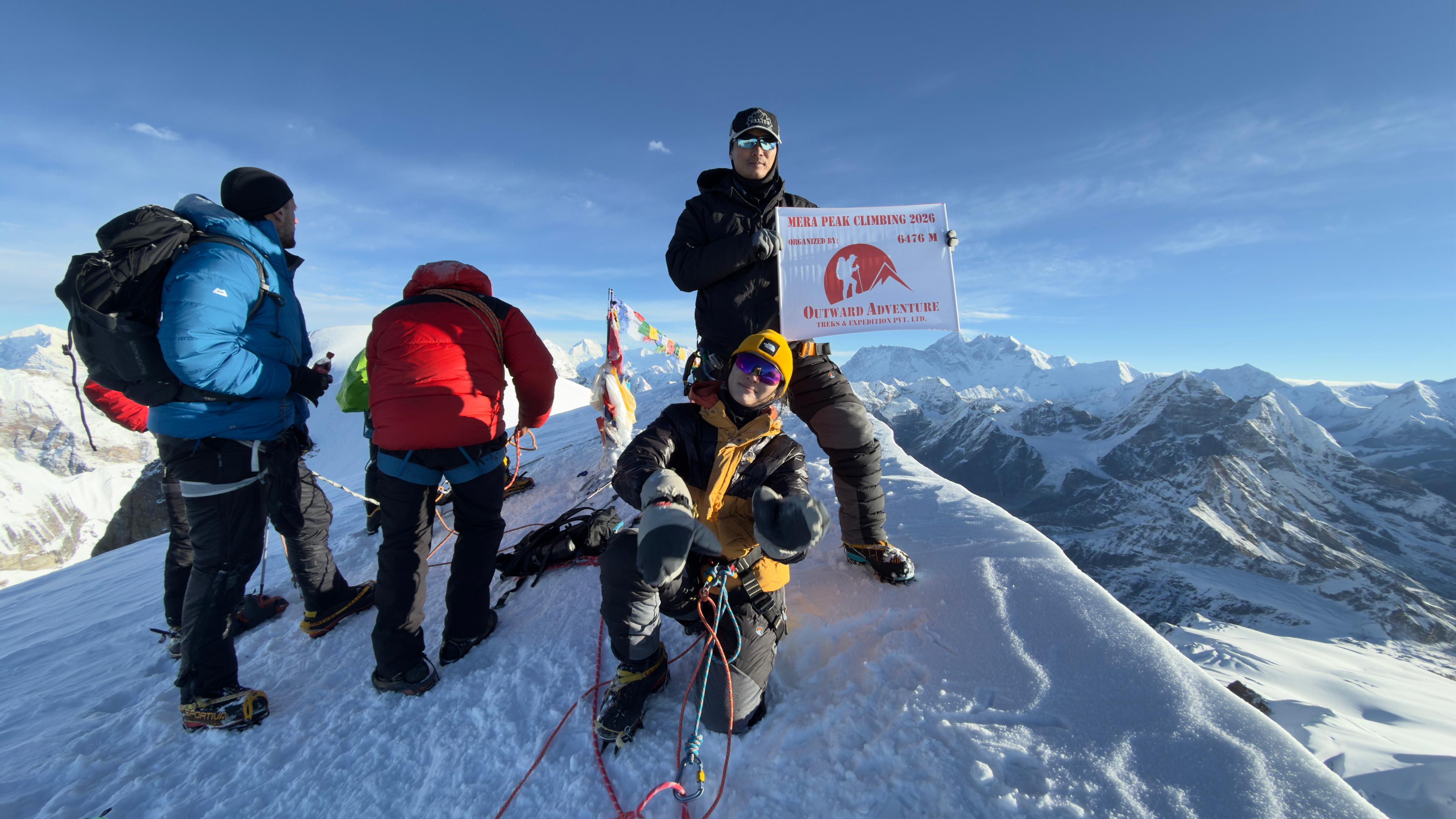
The difficulty level of Mera Peak is generally considered easier in terms of technical climbing, but it becomes challenging due to its extreme altitude and long approach. Climbers mostly walk on glaciers with gentle slopes, using basic mountaineering equipment like crampons and ice axes. There are no major vertical climbs or exposed ridges, which makes it suitable for beginners who are physically fit and have basic trekking experience. However, the summit reaches 6,476 meters, so altitude sickness and exhaustion are the main difficulties rather than technical climbing.
In comparison, Island Peak is more technically difficult, even though it is slightly lower in altitude at 6,189 meters. The climb involves a steep ice wall near the summit, often requiring fixed ropes, jumars, and careful rope-handling skills. Climbers also need to cross crevasses and navigate exposed sections, which adds both physical and mental pressure. The final push to the summit is particularly demanding, especially for those without prior alpine climbing experience.
The main difference in difficulty comes down to “physical endurance vs technical skill.” Mera Peak challenges climbers with long trekking days, high altitude, and cold weather conditions, but the route itself is straightforward and less risky. Island Peak, however, demands more climbing technique, confidence on steep ice, and the ability to handle exposure, making it more suitable for climbers with some mountaineering background.
Mera Peak is considered easier in terms of technical difficulty but harder in terms of altitude and endurance, while Island Peak is more challenging technically and psychologically.
Choosing between Mera Peak and Island Peak mainly depends on your current fitness level, endurance, and any prior mountaineering experience. If you are physically strong, enjoy long trekking days, and can walk 6–8 hours daily for multiple days in a row, then Mera Peak is usually the better choice. It is less technical, meaning you don’t need prior experience with ropes or steep ice climbing. However, it is a very long expedition and reaches a very high altitude, so good stamina and strong acclimatization ability are important.
On the other hand, if you are fit and also interested in learning real climbing skills, Island Peak may be more suitable. It is shorter in duration compared to Mera Peak, but the summit climb is steeper and more technical. You will need to use equipment like crampons, ropes, and a jumar, especially on the ice wall section near the top. This makes it more challenging mentally and physically, especially for beginners who are not used to exposed climbing terrain.
If your fitness level is average but you are determined and can handle long trekking days without major issues, Mera Peak is generally the safer and more achievable option. It gives you a true high-altitude experience without demanding advanced technical skills. However, if you already have some trekking experience above 4,000 meters, are confident with heights, and want a more adventurous climbing experience, Island Peak will give you a stronger mountaineering challenge.
In simple terms, Mera Peak is better for endurance-based climbers and first-time 6,000-meter summiteers, while Island Peak is better for those who want to step into technical alpine climbing.
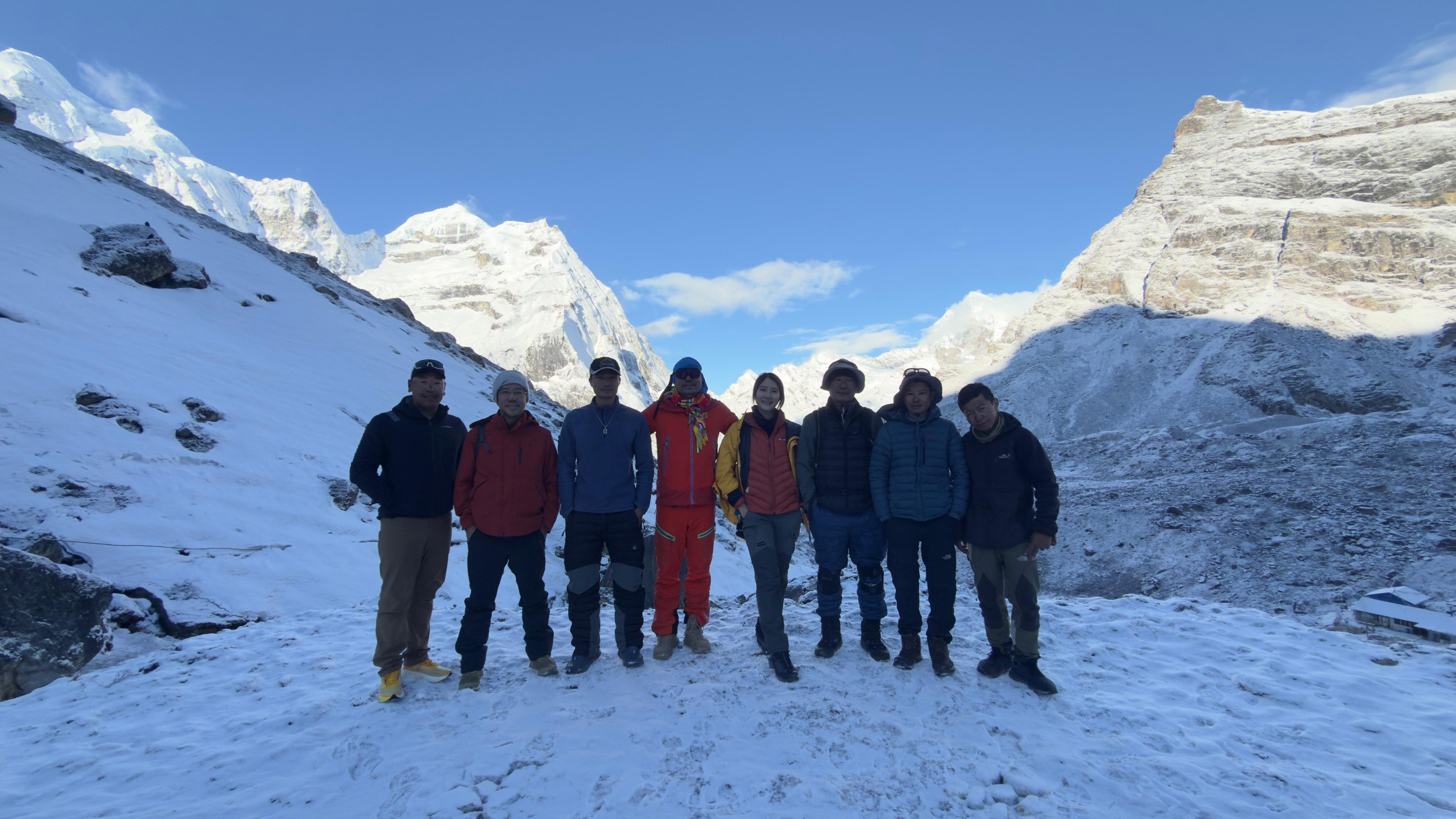
Yes—Mera Peak is generally easier than Island Peak, but the difference becomes clear only when you break down the climb into technical difficulty, altitude challenge, terrain, and required skills.
Mera Peak is widely considered the easiest high-altitude trekking peak in Nepal, especially for beginners with strong fitness. The ascent mainly involves long glacier travel over relatively gentle slopes. Climbers use crampons, ice axes, and ropes mostly for safety rather than for technical progression. There are no steep rock faces or exposed climbing sections, which makes the route more straightforward. However, its biggest challenge is the extreme altitude of 6,476 meters, which significantly reduces oxygen levels and makes each step physically demanding. The long approach trek through the remote Hinku Valley also adds endurance fatigue before reaching the summit phase.
In contrast, Island Peak (Imja Tse) is a more technical climbing peak, even though it is slightly lower at 6,189 meters. The summit route includes a steep ice and rock headwall that requires fixed rope climbing, which demands proper use of harnesses, ascenders, and belay techniques. One of the most challenging and famous sections is the crossing of a metal ladder over a crevasse, which tests climbers’ confidence and balance at high altitude. Compared to Mera Peak, Island Peak requires more hands-on mountaineering skills and comfort with exposed terrain, making it closer to an introductory alpine climbing experience rather than a simple trekking ascent.
When comparing both peaks, Mera Peak is physically more exhausting due to its higher altitude and longer expedition route, while Island Peak is technically more difficult because of its steep summit section and rope work. Weather conditions and acclimatization play a critical role in both climbs, but Island Peak often feels more intense during the final push due to exposure and vertical climbing sections. Mera Peak, on the other hand, feels more gradual but more tiring over time.
Mera Peak is easier for beginners in terms of climbing technique, but Island Peak is better suited for climbers who want to experience real mountaineering skills. Choosing between them depends on whether you want a high-altitude trekking experience (Mera Peak) or a technical climbing introduction (Island Peak).
Mera Peak (6,476 m) stands higher in elevation compared to Island Peak and is considered the highest trekking peak in Nepal. Although it is less technical, the extreme altitude makes it physically demanding. Climbers often face stronger cold, thinner air, and a higher risk of altitude-related challenges such as Acute Mountain Sickness (AMS) due to the greater elevation.
Island Peak (6,189 m) is slightly lower in altitude but is more technical in nature. Even though it is about 287 meters lower than Mera Peak, the climbing difficulty is increased by steep ice walls, glacier crossings, and fixed rope sections. Altitude still plays a major role, but technical effort is more dominant than on Mera Peak.
In terms of altitude impact, both peaks are well above 6,000 meters, meaning oxygen levels are significantly reduced. However, Mera Peak’s higher summit makes acclimatization more critical, especially during the final push. Many climbers feel the effects of thin air more strongly on Mera despite its easier terrain. Mera Peak is higher but less technical, while Island Peak is lower but more challenging in climbing skills. Altitude is the key difficulty factor on Mera Peak, whereas Island Peak combines altitude with technical mountaineering demands.
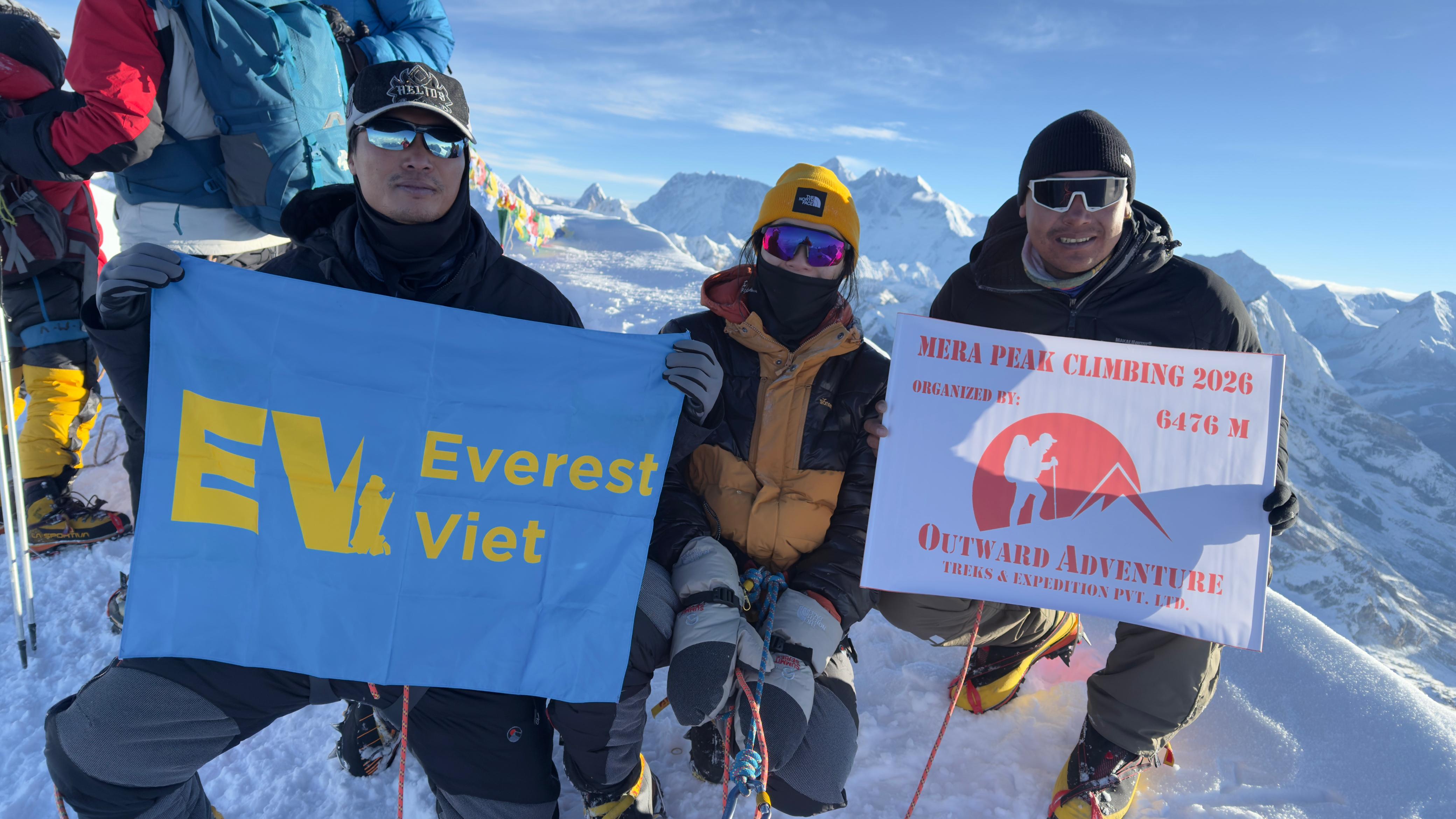
Mera Peak (6,476 m) is generally considered safer in terms of technical climbing risk, but it carries higher altitude-related danger. The route involves fewer technical sections, meaning there is a lower chance of rope failure, falls on steep ice, or complex climbing accidents. However, the major risk comes from extreme altitude, where climbers are more exposed to Acute Mountain Sickness (AMS), High Altitude Pulmonary Edema (HAPE), and High Altitude Cerebral Edema (HACE). Because the summit is higher, exhaustion and oxygen deprivation become serious safety concerns, especially during poor weather conditions.
Island Peak (6,189 m) has comparatively lower altitude risk but higher technical risk. The climb includes steep ice slopes, crevasses, ladder crossings, and fixed rope ascents. These sections increase the chances of slips, falls, and rope-related accidents, especially for inexperienced climbers. Weather changes can also make the glacier approach more dangerous and unpredictable. Even though it is slightly lower than Mera Peak, the technical nature of the climb requires better mountaineering skills and careful rope handling.
In terms of overall safety, Mera Peak is safer technically but riskier medically due to altitude, while Island Peak is safer in altitude but riskier due to climbing difficulty. Proper acclimatization, experienced guides, and good weather planning are essential for both expeditions.
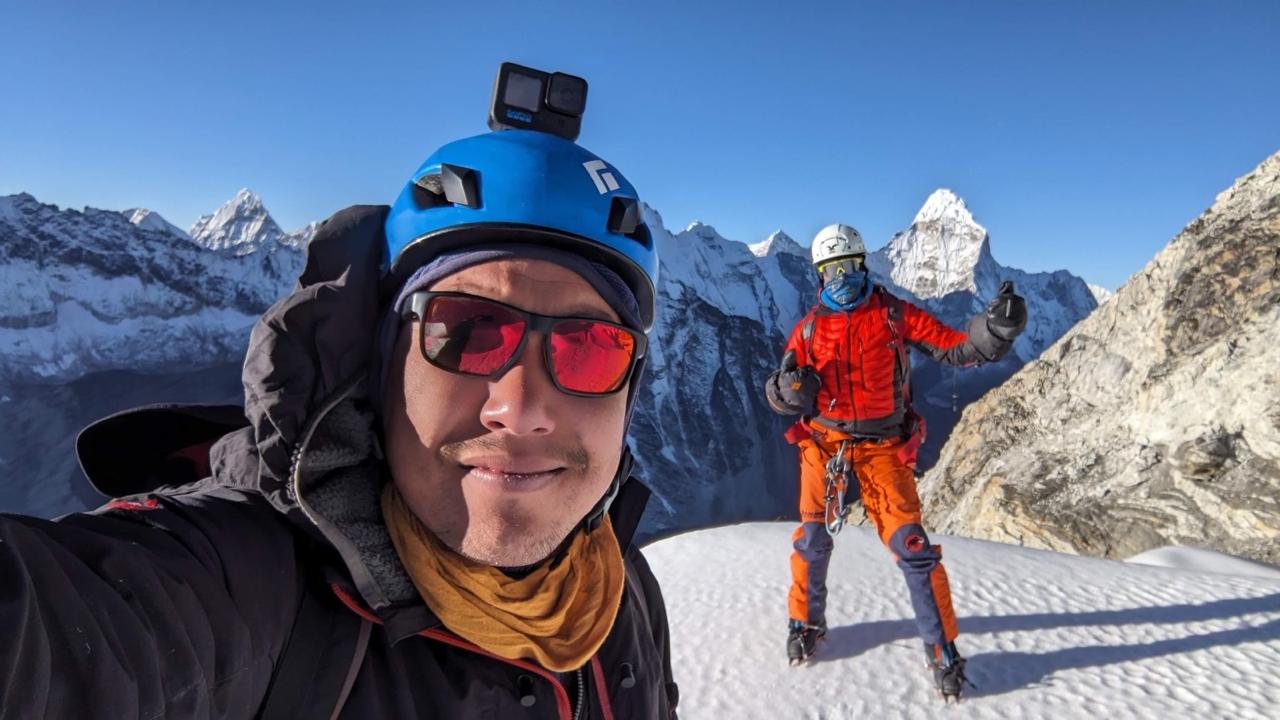
Mera Peak (6,476 m) and Island Peak (6,189 m) are two of the most popular trekking peaks in Nepal, but they offer quite different climbing experiences. Mera Peak is the higher of the two and is mainly known for its extreme altitude challenge rather than technical difficulty. The climb involves long trekking sections and glacier walking, but the route is relatively straightforward. The biggest challenge on Mera Peak is the thin air at high elevation, especially during the final summit push above 6,400 meters, where climbers often feel strong effects of altitude and fatigue. Because of this, Mera Peak is often recommended for trekkers who want to experience high altitude climbing with minimal technical risk and is also commonly used as preparation for higher Himalayan expeditions like Everest.
Island Peak, on the other hand, is slightly lower in altitude but significantly more technical. The climb includes steep ice slopes, glacier crossings, crevasses, and fixed rope sections near the summit ridge. Climbers are required to use basic mountaineering equipment such as crampons, harnesses, and ice axes, making it more suitable for those who want to learn or improve their technical climbing skills. Although the altitude is lower compared to Mera Peak, the technical sections make the ascent more challenging and require better balance, rope handling, and confidence on steep terrain.
In terms of difficulty balance, Mera Peak is physically more demanding due to its higher altitude, while Island Peak is technically more demanding due to its climbing conditions. Mera Peak requires strong stamina, endurance, and proper acclimatization, whereas Island Peak requires more climbing skill and technical preparation. The duration also differs slightly, with Mera Peak usually taking longer because of its remote approach and acclimatization schedule, while Island Peak is comparatively shorter but more intense during the climbing sections.
Overall, both peaks are excellent Himalayan adventures, but they suit different goals. Mera Peak is ideal for climbers who want a high-altitude trekking experience with less technical risk, while Island Peak is better for those who want to gain real mountaineering skills in a more technical environment. The best choice depends on whether you want to challenge your endurance at extreme altitude or develop your technical climbing ability in the Himalayas.
 Jul 26, 2026
The Annapurna Circuit Trek is widely recognized as one of the world's greatest trekking adventures, offering an extraord...
Read More Jul 21, 2026
Standing at 6,476 meters (21,247 ft), Mera Peak is Nepal's highest trekking peak and one of the world's most rewarding h...
Read More Jul 14, 2026
Planning a Himalayan adventure in 2027? Everest Base Camp vs Annapurna Base Camp Trek is one of the most searched compar...
Read More Jul 09, 2026
Planning your 2027 Island Peak and Everest Base Camp Trek is your opportunity to experience two of Nepal's most iconic H...
Read More
Leave a Comment