
Any Questions? Email Us
Talk to an Expert
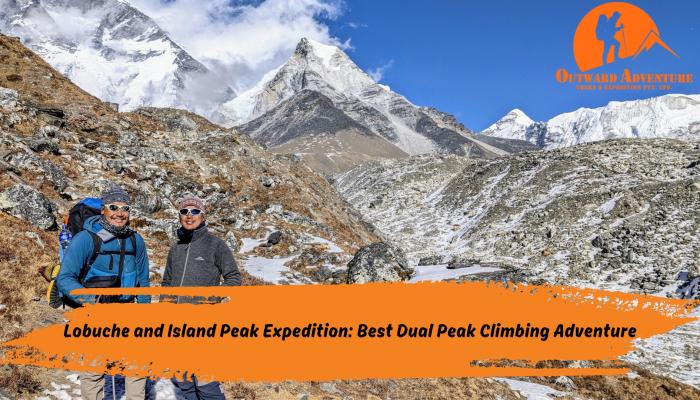
Combined Lobuche and Island Peak Climbing is one of Nepal's most rewarding and challenging alpine adventures, offering experienced trekkers the rare opportunity to summit two iconic Himalayan trekking peaks in a single expedition. Located in the heart of the Everest region, this extraordinary climbing journey combines the technical challenge of Lobuche East Peak (6,119 m) with the breathtaking beauty of Island Peak (Imja Tse, 6,189 m). Designed for adventure seekers looking to elevate their mountaineering skills, this expedition delivers an unforgettable blend of high-altitude trekking, glacier travel, ice climbing, and panoramic Himalayan summits.
The journey begins with the world-famous Everest Base Camp trekking route, passing through vibrant Sherpa villages, ancient Buddhist monasteries, alpine forests, and dramatic glacial valleys. Along the way, climbers acclimatize naturally while experiencing the rich culture of the Khumbu region. The trail offers spectacular views of legendary Himalayan giants, including Mount Everest, Lhotse, Nuptse, Ama Dablam, Makalu, Cho Oyu, and countless snow-covered peaks, making every day of the expedition a remarkable visual experience.
Climbing Lobuche East Peak first serves as excellent preparation for the more technical ascent of Island Peak. Lobuche requires climbers to negotiate steep snow slopes, mixed rock terrain, fixed ropes, and glacier sections, helping build confidence and technical ability before tackling Island Peak's famous glacier, exposed ridges, and summit headwall. This carefully planned sequence significantly improves acclimatization, enhances climbing efficiency, and increases the likelihood of successfully reaching both summits.
The Combined Lobuche and Island Peak Climbing expedition is ideal for trekkers who have completed high-altitude trekking adventures such as the Everest Base Camp Trek or similar Himalayan journeys and are ready to transition into technical mountaineering. Previous climbing experience is beneficial but not always mandatory, as professional climbing guides provide comprehensive training on the use of crampons, ice axes, climbing harnesses, ascenders, fixed ropes, and other essential mountaineering equipment before each summit attempt.
One of the greatest advantages of combining these two famous trekking peaks into a single itinerary is the exceptional value and experience gained during one Himalayan expedition. Instead of returning to Nepal for separate climbing trips, adventurers can maximize their time by summiting two internationally recognized peaks while exploring some of the most spectacular landscapes in the Everest region. This combination also provides extensive exposure to glacier travel, high camps, alpine climbing techniques, and extreme-altitude expedition logistics.
Throughout the expedition, climbers are rewarded with constantly changing landscapes, from lush rhododendron forests and traditional mountain settlements to rugged moraines, massive glaciers, frozen lakes, and breathtaking alpine terrain. Every section of the journey presents new photographic opportunities and incredible Himalayan scenery that few adventure destinations on Earth can match.
Reaching the summits of Lobuche East Peak and Island Peak is more than a physical achievement—it is a testament to determination, endurance, teamwork, and careful preparation. Standing atop both peaks offers unforgettable 360-degree panoramic views of the Everest massif, including Everest, Lhotse, Nuptse, Makalu, Baruntse, Ama Dablam, and numerous surrounding Himalayan giants, creating memories that last a lifetime.
For climbers seeking the ultimate Himalayan challenge, the Combined Lobuche and Island Peak Climbing expedition represents the perfect balance of adventure, technical progression, cultural immersion, and high-altitude achievement. Whether your goal is to prepare for future 7,000- or 8,000-meter expeditions or simply experience two of Nepal's finest trekking peaks, this adventure provides an exceptional mountaineering experience in one of the world's most spectacular alpine environments.
With Outward Adventure Treks, every aspect of your Combined Lobuche and Island Peak Climbing expedition is managed by experienced local guides, certified climbing leaders, and a dedicated support team committed to safety, personalized service, and summit success. From meticulous itinerary planning and acclimatization strategies to high-quality logistics and expert technical guidance, Outward Adventure Treks ensures you enjoy a safe, rewarding, and unforgettable Himalayan climbing experience while maximizing your chances of standing on the summits of both Lobuche East and Island Peak.
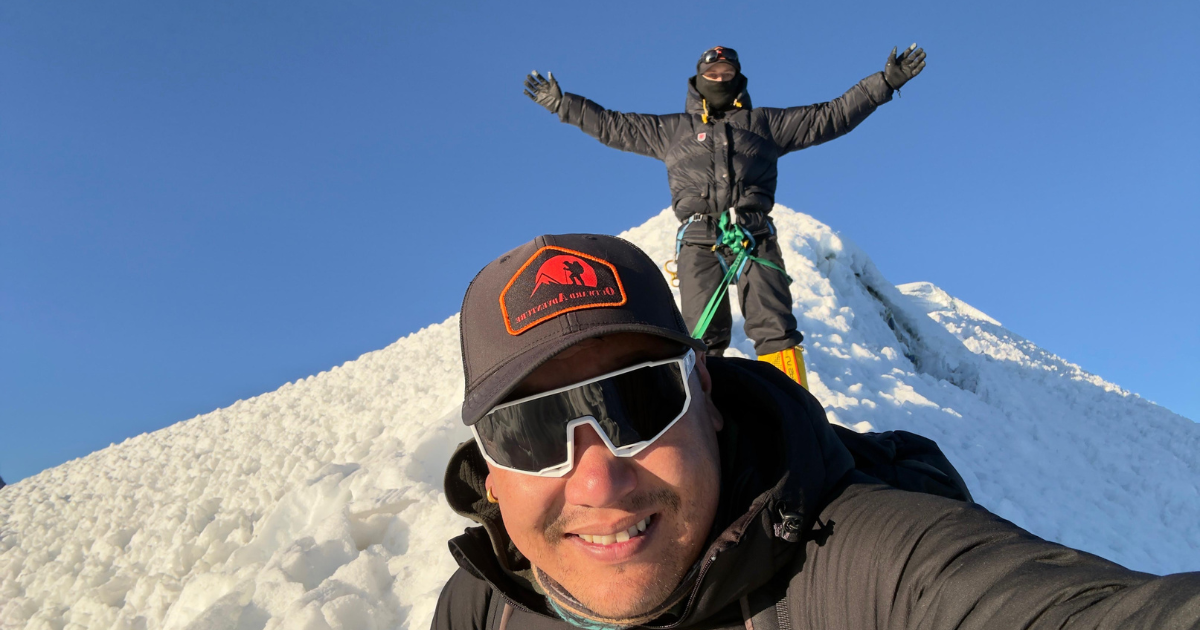
The Combined Lobuche and Island Peak Climbing expedition is one of the most exciting high-altitude adventures in the Himalayas, combining two iconic trekking peaks into a single, rewarding journey. Designed for climbers seeking both technical progression and breathtaking mountain scenery, this expedition offers an exceptional blend of Himalayan trekking, glacier travel, alpine climbing, and Sherpa cultural experiences. From following the legendary Everest Base Camp trail to standing on the summits of Lobuche East (6,119 m) and Island Peak (6,189 m), every stage of the adventure delivers unforgettable experiences. Whether you are preparing for future Himalayan expeditions or aiming to achieve two remarkable summits in one trip, the Combined Lobuche and Island Peak Climbing package provides outstanding value, excellent acclimatization, and an extraordinary mountaineering experience in the heart of Nepal's Everest region.
1. Summit Two Iconic Himalayan Peaks in One Expedition
One of the greatest highlights of the Combined Lobuche and Island Peak Climbing adventure is the rare opportunity to conquer two legendary trekking peaks above 6,000 meters during a single expedition. Successfully reaching the summits of Lobuche Peak (6,119 m) and Island Peak (6,189 m) is a remarkable achievement that demonstrates both physical endurance and growing mountaineering skills. Unlike a single-peak climb, this expedition offers twice the challenge, twice the experience, and twice the sense of accomplishment, making it one of Nepal's most rewarding alpine adventures.
2. Experience the Best of the Everest Region
The expedition follows the world-famous Everest trekking route through the heart of the Khumbu Valley. Along the journey, climbers pass through picturesque Sherpa villages, dense rhododendron forests, alpine meadows, glacial valleys, and rugged mountain landscapes.
Highlights along the trekking route include:
Every day reveals spectacular Himalayan scenery that makes the journey as rewarding as the summits themselves.
3. Spectacular 360-Degree Himalayan Mountain Views
Few climbing adventures provide such extensive panoramic views. Throughout the expedition, climbers enjoy breathtaking vistas of some of the highest mountains on Earth.
Major visible peaks include:
The sunrise and sunset over these giants create unforgettable photographic opportunities.
4. Progressive Technical Climbing Experience
This expedition is designed to gradually develop mountaineering skills.
Climbers first attempt Lobuche Peak, where they learn:
These valuable skills prepare climbers for the more technical ascent of Island Peak, making the overall expedition safer and more enjoyable.
5. Ideal High-Altitude Acclimatization
One of the biggest advantages of combining both peaks is the carefully planned acclimatization schedule.
The itinerary allows climbers to:
Proper acclimatization is one of the most important factors for safe and successful Himalayan climbing.
6. Challenging Glacier and Ice Climbing Adventure
Unlike ordinary trekking routes, this expedition introduces climbers to genuine alpine terrain.
During the climb, participants experience:
These features provide authentic Himalayan mountaineering without requiring advanced expedition-level experience.
7. Thrilling Summit Pushes Before Sunrise
Both summit days begin long before dawn.Climbers ascend beneath a sky filled with stars, wearing headlamps while navigating icy slopes. As daylight breaks, the Himalayan giants slowly emerge from the darkness, creating one of the most magical moments of the expedition.Watching the first rays of sunlight illuminate Everest, Lhotse, Nuptse, and Ama Dablam from above 6,000 meters is an unforgettable reward for the early start and physical effort.
8. Rich Sherpa Culture and Himalayan Hospitality
The Everest region is not only famous for its mountains but also for its vibrant Sherpa culture.
Throughout the journey, climbers experience:
These cultural encounters add depth and meaning to the expedition beyond the climbing itself.
9. Walk Through the Legendary Khumbu Glacier
The expedition includes close encounters with one of the world's most famous glaciers.
Climbers trek beside sections of the massive Khumbu Glacier, witnessing:
Experiencing this iconic glacier offers a fascinating glimpse into the dynamic environment of the Everest region.
10. Build Skills for Future Himalayan Expeditions
Combined Lobuche and Island Peak Climbing is considered one of the best preparation climbs for more demanding Himalayan objectives.
After completing this expedition, climbers gain valuable experience in:
These skills provide an excellent foundation for future ascents of higher peaks such as Ama Dablam, Baruntse, Manaslu, or even Mount Everest.
11. Outstanding Photography Opportunities
From beginning to end, the expedition offers countless opportunities to capture breathtaking images.
Photographers can document:
Every day presents dramatic scenery worthy of professional travel photography.
12. A True Test of Physical and Mental Strength
Beyond reaching two summits, this expedition challenges climbers to push their limits.
Participants develop:
Completing both Lobuche Peak and Island Peak is a significant personal milestone that leaves climbers with lasting memories, strengthened skills, and the confidence to pursue even greater mountaineering ambitions.
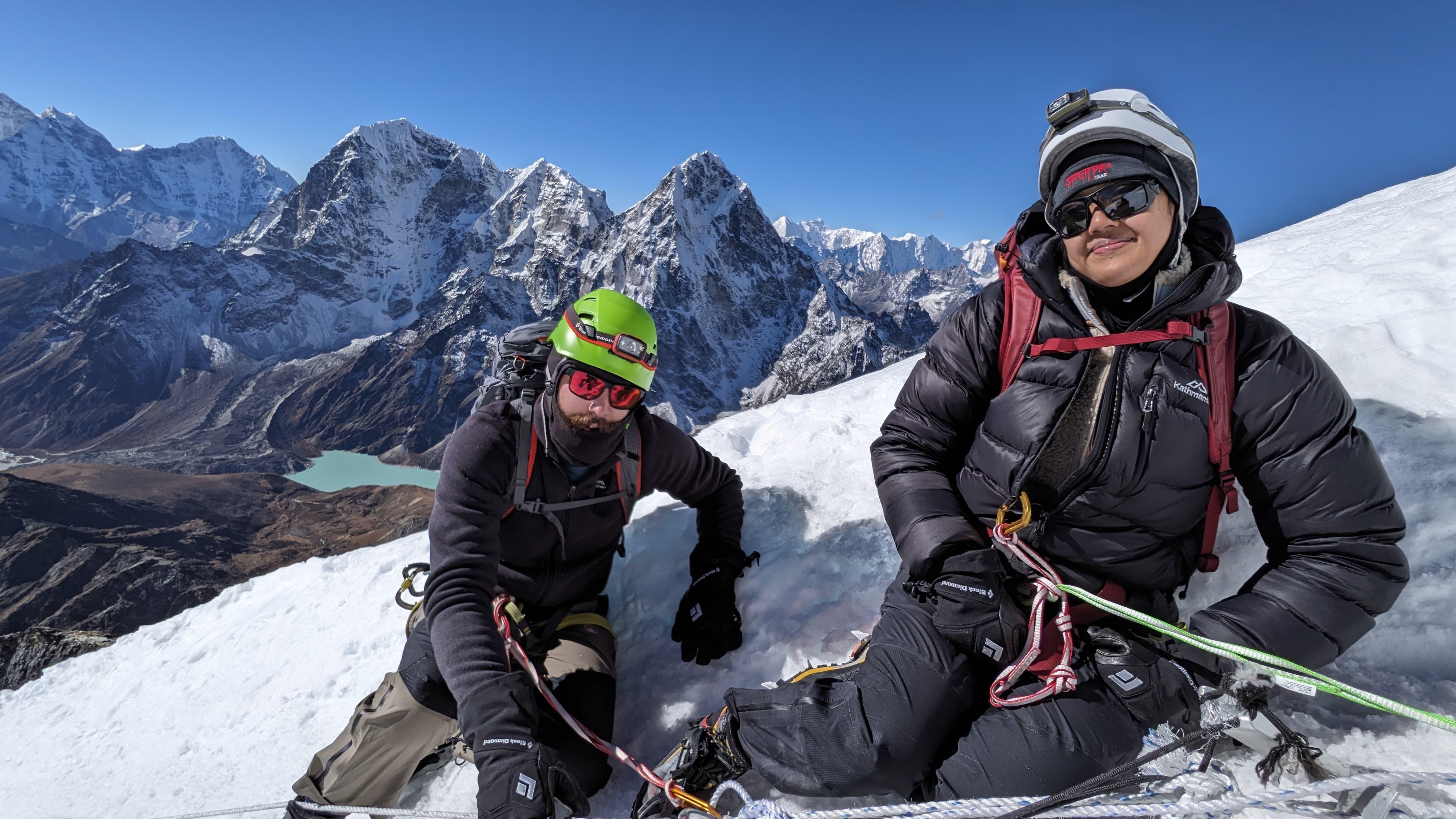
Choosing the right expedition operator is one of the most important decisions for a successful Himalayan climbing adventure. Outward Adventure Treks is dedicated to delivering safe, professionally organized, and memorable peak climbing experiences in Nepal. With experienced guides, carefully planned itineraries, and a strong commitment to client satisfaction, the company ensures every climber is well-prepared to achieve both summits with confidence.
1. Experienced Local Climbing Guides
Outward Adventure Treks is led by highly experienced Nepali climbing guides who possess extensive knowledge of the Everest region. Their expertise in high-altitude mountaineering, glacier travel, fixed-rope climbing, and emergency response provides climbers with the confidence and support needed throughout the expedition. They continuously monitor weather conditions, route safety, and each climber's physical condition to maximize summit success.
2. Carefully Designed Itinerary for Better Acclimatization
Success at high altitude depends largely on proper acclimatization. Outward Adventure Treks follows a well-planned itinerary that includes gradual altitude gain, acclimatization days, and sufficient rest before each summit attempt. This approach helps reduce the risk of altitude sickness while improving endurance and increasing the likelihood of successfully climbing both Lobuche Peak and Island Peak.
3. High Safety Standards
Safety is the highest priority on every expedition. The team follows internationally recognized mountain safety practices, including: Thorough pre-climb briefings
Every climbing decision is made with the safety and well-being of clients in mind.
4. Professional Climbing Equipment Support
Climbers receive guidance on selecting and using essential mountaineering equipment. Before summit day, guides provide practical training in:
This hands-on instruction helps build confidence, especially for climbers attempting their first technical Himalayan peaks.
5. Excellent Summit Success Rate
Thanks to experienced leadership, proper acclimatization, personalized support, and careful expedition planning, Outward Adventure Treks maintains an impressive summit success rate. The guides adapt the climbing schedule to weather conditions and individual performance, helping climbers safely achieve both summits whenever conditions allow.
6. Small Group Experience with Personalized Attention
Rather than managing large commercial groups, Outward Adventure Treks focuses on providing personalized service. Smaller group sizes allow guides to closely monitor each participant, offer individual coaching, and respond quickly to any challenges during the climb. This creates a safer, more enjoyable, and team-oriented expedition.
7. Deep Knowledge of the Everest Region
Having operated extensively in the Khumbu region, the team possesses exceptional local knowledge of trekking trails, climbing routes, weather patterns, lodges, and mountain conditions. This experience enables efficient logistics and informed decision-making throughout the expedition.
8. Quality Logistics and Comfortable Expedition Support
From airport transfers and domestic flights to accommodation, meals, permits, and climbing logistics, every aspect of the expedition is professionally managed. Climbers can focus on enjoying the journey while the experienced team handles the operational details.
9. Commitment to Responsible and Sustainable Tourism
Outward Adventure Treks promotes environmentally responsible travel by respecting local communities, supporting the mountain economy, minimizing environmental impact, and encouraging responsible waste management. The company values sustainable tourism that preserves Nepal's natural beauty for future generations.
10. Outstanding Customer Service
From your first inquiry until your return home, the Outward Adventure Treks team provides responsive communication, honest advice, and dedicated support. Whether you need help choosing equipment, preparing for high altitude, or customizing your itinerary, the team is committed to making your climbing experience smooth and enjoyable.
11. Perfect Preparation for Future Himalayan Expeditions
Combined Lobuche and Island Peak Climbing is an excellent stepping stone toward more advanced Himalayan objectives. With expert instruction from Outward Adventure Treks, climbers develop essential mountaineering skills, including glacier travel, rope techniques, ice climbing, and high-altitude expedition management. These experiences provide a strong foundation for future climbs such as Ama Dablam, Baruntse, Manaslu, or even Mount Everest.
12. A Trusted Partner for Himalayan Adventures
Outward Adventure Treks has earned the trust of climbers from around the world by delivering professionally organized expeditions with transparency, safety, and exceptional service. The company's passion for Nepal's mountains, commitment to excellence, and client-focused approach make it a reliable choice for those seeking a rewarding and successful dual-peak adventure.
A successful Combined Lobuche and Island Peak Climbing expedition requires more than physical fitness—it demands expert planning, experienced leadership, reliable logistics, and unwavering attention to safety. Outward Adventure Treks brings all of these elements together, offering a world-class climbing experience in the heart of the Everest region. Whether you are aiming to complete your first technical Himalayan peaks or preparing for future high-altitude expeditions, Outward Adventure Treks provides the expertise, support, and confidence needed to make your adventure both safe and unforgettable.
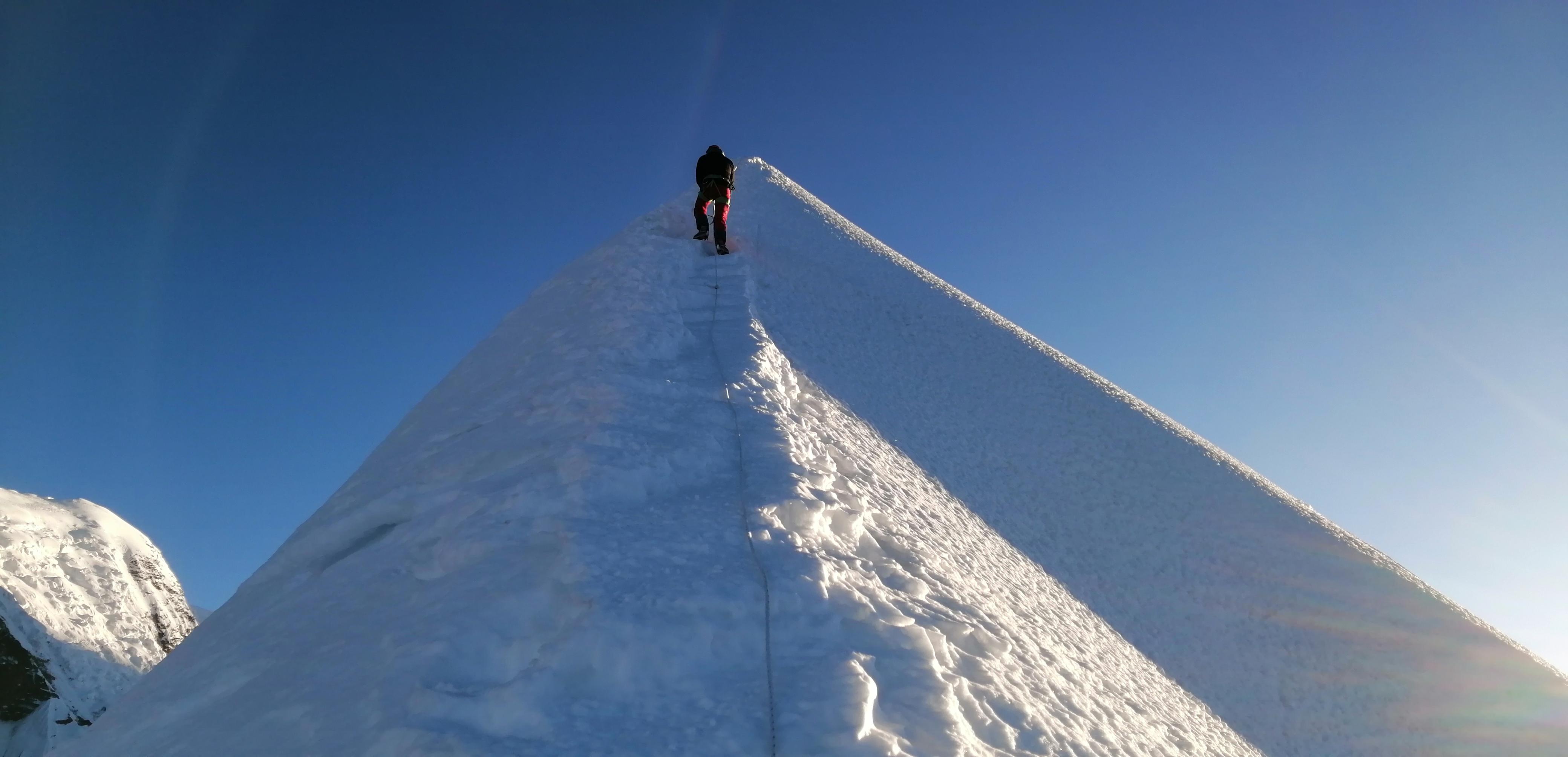
Combined Lobuche and Island Peak Climbing is a challenging yet highly rewarding Himalayan adventure that blends high-altitude trekking, technical mountaineering, glacier travel, and two spectacular summit attempts. From the moment you arrive in the Everest region until you stand atop both 6,000-meter peaks, every stage of the expedition offers new experiences, breathtaking landscapes, and opportunities to develop your climbing skills. Here is what you can expect throughout this unforgettable journey.
1. A Scenic Flight to the Gateway of Everest (Lukla Flight)
Your adventure begins with an exciting mountain flight to Lukla, one of the world's most famous high-altitude airports. During the flight, you'll enjoy incredible aerial views of snow-capped Himalayan peaks, deep valleys, and winding rivers before landing in the heart of the Khumbu region. This marks the beginning of your journey into one of the world's most iconic mountain landscapes.
2. Trek Through the Legendary Everest Region
Before reaching the climbing routes, you'll trek along the classic Everest trail through beautiful Sherpa villages and stunning alpine scenery. The trail passes through vibrant settlements such as Namche Bazaar, Tengboche, Dingboche, Lobuche, and Chhukung.
Along the way, you can expect to experience:
The trekking portion not only offers incredible scenery but also helps your body gradually acclimatize to higher elevations.
3. Gradual Acclimatization for High Altitude
One of the most important aspects of this expedition is proper acclimatization. The itinerary includes carefully planned rest and acclimatization days to allow your body to adapt to thinner air.
During this period, you should expect:
This gradual approach significantly increases both safety and summit success.
4. Professional Climbing Training
Even if this is your first technical Himalayan climb, you'll receive practical training before the summit attempts.
Your climbing guides will teach you how to use essential mountaineering equipment, including:
This training helps build confidence and prepares you for the technical sections of both climbs.
One of the greatest advantages of the Combined Lobuche and Island Peak Climbing itinerary is the strategic decision to climb Lobuche East Peak (6,119 m) before attempting Island Peak (6,189 m). This sequence is carefully designed to improve acclimatization, build technical climbing skills, and increase the overall success rate of reaching both summits. Rather than tackling the more demanding glacier terrain of Island Peak immediately, climbers first gain valuable high-altitude experience on Lobuche East, making the entire expedition safer and more rewarding.
The ascent of Lobuche East introduces climbers to essential mountaineering techniques in a real alpine environment. During the climb, participants learn to use crampons, ice axes, climbing harnesses, fixed ropes, ascenders, and other technical equipment under the guidance of experienced climbing guides. The route includes rocky ridges, snow slopes, exposed sections, and glacier travel, providing practical experience that builds confidence for the challenges ahead.
Climbing Lobuche East first also allows the body to adapt gradually to the thin Himalayan air above 6,000 meters. Spending additional time at high altitude significantly improves acclimatization, reducing the risk of altitude-related illness while increasing physical performance and endurance during the second summit attempt. Better acclimatization often leads to stronger energy levels, improved decision-making, and a more enjoyable climbing experience.
Successfully reaching the summit of Lobuche East gives climbers a valuable psychological boost. Standing on the summit after overcoming technical terrain and high-altitude challenges builds confidence and mental resilience before taking on Island Peak. This experience helps climbers approach the second ascent with greater familiarity, improved climbing efficiency, and a stronger understanding of their own abilities.
For these reasons, climbing Lobuche East first is widely regarded as the most effective strategy for anyone attempting both peaks in one expedition. It maximizes safety, enhances technical skills, improves acclimatization, and significantly increases the chances of successfully summiting both Lobuche East and Island Peak while enjoying one of the finest mountaineering adventures in the Everest region.
During the climb, expect:
Reaching the summit of Lobuche Peak offers an incredible sense of achievement while preparing you for the second summit.
6. Continue Toward Island Peak
After descending from Lobuche Peak, the expedition moves toward Chhukung and Island Peak Base Camp.
This stage allows you to:
By this point, most climbers feel much more comfortable using technical climbing equipment.
7. A More Technical Summit Experience
Island Peak presents additional alpine challenges that require greater focus and determination.
Expect to encounter:
Although physically demanding, the climb is extremely rewarding and suitable for well-prepared trekkers with determination and guidance from experienced climbing professionals.
8. Long but Rewarding Summit Days
Summit days typically begin well before sunrise.
You should expect:
Standing on either summit after hours of effort is one of the most unforgettable moments of the expedition.
9. Spectacular Himalayan Views
Throughout the journey, you'll enjoy panoramic views of many of the world's highest mountains.
Depending on weather conditions, you may see:
These breathtaking vistas are among the greatest rewards of climbing in the Everest region.
10. Comfortable Tea House Accommodation and Mountain Camps
Most nights are spent in traditional Himalayan tea houses, where you'll enjoy warm meals, comfortable rooms, and opportunities to interact with fellow trekkers and climbers.
During summit attempts, you'll also experience:
This expedition is physically demanding and requires strong determination.
You should expect:
With proper preparation, training, and guidance, these challenges become part of the rewarding adventure.
Lifelong Mountaineering Experience
Beyond reaching two spectacular summits, you'll gain valuable experience in high-altitude climbing, glacier travel, rope techniques, teamwork, and mountain safety. The expedition builds confidence and provides an excellent foundation for future Himalayan climbs, including higher and more technical expeditions.
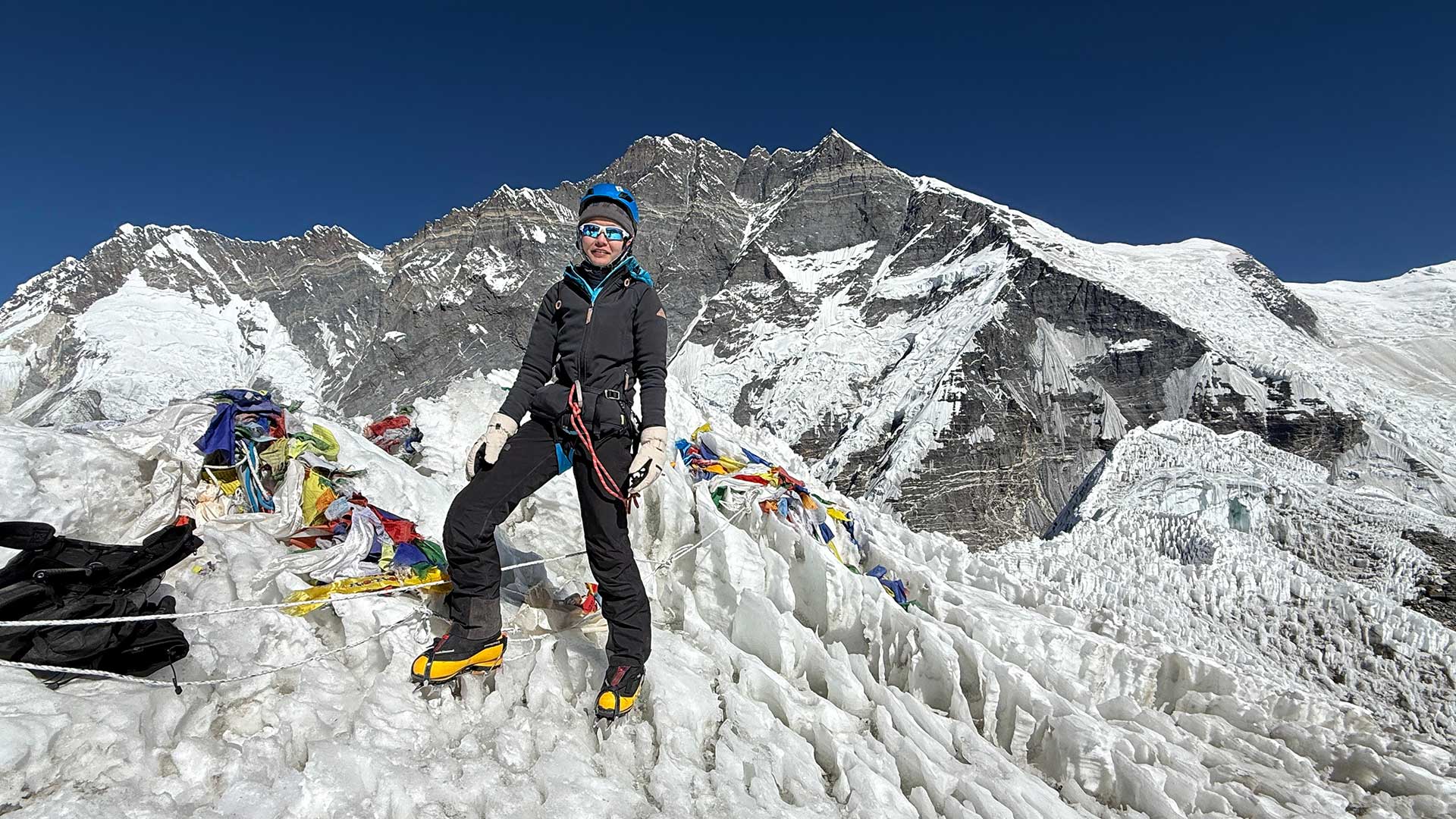
Combined Lobuche and Island Peak Climbing is one of Nepal's most demanding and rewarding trekking peak expeditions. While both peaks are classified as "trekking peaks," climbers should not underestimate the physical, technical, and mental challenges involved. The expedition combines two 6,000-meter summits in a single itinerary, requiring excellent fitness, proper acclimatization, and the ability to adapt to high-altitude mountain conditions.
Understanding these challenges in advance will help you prepare effectively and improve your chances of a safe and successful climb.
1. High Altitude and Thin Oxygen
The greatest challenge during the combined climb is the extreme altitude. Lobuche Peak reaches 6,119 meters (20,075 ft), while Island Peak stands at 6,189 meters (20,305 ft). At these elevations, oxygen levels are approximately 45–50% lower than at sea level.
Climbers may experience:
Proper acclimatization, hydration, and a gradual ascent are essential to reduce the risk of altitude sickness and increase summit success.
2. Two Summit Attempts in One Expedition
Unlike climbing a single trekking peak, this expedition requires enough endurance to complete two separate summit climbs within the same journey.
This means climbers must:
The cumulative effort makes this expedition significantly more demanding than climbing either peak alone.
3. Technical Climbing Sections
Although suitable for well-prepared beginners under professional guidance, both peaks include technical sections that require the use of mountaineering equipment.
You should expect to use:
Island Peak is generally considered more technical due to its glacier crossing, crevasses, steep headwall, and exposed summit ridge.
4. Glacier Travel and Crevasse Crossings
Both climbs involve movement across glaciated terrain, especially on Island Peak.
Challenges include:
Proper instruction from experienced climbing guides is essential for safely negotiating these sections.
5. Long and Exhausting Summit Days
Summit days are physically demanding and often last 10–14 hours, depending on weather, route conditions, and individual pace.
Climbers can expect:
Good endurance and mental resilience are crucial for these long climbing days.
6. Unpredictable Himalayan Weather
Mountain weather can change rapidly in the Everest region.
Possible conditions include:
Weather can affect both safety and summit schedules, so climbers must remain flexible and follow the guidance of their expedition leaders.
7. Steep Rocky and Snow-Covered Terrain
Lobuche Peak includes challenging rocky ridges, loose scree, and steep snow slopes, while Island Peak combines glacier travel with icy climbing sections.
Climbers must navigate:
Good balance and sure-footedness are important throughout the expedition.
8. Physical Endurance Requirements
This expedition demands excellent overall fitness.
Preparation should focus on:
Training consistently for several months before the expedition greatly improves performance and enjoyment.
9. Mental Challenges During Peak Climbing in Nepal
Mental strength is just as important as physical fitness.
Climbers must cope with:
Maintaining a positive mindset and following the guidance of your climbing team are key to overcoming these challenges.
10. Limited Comfort at High Altitude
As the expedition moves higher into the mountains, facilities become increasingly basic.
Expect:
These conditions are part of the authentic Himalayan mountaineering experience.
11. Technical Equipment Management
Using climbing gear correctly is essential for safety and efficiency.
Climbers need to become comfortable with:
Fortunately, professional climbing guides provide training before each summit.
12. The Reward Outweighs the Challenge
Despite its demanding nature, the Combined Lobuche and Island Peak Climbing expedition offers extraordinary rewards. Every challenge is balanced by breathtaking Himalayan scenery, personal achievement, technical skill development, and the unforgettable experience of standing on two iconic Himalayan summits. For many climbers, this expedition serves as the perfect preparation for future objectives such as Ama Dablam, Baruntse, Manaslu, or even Mount Everest.
The challenges of this expedition become much more manageable with the right support. Outward Adventure Treks minimizes risks through carefully planned acclimatization, experienced climbing guides, technical training, quality logistics, and strict safety standards. Their personalized approach helps climbers build confidence, adapt to high altitude, and maximize their chances of successfully summiting both Lobuche Peak and Island Peak. With thorough preparation, determination, and the professional support of Outward Adventure Treks, the difficulties of this dual-peak expedition become stepping stones toward one of the most memorable mountaineering achievements in the Himalayas.
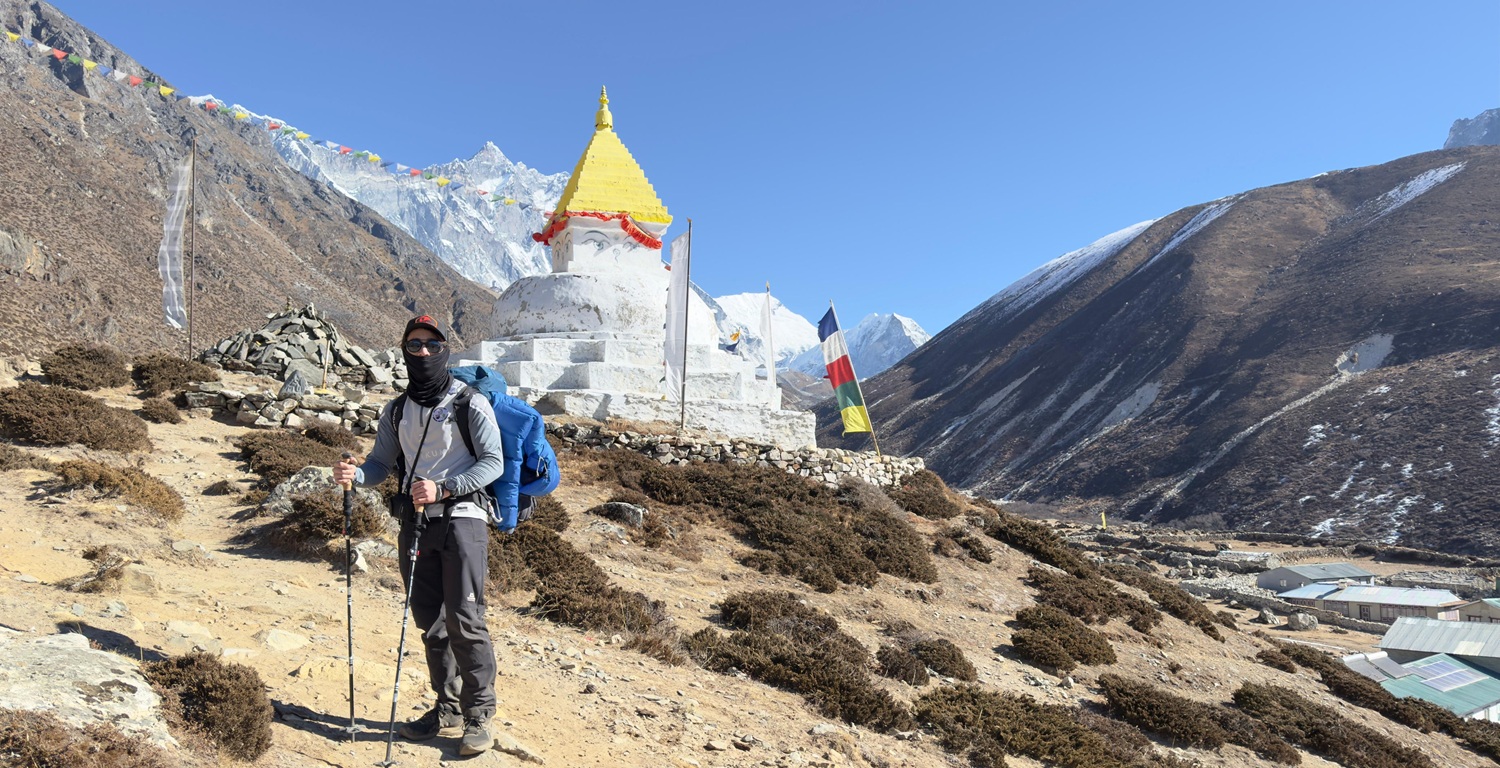
Combined Lobuche and Island Peak Climbing –FAQs
Combined Lobuche and Island Peak Climbing is an exciting Himalayan expedition that combines two of Nepal's most popular trekking peaks—Lobuche Peak (6,119 m) and Island Peak (6,189 m)—into one adventure. The journey includes trekking through the Everest region, technical climbing, glacier travel, and high-altitude mountaineering. It is an excellent choice for trekkers who want to gain alpine climbing experience while summiting two iconic Himalayan peaks in a single expedition.
Combined Lobuche and Island Peak Climbing is considered moderately difficult to challenging. Climbers should have excellent physical fitness, strong endurance, and the determination to trek and climb at high altitude. The expedition involves steep ascents, glacier crossings, fixed-rope climbing, and long summit days. With proper acclimatization, preparation, and professional guidance, many fit trekkers successfully complete both climbs.
Previous mountaineering experience is not mandatory, but it is certainly an advantage. Climbers receive pre-climb training on rope techniques, glacier travel, and the use of technical climbing methods before the summit attempts. Individuals with good trekking experience, strong fitness, and a willingness to learn can successfully participate in this expedition under the supervision of experienced climbing guides.
Most professionally designed itineraries climb Lobuche Peak first, followed by Island Peak. This sequence provides better acclimatization, allows climbers to gain confidence using technical climbing techniques, and prepares them physically and mentally for the more technical sections encountered on Island Peak. This approach also contributes to a higher overall summit success rate.
The expedition typically lasts 18 to 22 days, depending on the itinerary, acclimatization schedule, and weather conditions. The journey includes trekking through the Everest region, acclimatization hikes, climbing preparation, summit attempts for both peaks, and the return trek to Lukla. A well-paced itinerary is essential for safety and successful high-altitude adaptation.
The best seasons for Combined Lobuche and Island Peak Climbing are spring (March to May) and autumn (September to November). During these months, climbers can expect stable weather, clearer skies, moderate temperatures, and excellent mountain visibility. These favorable conditions provide the safest environment and the highest chances of successfully summiting both peaks.
Yes. Since both summits are above 6,000 meters, altitude sickness is one of the primary challenges of the expedition. Symptoms may include headaches, fatigue, nausea, dizziness, and shortness of breath. Following a gradual acclimatization schedule, staying well-hydrated, maintaining a steady pace, and listening to experienced guides are essential for minimizing the risks associated with high altitude.
The summit success rate depends on several factors, including weather conditions, physical fitness, acclimatization, technical preparation, and decision-making by the climbing team. Climbers who train well in advance, follow the planned itinerary, and climb with experienced guides generally enjoy a high success rate on both Lobuche Peak and Island Peak.
Yes, the expedition can be suitable for adventurous beginners who have excellent physical fitness and prior multi-day trekking experience. While some technical climbing sections are involved, professional guides provide training and support throughout the expedition. However, beginners should be prepared for long days, high altitude, and physically demanding conditions.
Absolutely. This expedition is widely regarded as one of the best peak climbing adventures in Nepal because it combines two world-famous trekking peaks sin a single itinerary. Climbers experience spectacular Himalayan landscapes, authentic Sherpa culture, glacier travel, technical climbing, and the satisfaction of standing on two 6,000-meter summits. It is also excellent preparation for future Himalayan mountaineering objectives, making it a worthwhile investment for anyone passionate about adventure and high-altitude climbing.
Combined Lobuche and Island Peak Climbing is one of the most rewarding and comprehensive trekking peak expeditions in Nepal, offering the unique opportunity to summit two iconic Himalayan peaks above 6,000 meters in a single adventure. Blending the legendary Everest Base Camp trekking route with technical mountaineering, glacier travel, and high-altitude climbing, this expedition is an exceptional choice for trekkers ready to take the next step into Himalayan climbing.
From the vibrant Sherpa villages of the Khumbu Valley to the breathtaking summits of Lobuche Peak (6,119 m) and Island Peak (6,189 m), every stage of the journey is filled with unforgettable experiences. Climbers develop essential mountaineering skills, improve their confidence on snow and ice, and enjoy spectacular panoramic views of Mount Everest, Lhotse, Nuptse, Ama Dablam, Makalu, Cho Oyu, Pumori, and many other Himalayan giants. The carefully planned acclimatization schedule, combined with progressive technical climbing, makes this expedition one of the best preparations for future challenges such as Ama Dablam, Baruntse, Manaslu, or even an Everest Expedition.
Choosing the right expedition company is crucial for both safety and summit success. Outward Adventure Treks delivers professionally organized Combined Lobuche and Island Peak Climbing expeditions with experienced climbing guides, personalized service, carefully designed itineraries, and a strong commitment to safety. Their expertise in the Everest region helps climbers maximize their chances of reaching both summits while enjoying a well-supported and memorable Himalayan adventure.
If you're looking for the best combined peak climbing adventure in Nepal, this expedition offers the perfect balance of adventure, technical challenge, cultural discovery, and breathtaking mountain scenery. Whether your goal is to complete your first technical Himalayan climb, enhance your alpine climbing skills, or prepare for higher Himalayan expeditions, Combined Lobuche and Island Peak Climbing with Outward Adventure Treks is an unforgettable journey that will test your limits, expand your mountaineering experience, and leave you with memories that last a lifetime.
 Jul 14, 2026
Planning a Himalayan adventure in 2027? Everest Base Camp vs Annapurna Base Camp Trek is one of the most searched compar...
Read More Jul 09, 2026
Planning your 2027 Island Peak and Everest Base Camp Trek is your opportunity to experience two of Nepal's most iconic H...
Read More Jul 05, 2026
Nepal is globally recognized as the heart of Himalayan mountaineering, offering the world's most iconic high-altitude ex...
Read More Jun 24, 2026
Lobuche Peak Climbing is one of the most exciting and rewarding trekking peak adventures in Nepal. Located in the heart...
Read More
Leave a Comment