Mera Peak Climbing with Heli Shuttle

Duration14 Days
Activity Trekking and Peak Climbing
Difficulty Level Moderate to Demanding
Max. Altitude 6, 476 m / 21, 247 ft
Group Size 01 to 15
Best Season Spring and Autumn
Meals BLD in Trip and Breakfast in Kathmandu
Accomodation Hotel in Kathmandu, local lodges/teahouses during the trek, and camping during the climb
Trasportation All ground transfers as per the Itinerary (Airport pick up / drop) and Domestic Flight (Kathmandu - Lukla - Kathmandu)

Starting Price

$3780 per person

Group Discount Prices
No. of People Price
Khare to Lukla Heli Back and Plane to Kathmandu US$3780
Khare to Kathmandu by Heli US$7005
Share and spread

Highlights

  • Summit Nepal’s highest trekking peak at 6,476 meters – a true achievement for adventure seekers.
  • Experience a luxury helicopter shuttle back to Kathmandu or Lukla after the climb, saving several trekking days.
  • Enjoy panoramic Himalayan views of Everest, Lhotse, Makalu, Cho Oyu, and Kanchenjunga from the summit.
  • Explore the untouched Hinku Valley and authentic Sherpa villages rich in culture and tradition.
  • Follow a well-acclimatized route designed to maximize safety and summit success.
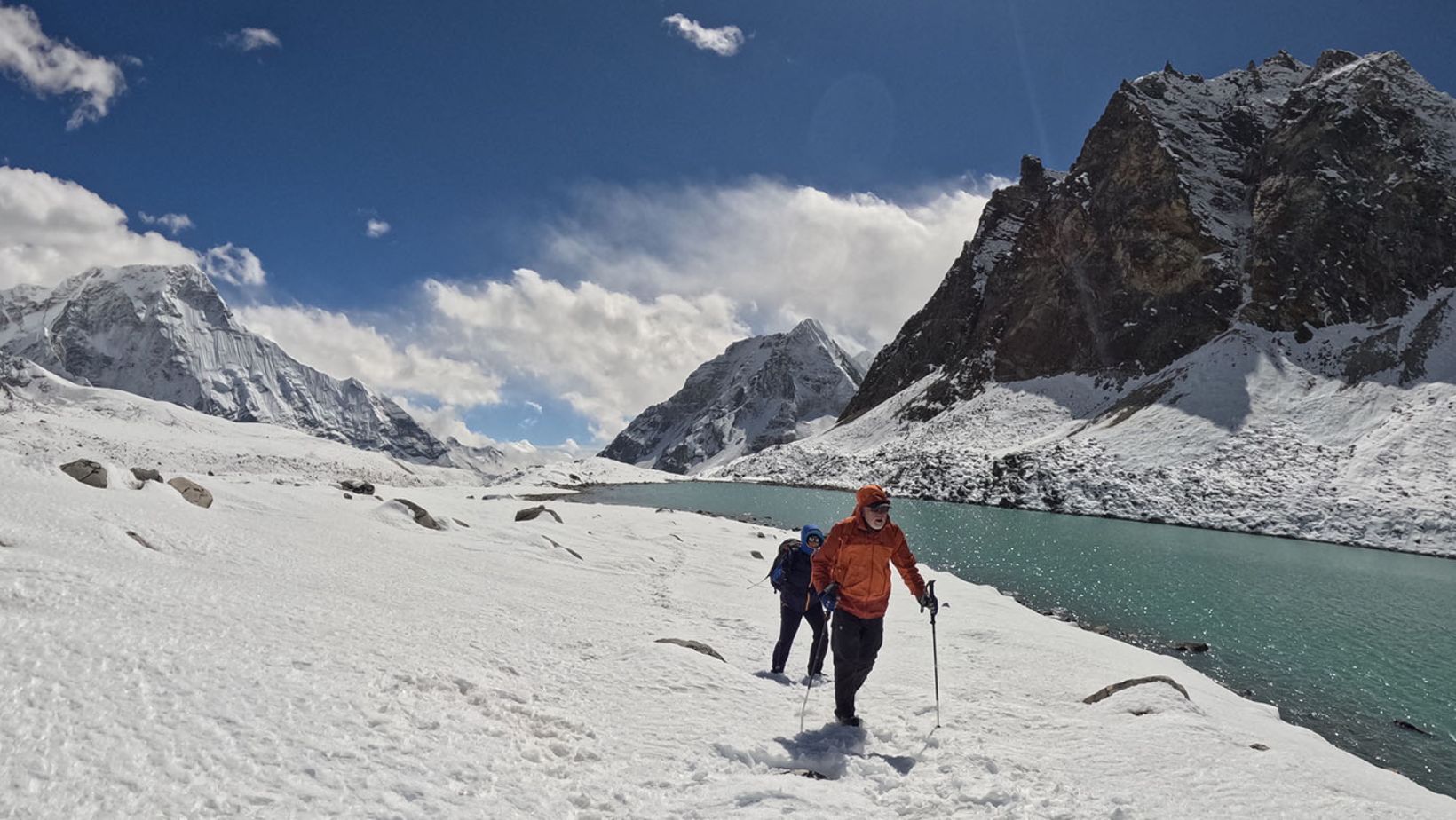
  • Trek through diverse landscapes including rhododendron forests, alpine meadows, and icy glaciers.
  • Perfect opportunity for aspiring climbers aiming for their first Himalayan peak under expert guidance.
  • Spend unforgettable nights at Mera High Camp surrounded by breathtaking mountain scenery.
  • Climb with the professional and caring team of Outward Adventure Treks ensuring safety and satisfaction.
  • A once-in-a-lifetime blend of high adventure, natural beauty, and comfort with a helicopter return experience.

Overview

Mera Peak Climbing with Heli back to Kathmandu is an adventurous journey that involves climbing Mera Peak (6,476 meters), the highest trekking peak in the Mahalangur Himalayas, Nepal, and then returning from Khare to Lukla and further back to Kathmandu via Helicopter.

The additional adventure is the opportunity to soar in the sky in a helicopter directly from Khare to Kathmandu, wondering at the striking views of the atrocious Nepali Himalayas.
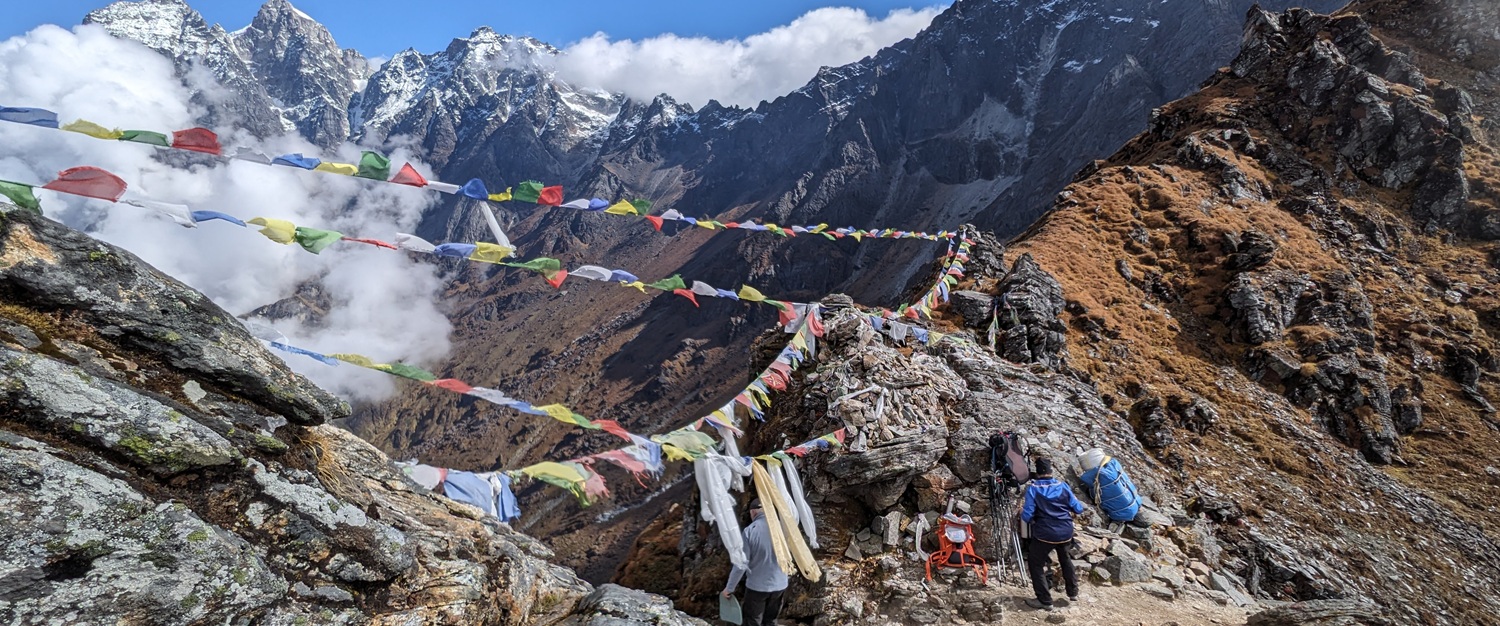
Mera Peak with Heli Sh...

Mera Peak Climbing is a straightforward and non-technical journey, unlike any other climbing peak in Nepal. However, if you have a great sense of adventure and thrill, your determination might be enough for this extreme journey. Nonetheless, a good fitness level is crucial to embark on this implausible journey.

This journey offers us the world’s most attractive scene from the summit, including the outstanding sight of five eight-thousand-meter-high mountains simultaneously - Everest, Lhotse, Makalu, Kanchenjunga, and Cho-Oyu.

Mera Peak Climbing with Heli Shuttle: Climbing Route

The journey to Mera Peak Climbing with Heli Shuttle begins once you land at Kathmandu (Tribhuvan International Airport). After the preparation in Kathmandu the next day, we fly to Lukla and begin our trek.

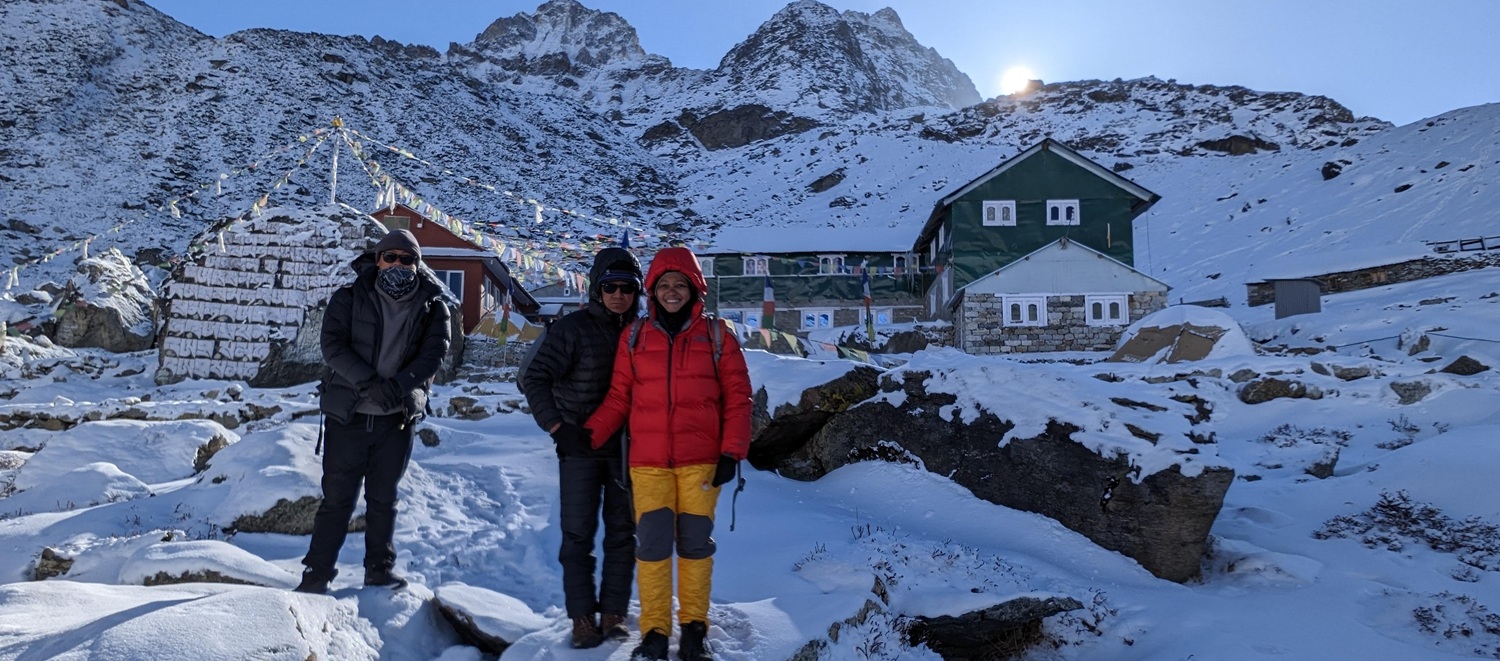
In seven days, we will walk passing the quaint settlements of Chhutang, Thulikharka, Ramailo, Kothe, Thaknak, and Khare, and we will reach Mera Peak High Camp. This combined journey offers you an opportunity to indulge in the beauty of the Khumbu region. Considered as a less traveled journey in the Everest region, offers the taste of the remote and traditional life of the Sherpa people.

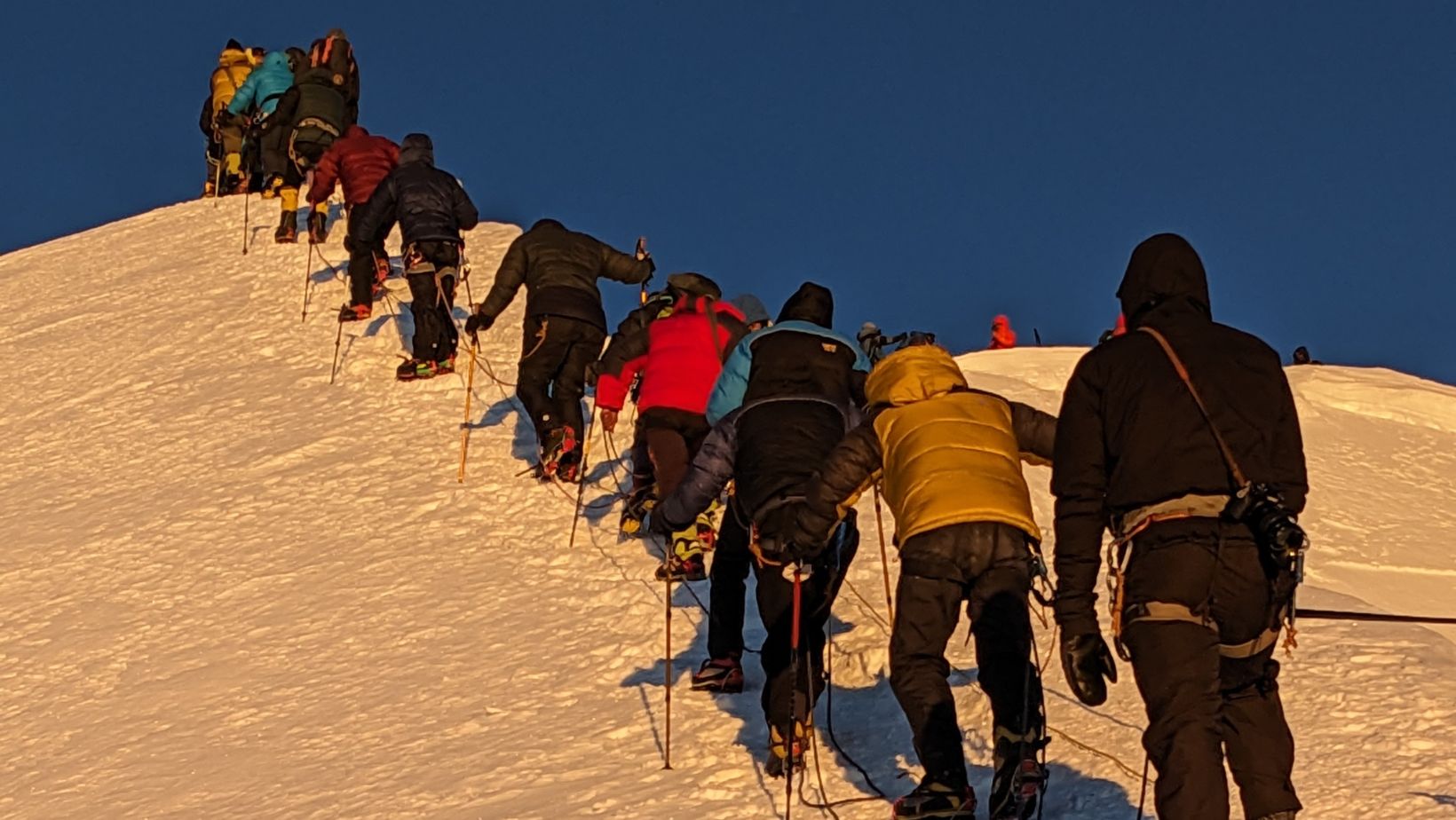
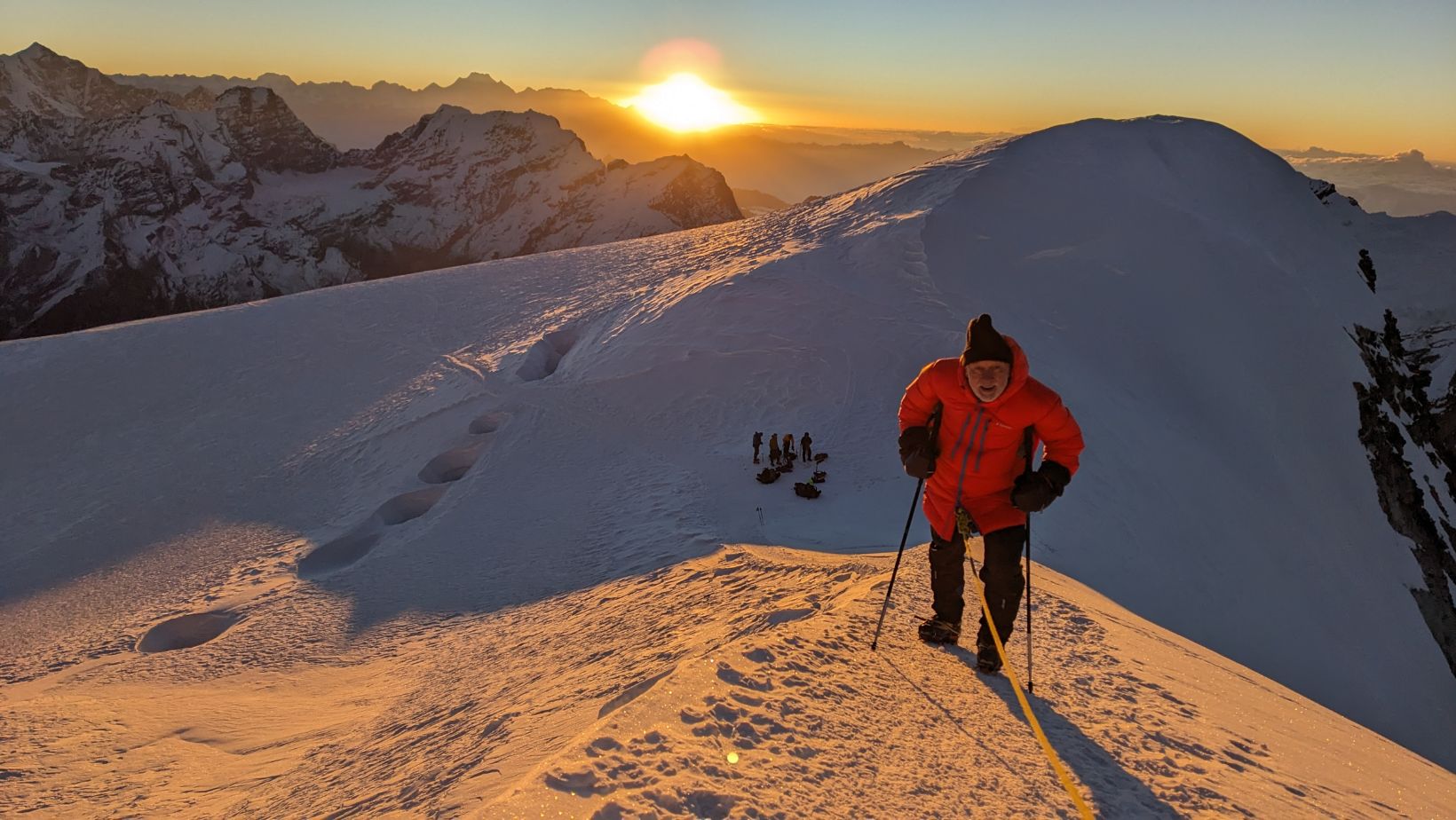
And the highlight of the trip is unquestionably attaining the top of the peak and getting to see the breathtaking snowy landscape all around the Himalayas vistas. After the accomplishment of the journey, we will fly back to Lukla from Khare via Heli and further back to Kathmandu to complete the entire adventure.

Best Time for Mera Peak Climbing

As with most other trekking peaks in Nepal, climbing Mera is possible in three seasons: Spring (March to May), Autumn (September to November), and Winter (December to February). The atmospheric conditions and temperature are almost similar in the Himalaya regions in the respective seasons due to the geographical variations.

Among the three, Autumn and Spring are considered the best seasons for Mera Peak Climbing. Each season consists of almost three months.
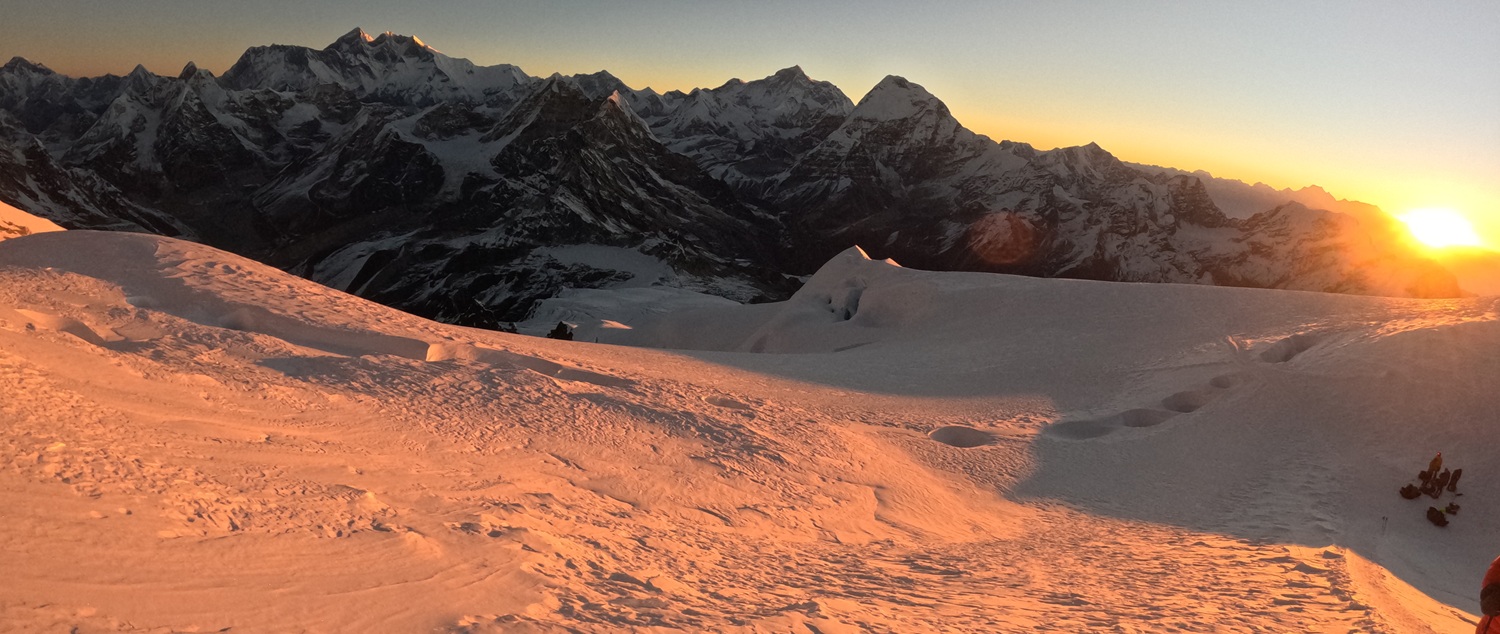
Mera Peak.JPG

Mera Peak Climbing in Autumn

Autumn, the most popular season for Mera Peak Climbing, lasts from September through November and features the busiest trails when the air is crisp and greenery is everywhere. It is the period of the beautiful sky and unobstructed mountain panoramas.

The weather is perfect, the temperature is stable, and everything is gorgeous from every aspect. The autumn flowers bloom in the villages, and it is the festival time in Nepal, and everything is colorful. From mid-September to late November, the weather is steady, clear, and dry. Thus, most of the climbers choose autumn for the Mera Peak journey.  

Mera Peak Climbing in Spring

Spring months – March to May are another good period for climbing Mera Peak. The characteristics of Spring are similar to autumn. The weather is stable and dry, the mountains are full of snow, looking splendid, the hills are covered with rhododendron and other spring flowers, and the routes are full of hikers and climbers. The route to Mera Peak via Makalu Barun National Park are brilliantly decorated with a variety of bright flowers and vegetation.
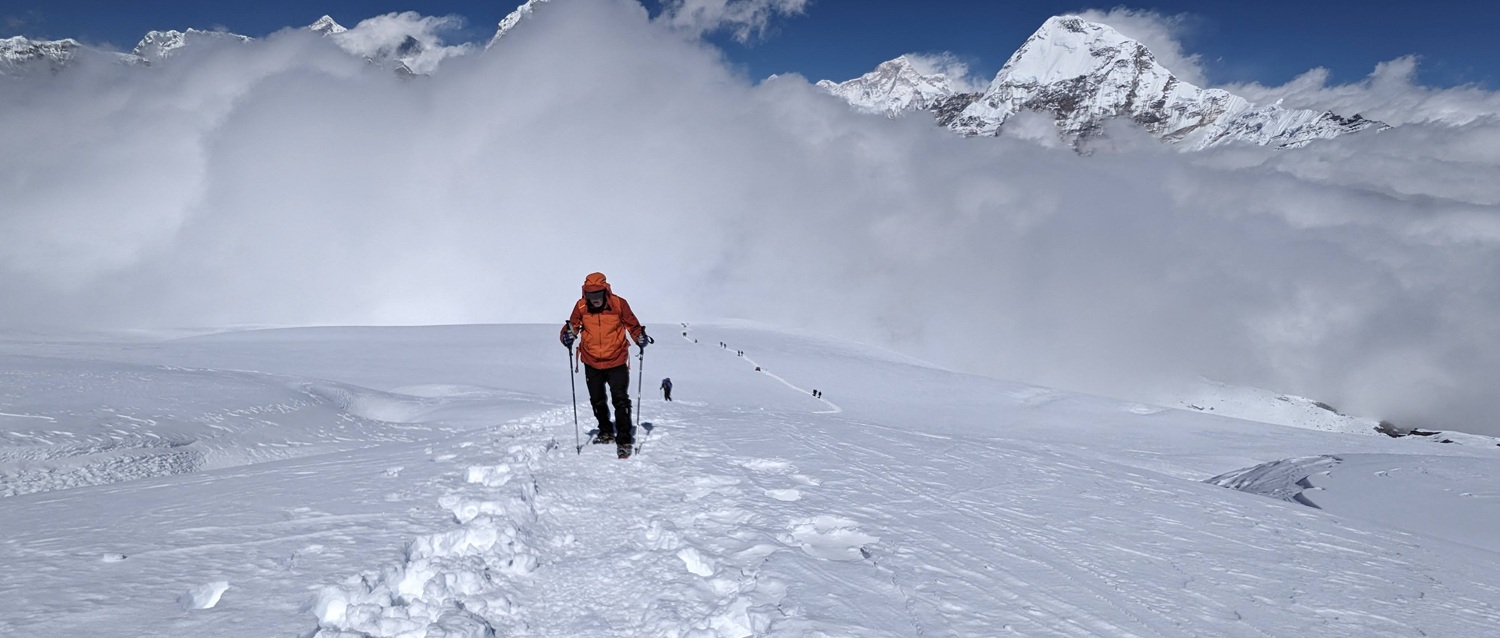
on the way high camp.JPG

Travelers wishing to play with nature and alpine vegetation can choose the spring season, which will be the best option for them. The dry and sunny weather results in a great vision of the environment.

Among the three months, the first weeks of March are colder because of the recent winter. Thus, you should pack warm clothing if you are planning for those periods. Likewise, if you are planning late May, you can witness occasional rainfall and clouds because of the approaching monsoon. Thus, April will be the best time for Mera Peak Climbing in Spring without any hassles.

Mera Peak Climbing in Winter

For climbing peaks and high mountain vistas, winter and summer are considered off-peak seasons. However, if you are an adventure lover, climbing trekking peaks (Mera, Island, and Lobuche) are possible in winter periods with a bit more preparation.
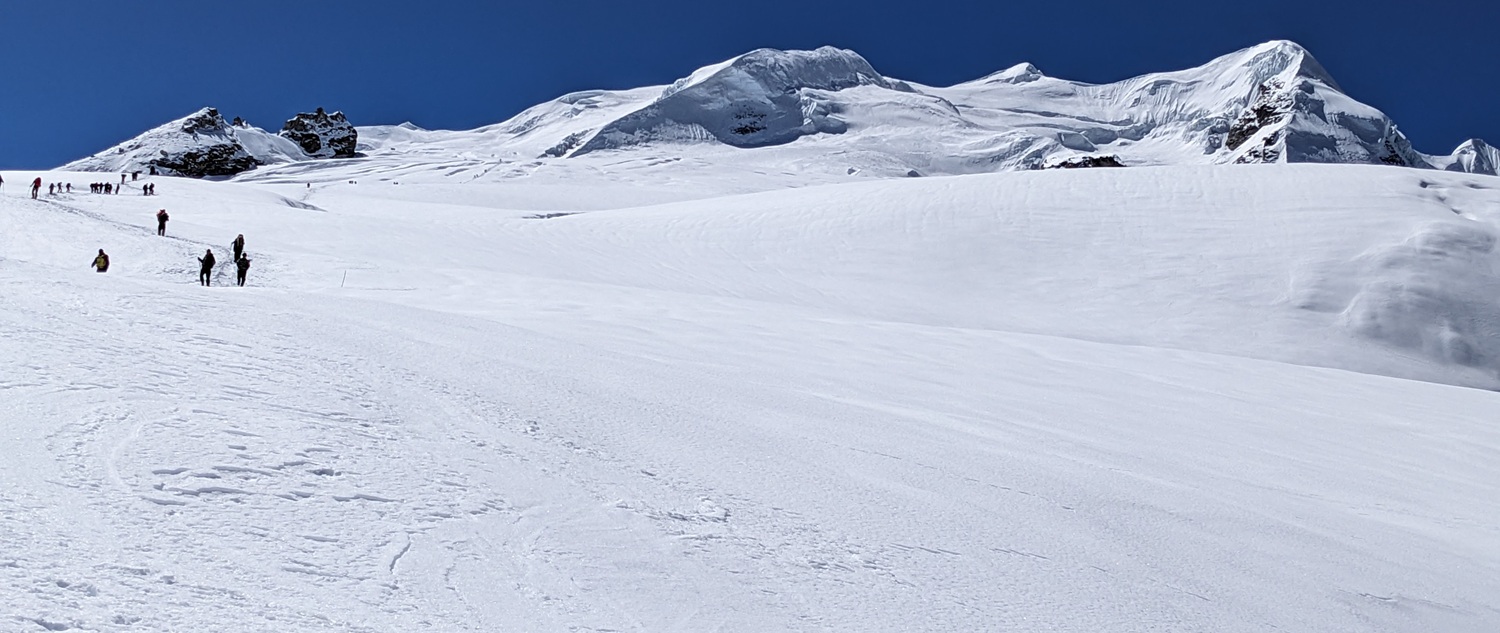
on the way to high cam...

Some travelers love off-the-crowd periods where the teahouses are cheaper and have only a few travelers, and the trekking routes are almost empty.  The trekking companies offer great discounts, and the experienced guides are also available. There is no rainfall during this season, because of which the trails are not slippery, and the view of the mountains is unobstructed.

Itinerary Overview

Day 1: Kathmandu (1,338m/4,390ft) Arrival

Day 2: Kathmandu (1,338m/4,390ft) Gear Checking and Climbing Preparation

Day 3: Fly Lukla (2,850m/9,350ft) and trek to Chhutang (3,100m /10,170ft) - 4 hours

Day 4: Trek Chhutang (3,100m /10,170ft) to Tulikharka (4,300m/14,107ft) - 8 hours

Day 5: Trek Tulikharka (4,300m/14,107ft) to Kothe (3,580m/11,745ft) - 7 hours

Day 6: Trek Kothe (3,580m/11,745ft) to Tangnang (4,358m/14,297ft) - 6 hours

Day 7: Trek Tangnang (4,358m/14,297ft) to Khare (5,045m / 16,552ft) - 5-6 hour

Day 8: Rest day at Khare (5,045m / 16,552ft) – Acclimatization and Ice Climbing Practice

Day 9: Trek Khare (5,045m / 16,552ft) to Mera High camp (5,750m/18,865ft) - 5-6 hours

Day 10: Climb Mera High Camp (5,750m/18,865ft) to the Summit of Mera Peak (6,476 m / 21,247 ft) and back to Khare (5,045m / 16,552ft) – 9-10 hours

Day 11: Contingency Day in Case of Bad Weather

Day 12: Fly from Khare (5,045m / 16,552ft) to Kathmandu (1,338m/4,390ft) via Helicopter

Day 13: Rest Day in Kathmandu (1,338m/4,390ft)

Day 14: Final Departure (Airport Drop)

Detail Itinerary

Cost Includes

    Transportation

    • Private vehicle for transfers as per in itinerary; airport pickup & drop
    • Domestic flight tickets (Kathmandu – Lukla – Kathmandu) and airport departure taxes
    • Helicopter Charges from Khare to Lukla and Lukla to Kathmandu 

    Food and Accommodation

    • Four nights' accommodation in Kathmandu in a 3-star category hotel
    • Eight nights' accommodation in the best available local lodge/teahouse throughout the trek
    • One night's accommodation in the tented camp during the climb
    • All standard meals [Breakfast, Lunch, and Dinner] during the trek and climbing
    • Available seasonal fruits throughout the trek/climb
    • Breakfast at a hotel in Kathmandu
    • Farewell Dinner in Kathmandu

    Staff

    • A Government licensed English-speaking trekking guide including wages, meals, insurance, lodging, transportation, flight, and other necessary gear & equipment.
    • For more than six trekkers, one assistant guide includes wages, meals, insurance, lodging, transportation, flight, and other necessary gear & equipment.
    • A porter for two trekkers/ climbers ratio including wages, meals, insurance, lodging, transportation, flight, and other necessary gear & equipment
    • A Government licensed English-speaking climbing guide, including wages, meals, insurance, lodging, transportation, flight, and other necessary gear & equipment.

    Permits and Tariffs

    • Makalu Barun National Park Entry Permit
    • Mera Peak Climbing Permit and Taxes
    • All other government, local taxes, and official expenses
    •  

    Extra

    • A Gore-Tex duffle bag [100% waterproof] to keep your personal belongings carried by the porter
    • Assistance in arranging rescue operations in case of complicated health conditions (funded by travel insurance)
    • Mera Peak Climbing trekking map and Outward Adventure t-shirt
    • Outward Adventure Token of Love after the successful climb
    • A first aid medicine bag in each group

Cost Excludes

    • International Flight Cost
    • Nepal Entry Visa Fees
    • Extra baggage check-in during the flight (Kathmandu-Lukla-Kathmandu) if more than 15 KG, 01 USD per KG extra, can pay directly to the airline.
    • Extra night accommodation in Kathmandu due to early arrival or late departure, or early return from the climb
    • Personal expenses such as alcoholic drinks, shopping, snacks, boiled bottle water, hot (Tea/ Coffee) and cold drinks, hot shower, alcohol, Wi-Fi, telephone call, battery re-charge fee, extra porters, etc
    • Additional costs suffered due to causes beyond our control, such as natural disasters, weather conditions, itinerary modifications due to safety concerns, emergency evacuation, changes in government policies, strikes, and so forth
    • Tips for guides and porters (Tips are appreciated)

Equipements

Packing List for Mera Peak Climbing

Head

  • Warm woolen camp for high camps and above
  • Headscarf (useful for dusty conditions)
  • A balaclava which covers your ears.
  • Wide-brimmed sunhat
  • Neck gaiter or warmer
  • Headlamp with extra batteries and bulbs
  • Snow goggles and Sunglasses with UV protection (carry an extra pair in case you lose or break it)
  • Prescription sunglasses (if required)

Upper Body

  • Three light and trekking-weight thermal tops
  • Three T-shirts or cool-max trekking shirts
  • A Fleece Jacket or pullover (Merino, soft shell)
  • A Waterproof shell jacket with hood (lightweight, breathable)
  • A Down Jacket

Hands

  • A pair of lightweight poly-liner gloves or lightweight wool or fleece gloves
  • Summit Mittens (warm insulated gloves with safety straps)

Lower Body

  • Hiking shorts
  • Trekking trousers (waterproof, breathable fabric)
  • Hard shell trousers
  • Non-cotton underwear briefs
  • Lightweight thermal leggings of merino wool
  • Synthetic insulated pants

Feet

  • Three warm Trekking socks (smart wool)
  • Three pairs of liner socks
  • Two pairs of thick/ warm socks
  • Two thick wool socks to wear at night in lodges
  • Trekking Boots (waterproof, ankle support with rigid sole)
  • Lightweight Rubber Shoes / Trainers / Trail Runners to wear at the Tea Houses

Sleeping

  • Sleeping Bag (a 5-season sleeping bag, suitable for temperatures as low as -40°C)
  • Therm-a-Rest sleeping pad that offers insulation and warmth in sub-freezing temperatures
  • Pillowcase
  • Fleece sleeping bag liner
  • Foam pad
  • Personal Climbing Gear
  • Ascender/Jhumar
  • Descender/eight-figure
  • Harness
  • Tape slings (2)
  • Portable mountaineering climbing boots
  • Prusik rope
  • Ice axe
  • Crampons
  • Screwgate karabiners (2 locks, 2 unlock)

Group Climbing Gears

  • Ice hammer
  • Ice screw
  • Snow bar
  • Rope

Rucksack and Travel Bags

  • Large duffel bag (80-100L we provide it)
  • A small daypack/backpack(30-40L) for carrying your valuables should have good shoulder padding.
  • Small padlocks for duffel-kit bags
  • Waterproof covers

Practical Items

  • Alarm clock/watch
  • Camera with extra SD cards and batteries
  • Large Ziploc bags
  • Small roll of repair tape, sewing-repair kit
  • Cigarette lighter / small box of matches
  • 4 large, waterproof, disposable rubbish sacks
  • Socket adapter Type C (with circular pins)
  • Trekking poles (foldable)
  • 2 water bottles (1 liter each)
  • Lightweight steel thermal bottle
  • Small folding or Swiss knife
  • Compass or GPS(optional)
  • Binoculars (optional)

Toiletries

  • Small sachets of shampoo
  • Deodorants
  • Nail clippers
  • Face and body moisturizer
  • Female hygiene products
  • Small mirror
  • Medium-sized quick-drying towel
  • Toothbrush/paste (preferably biodegradable)
  • Multipurpose soap (preferably biodegradable)

Personal Hygiene

  • Hand sanitizer
  • Pee Bottle (1 litre, leak-proof, wide mouth)
  • Pee funnel (for females)
  • Wet wipes (baby wipes)
  • Tissue /toilet roll
  • Anti-bacterial handwash

Extras/Luxuries

  • Journal and pen
  • iPod
  • Playing cards (to help you pass the time at teahouses and/or camps)
  • Reading a book
  • Trail map/guidebook
  • A modest swimsuit

FAQs

A moderate level of fitness is required. Climbers should be able to trek 6-8 hours per day on uneven terrain and at high altitudes. Basic trekking experience and endurance are key.

After summiting, climbers take a helicopter from Khare to Kathmandu, saving several trekking days. The flight lasts about 30 minutes and is included in the package.

The itinerary includes rest days at Khare and Mera High Camp for acclimatization. Guides monitor climbers closely for symptoms, and emergency evacuation is available if needed.

You’ll stay in teahouses and lodges during the trek, with tented camps at high altitudes. In Kathmandu, you'll stay in a 3-star hotel.

Emergency evacuation is covered by travel insurance. In case of health issues, climbers can be airlifted from Khare or Lukla to Kathmandu.
Leave Your Review

whatsapp