
Any Questions? Email Us
Talk to an Expert
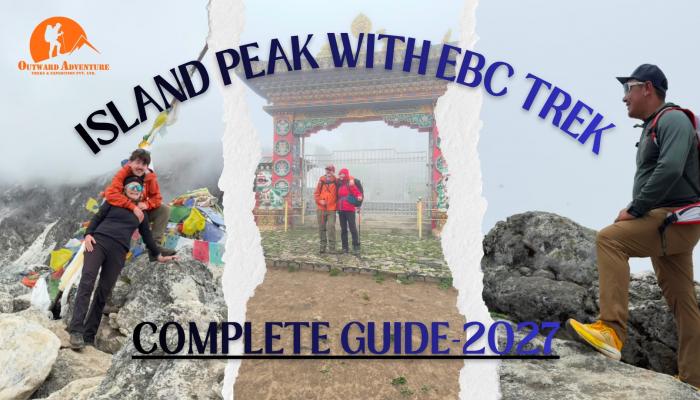
Planning your 2027 Island Peak and Everest Base Camp Trek is your opportunity to experience two of Nepal's most iconic Himalayan adventures in one unforgettable expedition. Combining the world-renowned Everest Base Camp Trek (5,364 m) with the thrilling ascent of Island Peak (6,189 m), this journey is designed for trekkers and aspiring climbers seeking breathtaking mountain scenery, authentic Sherpa culture, and a rewarding high-altitude challenge. Whether you're searching for the best Island Peak climbing package, Everest Base Camp with Island Peak itinerary, Island Peak climbing cost, best time to climb Island Peak, or Island Peak difficulty, this comprehensive 2027 guide provides the essential information you need to prepare for a safe and successful adventure.
Recognized as one of Nepal's premier trekking and climbing experiences, the Island Peak and Everest Base Camp Trek follows the legendary Khumbu trail through Sagarmatha National Park, a UNESCO World Heritage Site. Along the way, you'll explore the vibrant Sherpa town of Namche Bazaar, visit the historic Tengboche Monastery, stand beneath the towering Khumbu Icefall at Everest Base Camp, witness a spectacular sunrise from Kala Patthar, and summit Island Peak for panoramic views of Mount Everest, Lhotse, Nuptse, Ama Dablam, Makalu, and Baruntse. With a carefully planned itinerary, proper acclimatization, experienced Sherpa climbing guides, and expert logistical support from Outward Adventure Treks, this expedition offers an exceptional balance of safety, summit success, and authentic Himalayan adventure for the 2027 climbing season.
The adventure begins with a spectacular mountain flight to Lukla before following the classic Everest trekking trail through picturesque Sherpa villages, ancient monasteries, suspension bridges decorated with colorful prayer flags, and dense rhododendron and pine forests. Trekkers gradually ascend through Namche Bazaar, the vibrant gateway to Everest, before continuing toward Tengboche Monastery, Dingboche, Lobuche, Gorakshep, and finally the legendary Everest Base Camp (5,364 m). Along the route, travelers witness some of the world's most iconic Himalayan giants, including Mount Everest (8,848.86 m), Lhotse, Nuptse, Ama Dablam, Pumori, Thamserku, Kangtega, Lobuche East, Makalu, Baruntse, and countless snow-covered peaks that dominate the skyline.
One of the greatest highlights of this expedition is reaching Kala Patthar (5,545 m), widely regarded as the finest viewpoint in the Everest region. From its summit, climbers enjoy a panoramic sunrise over Mount Everest and the surrounding Himalayan range, creating one of the most memorable moments of the entire journey. Visiting Everest Base Camp and Kala Patthar before attempting Island Peak allows participants to acclimatize naturally while experiencing the legendary locations that have inspired generations of mountaineers.
After completing the Everest Base Camp section, the route heads toward the peaceful Imja Valley, leaving behind the busier trekking trail. As the expedition moves through Chhukung to Island Peak Base Camp, the landscape becomes increasingly dramatic with towering glaciers, rugged ice formations, alpine meadows, and massive Himalayan walls surrounding the valley. Here, climbers receive essential mountaineering instruction covering the use of crampons, harnesses, ropes, ice axes, fixed-line techniques, and glacier travel. This practical training makes the expedition suitable for fit trekkers who possess determination, endurance, and a willingness to learn basic climbing skills.
The summit day on Island Peak is both physically demanding and deeply rewarding. Climbers begin well before dawn, navigating rocky terrain, glacial moraines, snowfields, and moderate ice slopes before ascending the famous fixed rope section leading toward the summit ridge. Reaching the top reveals one of the most spectacular 360-degree Himalayan panoramas in Nepal. From the summit, climbers can admire breathtaking views of Lhotse, Makalu, Baruntse, Ama Dablam, Nuptse, and countless surrounding Himalayan peaks stretching toward Tibet. Standing on the summit of Island Peak represents a remarkable personal achievement and often serves as the first major milestone for climbers pursuing higher Himalayan expeditions in the future.
Beyond its mountaineering appeal, Island Peak Climbing with Everest Base Camp Trek offers an immersive cultural experience within the homeland of the legendary Sherpa people. Travelers explore centuries-old Buddhist monasteries, colorful mani walls, prayer wheels, traditional stone villages, and vibrant mountain communities where hospitality remains an integral part of daily life. Tengboche Monastery, the spiritual center of the Khumbu region, provides an unforgettable opportunity to experience Himalayan Buddhist traditions against the backdrop of Ama Dablam. The warmth, resilience, and mountaineering heritage of the Sherpa community add extraordinary depth to this once-in-a-lifetime adventure.
Proper acclimatization, professional guidance, and comprehensive logistical support are essential for a successful Island Peak expedition. A well-designed itinerary includes multiple acclimatization days, gradual altitude gain, experienced climbing guides, high-quality climbing equipment, safety briefings, weather monitoring, and emergency preparedness. These elements not only maximize summit success but also reduce the risks associated with high-altitude travel, making the journey safer and more enjoyable for climbers from around the world.
The best seasons for Island Peak Climbing with Everest Base Camp Trekking are spring (March to May) and autumn (September to November). During these months, Nepal enjoys stable weather, clear mountain views, comfortable daytime temperatures, and favorable climbing conditions. Spring brings colorful rhododendron forests and active expedition teams throughout the Khumbu, while autumn offers crystal-clear skies, crisp air, and exceptional visibility across the Himalayan range.
This adventure appeals to trekkers, photographers, mountaineers, nature lovers, and travelers seeking more than an ordinary trekking holiday. It combines the prestige of reaching Everest Base Camp with the exhilaration of standing atop a Himalayan summit, creating memories that last a lifetime. Whether your goal is to begin your mountaineering journey, challenge your physical limits, or witness the grandeur of the world's highest mountains, Island Peak Climbing with Everest Base Camp Trekking delivers an unmatched Himalayan experience.
For those seeking an authentic, professionally guided, and unforgettable expedition in Nepal, Outward Adventure Treks provides expertly crafted itineraries led by experienced Sherpa climbing guides with a strong focus on safety, acclimatization, personalized service, and responsible mountain tourism. From your arrival in Kathmandu to your successful Island Peak summit and return, every detail is carefully managed to ensure a safe, rewarding, and truly life-changing Himalayan adventure.
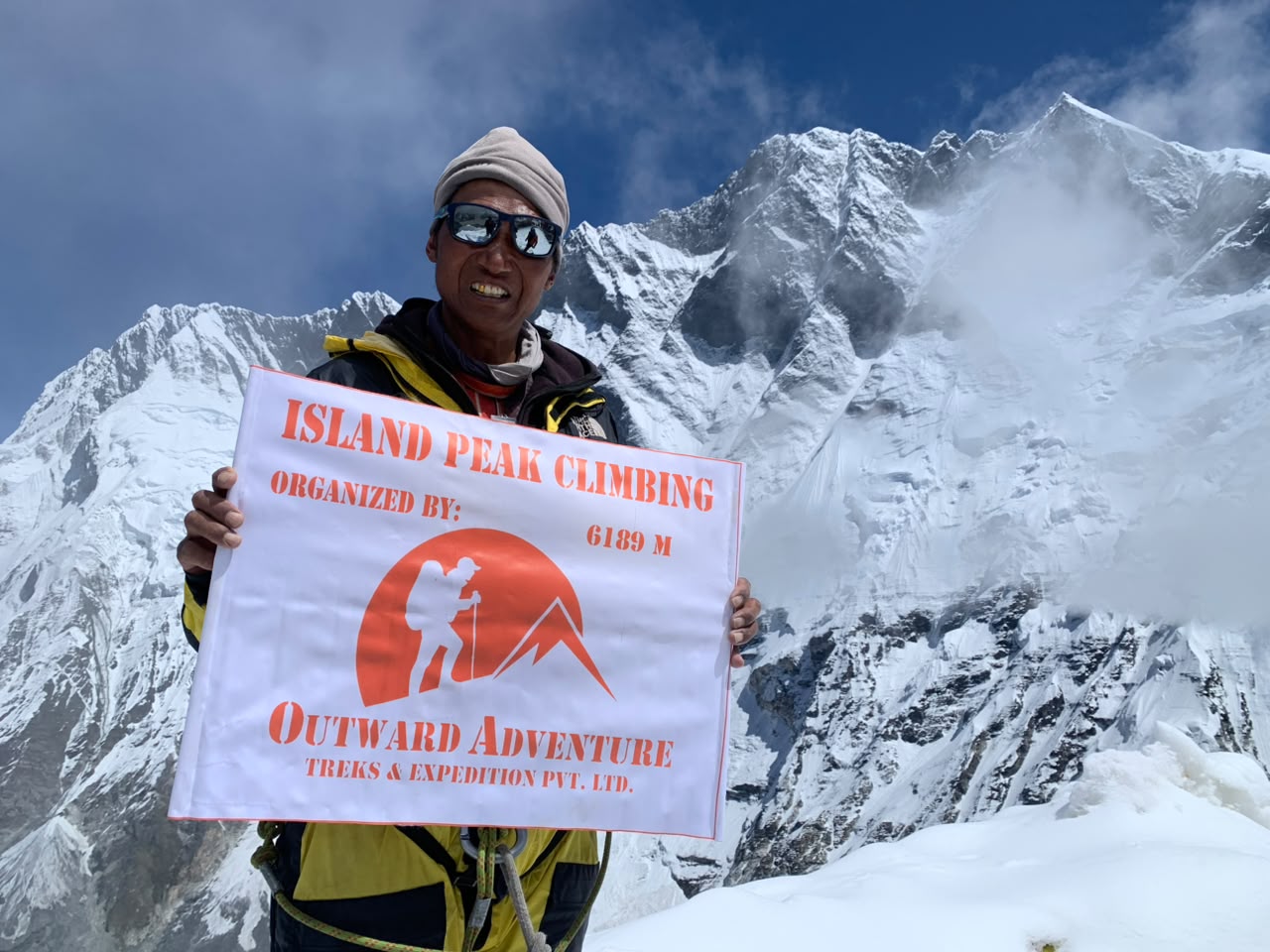
Choosing the Island Peak Climbing with Everest Base Camp Trek is far more rewarding than undertaking either adventure separately. This combined itinerary allows travelers to experience Nepal's most iconic trekking destination while achieving the remarkable milestone of climbing a Himalayan peak. It offers the perfect balance of adventure, culture, mountaineering, and natural beauty, making it one of the most valuable and unforgettable Himalayan journeys.
One of the greatest advantages is excellent acclimatization. The gradual ascent through Namche Bazaar, Tengboche, Dingboche, Lobuche, Everest Base Camp, and Kala Patthar helps climbers adapt naturally to the increasing altitude before attempting the 6,189-meter summit of Island Peak. Proper acclimatization significantly improves safety, enhances physical performance, and increases the likelihood of a successful summit.
The combination also provides two world-class achievements in a single expedition. Travelers not only stand at the legendary Everest Base Camp beneath the world's highest mountain but also reach the summit of Island Peak, earning both a prestigious trekking accomplishment and an authentic Himalayan climbing experience. This makes the journey exceptionally rewarding for those seeking more than a traditional trek.
Another major benefit is the continuous diversity of landscapes and experiences. The route passes through lush forests, alpine meadows, glacial valleys, rocky moraines, pristine ice fields, and dramatic mountain terrain. Each day introduces new scenery, ensuring the adventure remains exciting from beginning to end while offering exceptional opportunities for photography and wildlife observation.
The Combine expedition also provides immersive cultural experiences in the heart of the Khumbu (Everest) region. Travelers stay in traditional Sherpa villages, visit ancient Buddhist monasteries, spin prayer wheels, walk beside centuries-old mani walls, and experience the warm hospitality of local mountain communities. These authentic cultural encounters create meaningful connections that extend beyond the physical adventure.
For aspiring mountaineers, this journey serves as the ideal introduction to Himalayan climbing. Before the summit push, climbers receive practical training in using crampons, harnesses, ropes, ice axes, and fixed-line techniques under the guidance of experienced climbing professionals. This hands-on experience builds confidence and prepares participants for more challenging expeditions in the future.
The combined itinerary is also highly cost-effective and time-efficient. Instead of organizing separate trips to Everest Base Camp and Island Peak, travelers complete both adventures in one carefully planned expedition. This reduces overall travel expenses, saves valuable time, and simplifies logistics while maximizing the overall Himalayan experience.
One of the journey's greatest rewards is the opportunity to witness some of the world's finest mountain panoramas. Throughout the expedition, travelers enjoy uninterrupted views of Mount Everest, Lhotse, Nuptse, Ama Dablam, Makalu, Baruntse, Pumori, Thamserku, Kangtega, and many other magnificent Himalayan peaks. The breathtaking vistas from Kala Patthar and the summit of Island Peak rank among the most spectacular viewpoints in Nepal.
The combination also delivers a strong sense of personal achievement and adventure. Completing the Everest Base Camp Trek and successfully summiting Island Peak requires determination, endurance, teamwork, and mental resilience. The accomplishment becomes a lifelong memory and a significant milestone for trekkers, climbers, and adventure enthusiasts alike.
Finally, this combined expedition creates a complete Himalayan experience by blending trekking, mountaineering, cultural exploration, breathtaking landscapes, and personal challenge into one seamless journey. Rather than experiencing only one aspect of the Everest region, travelers gain a deeper appreciation of the Himalayas, making every day of the expedition meaningful, memorable, and exceptionally rewarding.
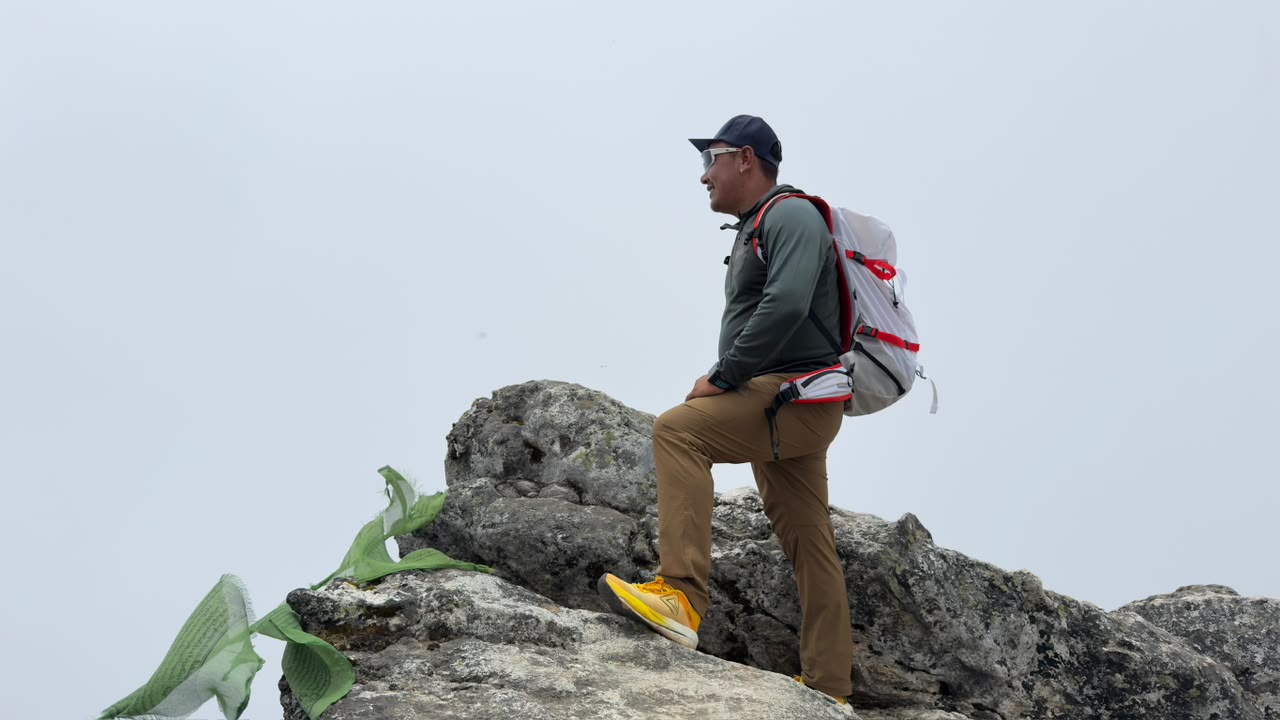
The Island Peak Climbing with Everest Base Camp Trek combines Nepal's most iconic trekking route with an exciting Himalayan climbing adventure. Every stage of the journey offers unforgettable experiences, from vibrant Sherpa villages and sacred monasteries to breathtaking glaciers and a successful mountain summit.
1. Reach the Legendary Everest Base Camp (5,364 m)
Stand at the foot of Mount Everest, where climbers from around the world prepare for expeditions to the world's highest peak. Visiting Everest Base Camp is a lifelong dream for many adventurers, offering close-up views of the Khumbu Icefall, surrounding glaciers, and the dramatic Himalayan landscape.
2. Witness the Spectacular Sunrise from Kala Patthar (5,545 m)
Kala Patthar is the highest trekking viewpoint in the Everest region and provides the finest panoramic views of Mount Everest. The sunrise over Everest, Lhotse, Nuptse, Pumori, and Ama Dablam creates one of the most breathtaking moments of the entire expedition.
3. Summit Island Peak (6,189 m)
The ultimate highlight of the journey is reaching the summit of Island Peak, one of Nepal's most popular trekking peaks. The climb includes glacier travel, snow slopes, and fixed-rope sections, rewarding climbers with spectacular 360-degree views of the eastern Himalayas.
4. Trek Through the Heart of Sagarmatha National Park
Explore the UNESCO World Heritage-listed Sagarmatha National Park, home to dramatic alpine landscapes, glaciers, rivers, rare Himalayan wildlife, and diverse vegetation. The park protects one of the world's most extraordinary mountain ecosystems.
5. Experience Authentic Sherpa Culture
Visit traditional Sherpa villages including Lukla, Namche Bazaar, Tengboche, Dingboche, Chhukung, and Pangboche. Discover local traditions, Buddhist culture, mountain hospitality, colorful prayer flags, mani walls, and centuries-old monasteries.
6. Visit the Famous Tengboche Monastery
Explore the largest and most important Buddhist monastery in the Everest region. Set against the magnificent backdrop of Ama Dablam, Tengboche Monastery offers a peaceful cultural experience and insight into Himalayan spiritual traditions.
7. Enjoy Stunning Views of the World's Highest Mountains
Throughout the expedition, enjoy uninterrupted views of Everest (8,848.86 m), Lhotse, Nuptse, Ama Dablam, Makalu, Baruntse, Pumori, Thamserku, Kangtega, Lobuche Peak, Cholatse, and many other spectacular Himalayan giants.
8. Cross Suspension Bridges Above Deep River Gorges
Walk across iconic suspension bridges draped with colorful Buddhist prayer flags while crossing the rushing Dudh Koshi River. These thrilling crossings are among the most recognizable features of the Everest trekking route.
9. Learn Essential Mountaineering Skills
Receive professional climbing instruction before the summit attempt, including the proper use of crampons, harnesses, ice axes, ascenders, helmets, ropes, and glacier safety techniques under the guidance of experienced climbing guides.
10. Follow the Historic Everest Expedition Route
Walk the same legendary trail used by Sir Edmund Hillary, Tenzing Norgay Sherpa, and countless Everest expeditions. Every step carries the rich history of Himalayan mountaineering.
11. Explore the Bustling Mountain Hub of Namche Bazaar
Spend time in the vibrant Sherpa town of Namche Bazaar, the commercial gateway to Everest. Visit local markets, bakeries, gear shops, museums, cafés, and scenic viewpoints while acclimatizing for higher elevations.
12. Witness the Magnificent Khumbu Glacier and Icefall
Observe one of the world's most impressive glacier systems up close. The constantly shifting Khumbu Glacier and the towering Khumbu Icefall demonstrate the immense power and beauty of the Himalayas.
13. Challenge Yourself in a Safe High-Altitude Adventure
The combination of trekking and peak climbing provides the perfect introduction to Himalayan mountaineering. With proper acclimatization, expert guidance, and technical training, climbers gain valuable high-altitude experience while pursuing a realistic summit objective.
14. Capture Incredible Himalayan Photography
From sunrise over Everest and golden alpine valleys to glacier landscapes, traditional Sherpa villages, and snow-covered summits, every day offers extraordinary opportunities for landscape, wildlife, and cultural photography.
15. Create a Lifetime Achievement in the Himalayas
Completing both the Everest Base Camp Trek and Island Peak Climbing in a single expedition is a remarkable personal accomplishment. The journey combines adventure, endurance, cultural discovery, and mountaineering into one unforgettable Himalayan experience that leaves travelers with lifelong memories.
Island Peak Climbing with Everest Base Camp Trek is considered a moderately challenging to strenuous Himalayan adventure that combines long-distance trekking with technical peak climbing. While no advanced mountaineering experience is required, participants should have excellent physical fitness, mental determination, and adequate preparation for high-altitude conditions. The expedition involves trekking above 5,000 meters, climbing a 6,189-meter Himalayan peak, and enduring unpredictable mountain weather, making it a rewarding yet demanding journey.
Without proper acclimatization, trekkers may experience symptoms of Acute Mountain Sickness (AMS), including headaches, nausea, dizziness, fatigue, and loss of appetite. A well-planned itinerary with acclimatization days at Namche Bazaar and Dingboche greatly reduces these risks and improves summit success.
Good cardiovascular endurance and leg strength are essential for maintaining energy throughout the expeditionTechnical Climbing Section
Unlike the Everest Base Camp Trek, Island Peak requires basic mountaineering skills. Climbers must use:
Crampons
Ice axe
Climbing harness
Helmet
Ascender (Jumar)
Carabiners
Fixed ropes
The final ascent includes glacier travel, crevasse crossings, steep snow slopes, and fixed-rope climbing. Although experienced climbing guides provide instruction and support, participants should be comfortable following technical safety procedures.
The combination of darkness, cold weather, altitude, physical fatigue, and steep terrain makes summit day the most demanding part of the expedition. Mental resilience becomes just as important as physical strength.
Climbers may encounter:
Strong mountain winds
Snowfall
Ice-covered trails
Freezing temperatures
Sudden weather changes
Reduced visibility
Wearing proper layered clothing and high-quality mountaineering gear is essential for safety and comfort.
Climbers also cross sections with deep crevasses using fixed ropes or ladders under the supervision of experienced climbing guides.
Regular training before the expedition—such as hiking, running, cycling, stair climbing, and strength exercises—greatly improves endurance and overall performance.
Maintaining a positive mindset, following the guide's instructions, staying hydrated, and pacing yourself are key factors in successfully completing the expedition.
Choosing a professionally organized expedition with experienced Sherpa guides, proper safety equipment, emergency planning, and reliable logistical support significantly enhances safety throughout the journey.
Yes—but it is achievable for beginners with good physical fitness and determination. Many first-time climbers successfully complete Island Peak after following a structured training plan and joining a professionally guided expedition.
Prior trekking experience is beneficial but not mandatory. Basic climbing techniques are taught at Island Peak Base Camp before the summit attempt, allowing participants to gain confidence under expert supervision.
Overall Difficulty Rating: 7.5–8.5 out of 10
The combination of Everest Base Camp Trek and Island Peak Climbing is challenging because of its high altitude, long trekking days, glacier travel, and technical summit section. However, with proper acclimatization, thorough physical preparation, quality equipment, and experienced Sherpa support, it is an achievable and incredibly rewarding adventure for fit trekkers seeking their first Himalayan mountaineering experience.
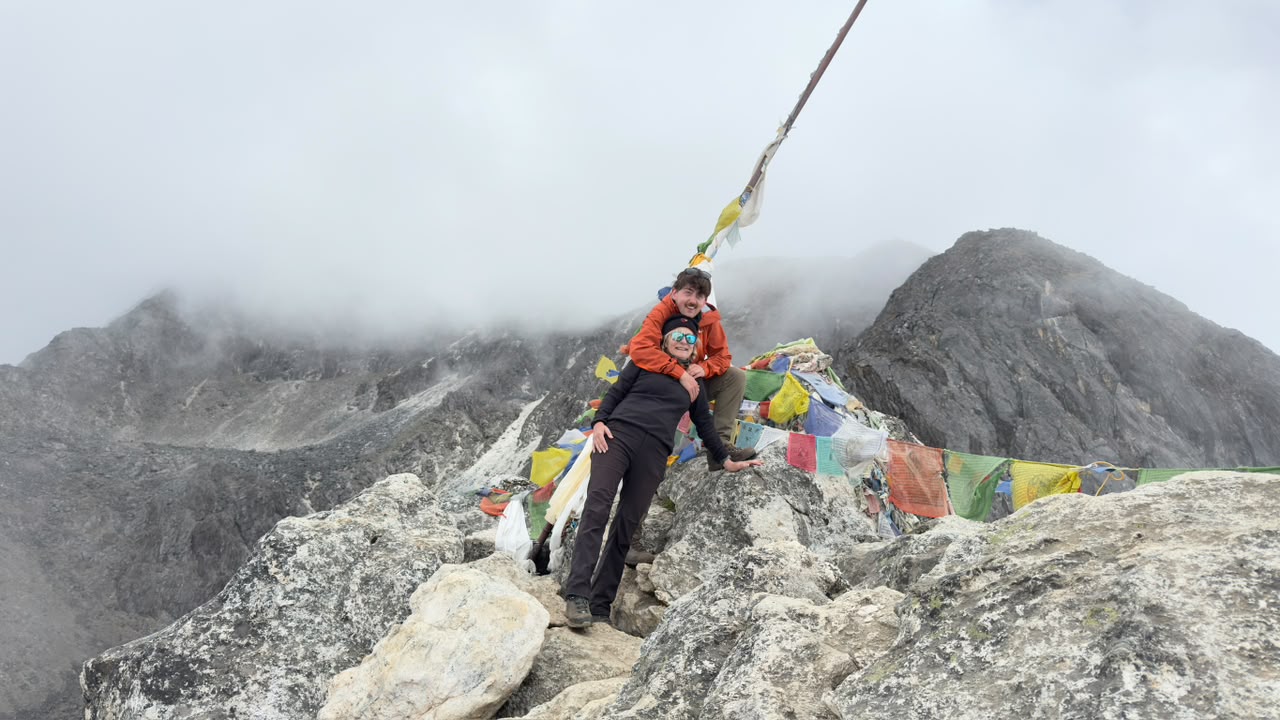
Never Miss Out During This Trek
The Island Peak Climbing with Everest Base Camp Trek is filled with unforgettable moments that extend far beyond reaching the summit. Every stage of the journey offers unique natural, cultural, and mountaineering experiences that deserve your full attention. To make the most of this once-in-a-lifetime Himalayan adventure, don't miss these incredible highlights.
The Island Peak Climbing with Everest Base Camp Trek is much more than a trekking and climbing expedition. It is a complete Himalayan experience that blends adventure, culture, breathtaking scenery, personal achievement, and unforgettable memories. By embracing every moment along the route—not just the final summit—you'll return home with a deeper appreciation of the Everest region and one of Nepal's greatest mountain adventures.
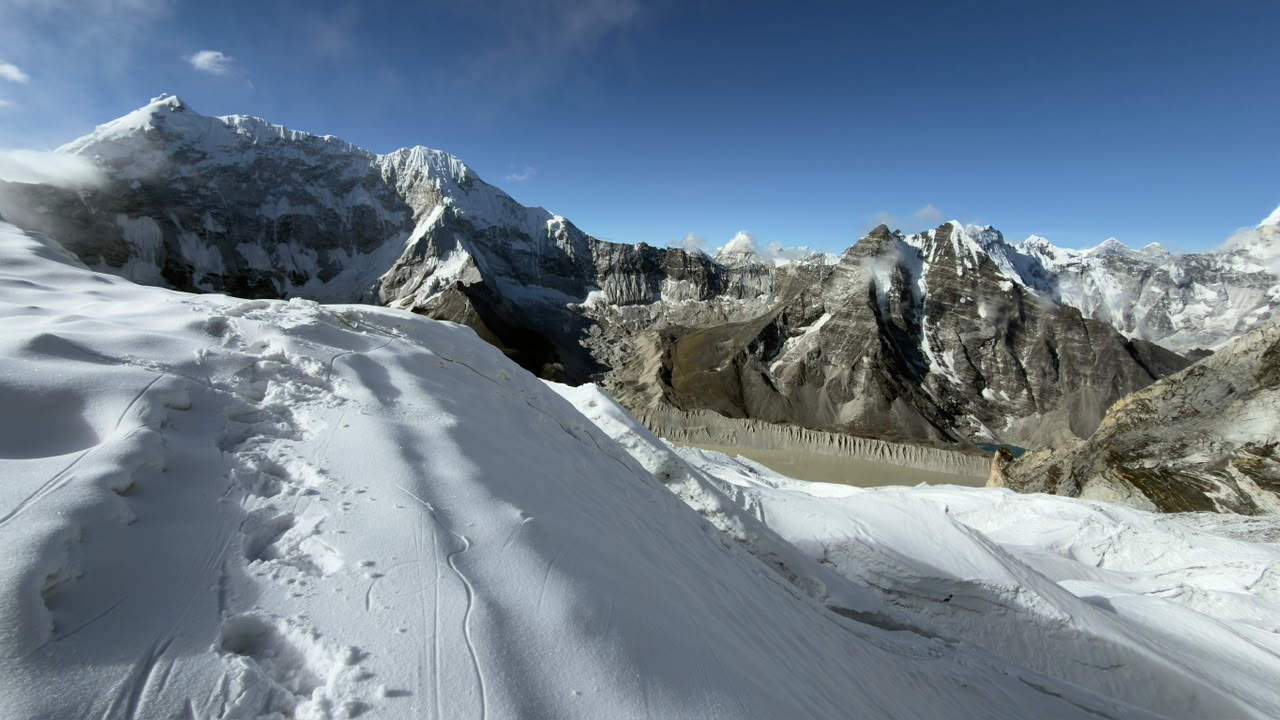
Island Peak Climbing with Everest Base Camp Trek is one of Nepal's most complete Himalayan adventures, combining the legendary journey to Everest Base Camp with the excitement of summiting the 6,189-meter Island Peak. From walking through the breathtaking landscapes of Sagarmatha National Park and experiencing the rich traditions of the Sherpa community to witnessing spectacular views from Kala Patthar and standing atop a Himalayan summit, this expedition delivers an unforgettable blend of trekking, mountaineering, culture, and natural beauty.
Although the journey demands physical fitness, proper acclimatization, and determination, the rewards far outweigh the challenges. With expert guidance, careful planning, and quality equipment, Island Peak is an achievable objective for well-prepared trekkers looking to take their first step into Himalayan mountaineering. The combination of Everest Base Camp and Island Peak not only increases the value of the adventure but also provides a safer acclimatization profile and a more immersive experience in the Khumbu region.
For travelers seeking a trusted and professionally organized expedition, Outward Adventure Treks and Expedition delivers exceptional Himalayan adventures backed by experienced Sherpa climbing guides, personalized service, well-planned itineraries, and an unwavering commitment to safety. Every expedition is designed to maximize acclimatization, enhance summit success, and provide authentic cultural experiences while following responsible and sustainable tourism practices.
Whether your dream is to reach Everest Base Camp, stand on the summit of Island Peak, or begin your journey toward greater Himalayan mountaineering goals, Outward Treks and Expedition is committed to helping you achieve it with confidence. Join one of Nepal's most rewarding trekking and climbing expeditions and create memories that will last a lifetime while exploring the heart of the world's highest mountain range.
 Jul 26, 2026
The Annapurna Circuit Trek is widely recognized as one of the world's greatest trekking adventures, offering an extraord...
Read More Jul 21, 2026
Standing at 6,476 meters (21,247 ft), Mera Peak is Nepal's highest trekking peak and one of the world's most rewarding h...
Read More Jul 14, 2026
Planning a Himalayan adventure in 2027? Everest Base Camp vs Annapurna Base Camp Trek is one of the most searched compar...
Read More Jul 05, 2026
Nepal is globally recognized as the heart of Himalayan mountaineering, offering the world's most iconic high-altitude ex...
Read More
Leave a Comment