
Any Questions? Email Us
Talk to an Expert
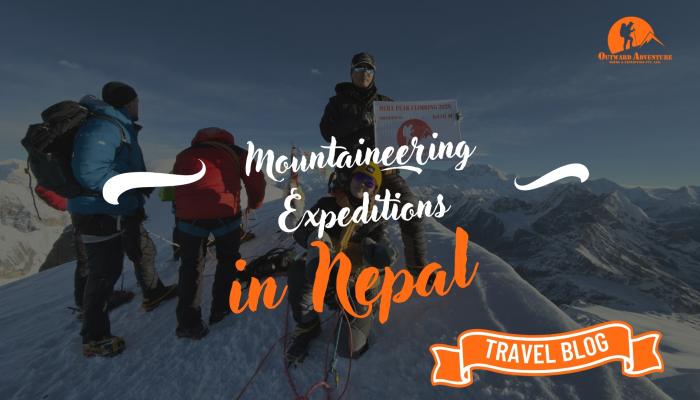
Nepal is globally recognized as the heart of Himalayan mountaineering, offering the world's most iconic high-altitude expeditions. Home to eight of the fourteen mountains above 8,000 meters, including the legendary Mount Everest, Nepal has become the ultimate destination for climbers seeking extraordinary challenges, breathtaking landscapes, and unforgettable adventures. From first-time expedition climbers aiming for accessible Himalayan summits to experienced mountaineers pursuing technical peaks, Nepal provides expedition opportunities for every level of ambition.
An expedition in Nepal is much more than climbing a mountain—it is an incredible journey through ancient Sherpa villages, remote alpine valleys, pristine glaciers, and dramatic Himalayan landscapes. Every expedition combines physical endurance, technical climbing skills, careful acclimatization, and cultural immersion. Whether you dream of standing atop Everest, Lhotse, Manaslu, Ama Dablam, Himlung Himal, or another magnificent Himalayan peak, Nepal offers world-class mountaineering experiences supported by experienced guides and well-established expedition infrastructure.
One of the greatest advantages of choosing Nepal for mountaineering is its exceptional variety of expedition peaks. While Mount Everest remains the ultimate goal for many climbers worldwide, Nepal also offers numerous alternative expeditions that provide outstanding climbing experiences with different levels of technical difficulty, duration, and altitude. Popular expeditions such as Manaslu, Himlung Himal, Dhaulagiri, Annapurna, Cho Oyu (when accessible), Baruntse, Putha Hiunchuli, and several 6,000-7,000-meter peaks allow climbers to develop their skills while exploring some of the world's most spectacular mountain environments.
Preparation plays a crucial role in the success of every Nepal expedition. Climbers should build excellent cardiovascular fitness, strength, endurance, and mental resilience months before arrival. Previous experience in high-altitude trekking or peak climbing significantly improves safety and summit success, particularly for 7,000-meter and 8,000-meter expeditions. Proper acclimatization schedules, professional leadership, quality equipment, and favorable weather conditions all contribute to a safe and successful climb.
Nepal's expedition seasons are another major reason why climbers from around the world choose the Himalayas. The spring season (March to May) is considered the best time for Everest and most major expeditions because of relatively stable weather, warmer temperatures, and longer daylight hours. Autumn (September to November) also provides excellent climbing conditions for many Himalayan peaks with clear skies, stunning mountain views, and lower precipitation following the monsoon season.
Safety remains the highest priority during every expedition in Nepal. Modern expeditions utilize advanced weather forecasting, satellite communication, experienced climbing guides, fixed ropes, supplemental oxygen for higher peaks, comprehensive medical planning, and emergency evacuation procedures when necessary. Professional expedition companies carefully monitor climbers throughout the journey to minimize altitude-related risks while maximizing the opportunity for a successful summit.
The rewards of completing a Nepal expedition extend far beyond reaching the summit. Climbers experience spectacular sunrise views above the clouds, massive glaciers, towering icefalls, colorful prayer flags, ancient monasteries, and the legendary hospitality of the Sherpa people. These experiences create lifelong memories while fostering a deep appreciation for the Himalayas' natural beauty and cultural heritage.
Choosing the right expedition operator (Outward Adventure Treks and Expedition) is one of the most important decisions for any mountaineering adventure. An experienced company provides certified climbing guides, experienced Sherpa support, carefully planned itineraries, reliable logistics, high-quality camping equipment, permit management, transportation, and emergency support. A professionally organized expedition allows climbers to focus on acclimatization, climbing performance, and enjoying the journey with greater confidence and safety.
Outward Adventure Treks specializes in professionally organized Himalayan expeditions designed for climbers seeking safety, reliability, and exceptional service. With experienced expedition leaders, skilled Sherpa climbing guides, carefully planned itineraries, premium logistical support, and a strong commitment to responsible tourism, the company helps climbers pursue their Himalayan dreams with confidence. From expedition planning and permit arrangements to summit support and successful descent, every aspect is managed with attention to detail and international safety standards.
Whether your goal is conquering Mount Everest, climbing a challenging 7,000-meter peak, or embarking on your first Himalayan expedition, Nepal offers unmatched opportunities for adventure, personal achievement, and exploration. Every expedition represents a remarkable journey of determination, resilience, and discovery in the world's highest mountain range. With proper preparation, expert guidance, and the support of experienced professionals like Outward Adventure Treks, your expedition in Nepal can become one of the most rewarding accomplishments of your lifetime.
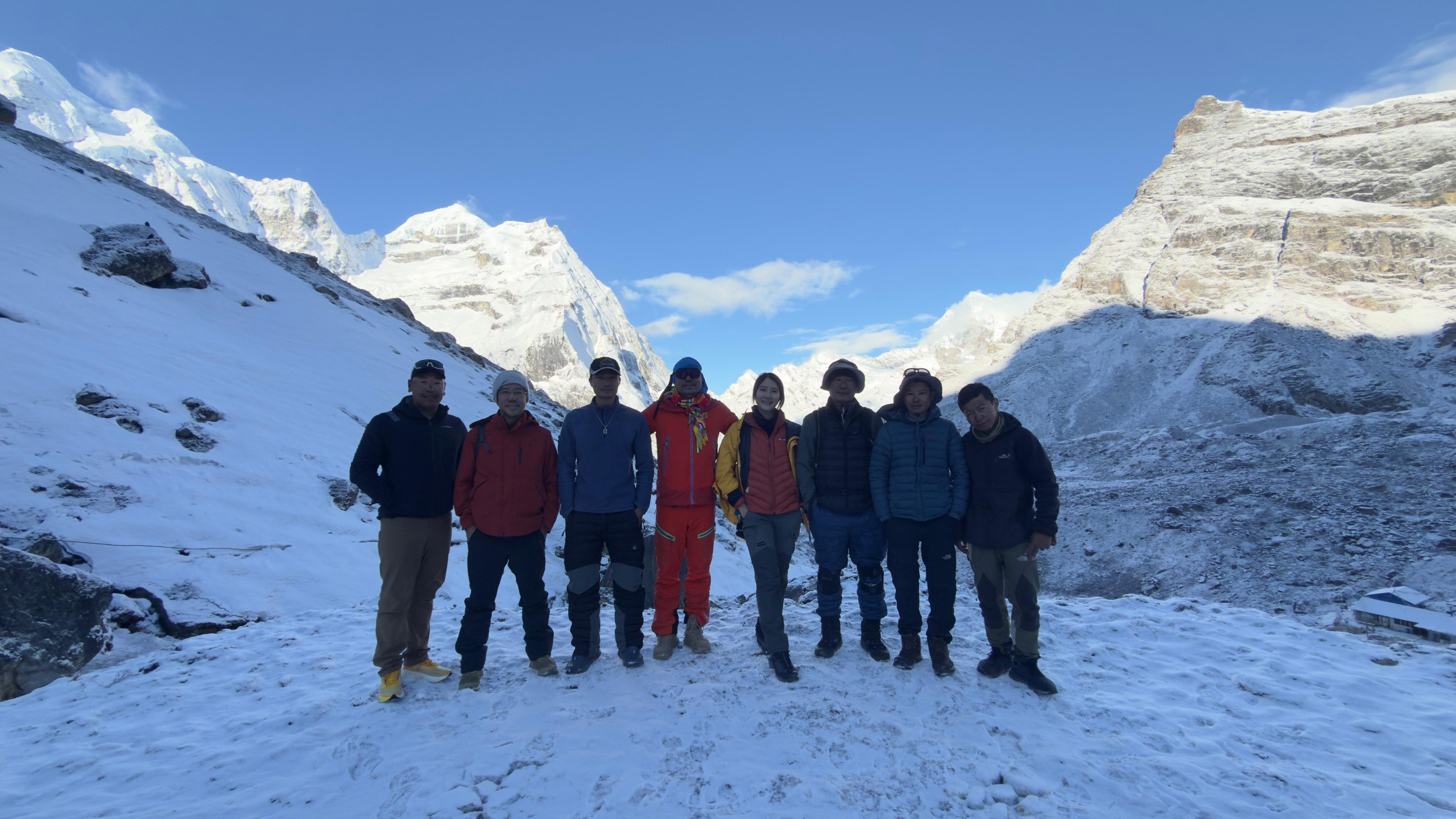
High-Altitude Mountaineering Challenges
High-altitude mountaineering in Nepal is one of the world's most demanding outdoor pursuits. Climbing peaks above 6,000 meters—and especially the legendary 8,000-meter giants such as Mount Everest, Manaslu, and Annapurna—requires far more than physical fitness. Climbers must overcome extreme weather, thin air, technical terrain, and mental fatigue while making sound decisions in one of the harshest environments on Earth. Understanding these challenges is essential for proper preparation and a successful expedition.
1. Extreme Altitude and Low Oxygen Levels
The greatest challenge during any Himalayan expedition is the dramatic reduction in oxygen as altitude increases. At elevations above 5,500 meters, the body receives significantly less oxygen with every breath, making even simple activities physically exhausting. Above 8,000 meters—commonly known as the Death Zone—oxygen levels are only about one-third of those at sea level. Climbers often experience shortness of breath, rapid fatigue, dizziness, headaches, and slower recovery. Many expeditions rely on supplemental oxygen at these extreme elevations to improve safety and increase summit success.
2. Altitude Sickness and Medical Risks
One of the most serious dangers in high-altitude mountaineering is altitude sickness. If the body does not acclimatize properly, climbers may develop Acute Mountain Sickness (AMS), which can progress to life-threatening conditions such as High Altitude Pulmonary Edema (HAPE) or High Altitude Cerebral Edema (HACE). Common symptoms include persistent headaches, nausea, vomiting, loss of appetite, dizziness, extreme fatigue, confusion, and difficulty breathing. Proper acclimatization, hydration, gradual ascent, and immediate descent when symptoms worsen are essential for preventing severe altitude-related illnesses.
3. Harsh and Unpredictable Weather
Weather in the Himalayas can change within minutes. Bright sunshine may quickly give way to heavy snowfall, powerful winds, freezing temperatures, or whiteout conditions that drastically reduce visibility. Wind speeds near mountain summits can exceed 100 km/h, while temperatures may fall below -30°C. Sudden storms can delay summit attempts, force climbers to retreat, or create dangerous climbing conditions. Expedition teams carefully monitor weather forecasts and choose summit windows only when conditions are favorable.
4. Technical Climbing Terrain
Many expedition peaks involve challenging technical sections that demand advanced mountaineering skills. Climbers must navigate glaciers, steep snow slopes, exposed rock faces, icy ridges, crevasses, and vertical ice walls. Fixed ropes, crampons, ice axes, ascenders, harnesses, helmets, and other technical equipment are often required. Even experienced climbers must remain focused, as a single mistake on technical terrain can have serious consequences.
5. Physical Endurance and Mental Strength
High-altitude expeditions test both the body and the mind. Climbers spend weeks trekking, acclimatizing, carrying equipment, and sleeping in remote mountain camps before making a summit attempt. Long climbing days often begin before midnight and may last 10 to 18 hours in freezing conditions. Physical exhaustion, lack of sleep, limited nutrition, and extreme cold place enormous stress on the body. Mental resilience, determination, patience, and sound judgment become just as important as physical strength.
6. Extreme Cold and Frostbite
Freezing temperatures are a constant challenge during Himalayan expeditions. Hands, feet, face, and exposed skin are particularly vulnerable to frostbite, especially during windy summit pushes. Climbers must wear high-quality insulated clothing, mountaineering boots, gloves, goggles, and layered equipment designed for extreme alpine environments. Proper clothing and careful management of body temperature are critical for both comfort and survival.
7. Remote Environment and Limited Rescue Options
Most expedition mountains in Nepal are located in isolated Himalayan regions where medical facilities and rescue services are limited. Although helicopter evacuations are available in many areas, severe weather and high elevations can delay rescue operations. Expedition teams must therefore be self-sufficient, carrying emergency medical supplies, communication devices, satellite equipment, and experienced guides capable of handling emergencies until assistance arrives.
8. Long Expedition Duration
Unlike shorter trekking adventures, major Himalayan expeditions often last between three and eight weeks. Climbers must adapt to living in tents, basic camp facilities, changing weather, and physically demanding daily routines. Remaining healthy, motivated, and mentally focused throughout the expedition is essential for reaching the summit safely.
9. Equipment Management
Success on a Himalayan expedition depends heavily on reliable mountaineering equipment. Climbers must know how to properly use crampons, ice axes, ropes, helmets, harnesses, ascenders, down suits, sleeping bags, oxygen systems, and high-altitude boots. Poor-quality equipment or inadequate preparation can compromise both safety and climbing performance.
10. Decision-Making Under Pressure
One of the greatest challenges in high-altitude mountaineering is knowing when to continue and when to turn back. Summit fever can lead climbers to ignore deteriorating weather, exhaustion, or altitude sickness. Experienced expedition leaders prioritize safety above reaching the summit, recognizing that the mountain will always remain, but every climber must return safely.
At Outward Adventure Treks, we understand that every Himalayan expedition presents unique physical and environmental challenges. Our experienced climbing guides and professional Sherpa team carefully plan each expedition with proper acclimatization schedules, detailed safety protocols, high-quality logistics, reliable equipment support, and continuous weather monitoring. From pre-expedition preparation to your successful summit and safe return, we are committed to helping climbers overcome the challenges of high-altitude mountaineering with confidence, professionalism, and the highest standards of safety.
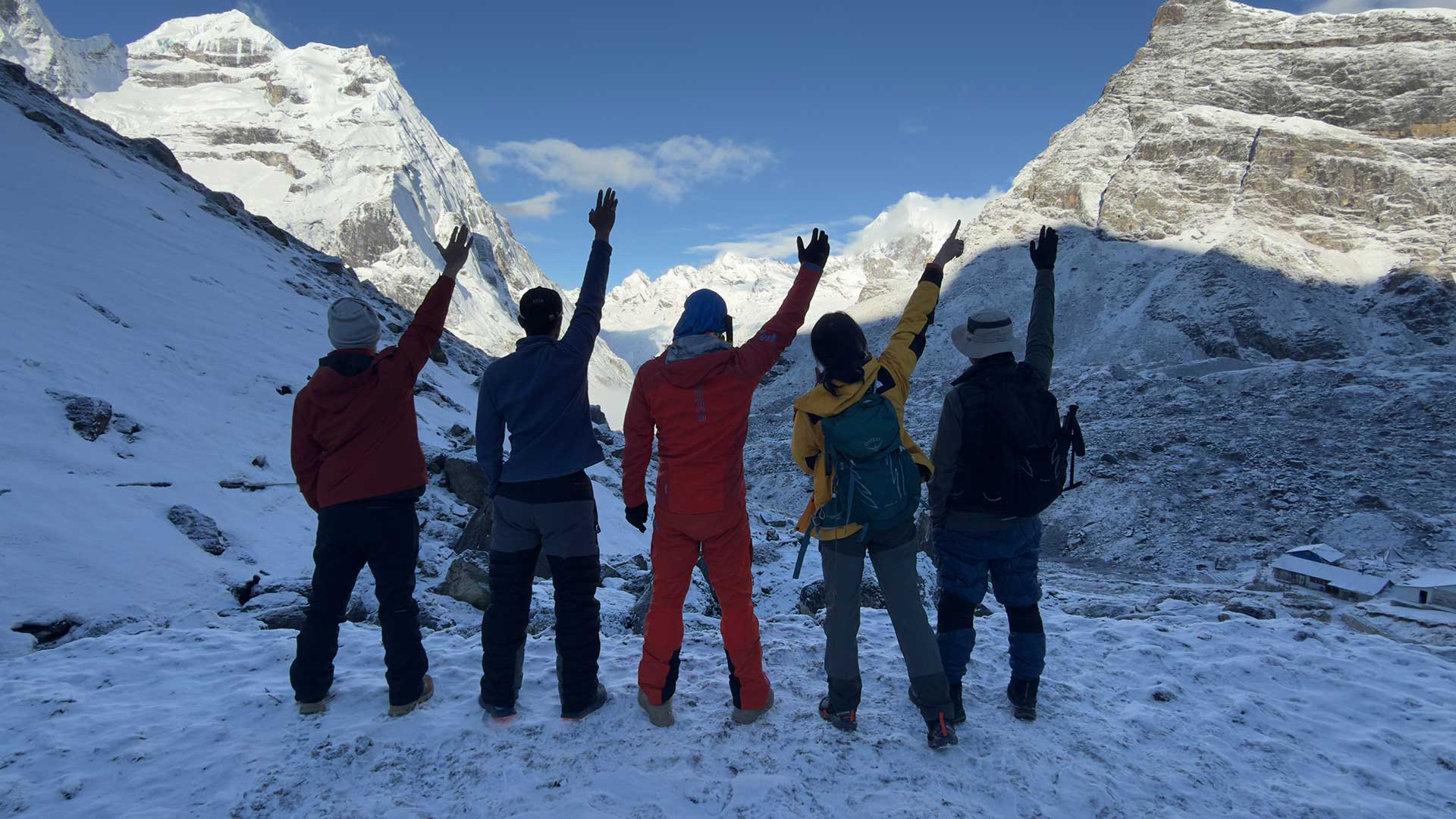
Choosing the right expedition company is one of the most important decisions when planning a Himalayan climb. At Outward Adventure Treks, we are committed to providing safe, professionally organized, and successful mountaineering expeditions across Nepal's most iconic peaks. With years of experience in Himalayan expeditions, our expert team ensures every climber receives personalized support from the initial planning stage to the summit and back.
Our every Nepal expeditions are led by experienced, government-licensed climbing guides and highly skilled Sherpa mountaineers who possess extensive knowledge of Nepal's high-altitude terrain, weather conditions, and climbing routes. Their expertise, combined with a strong focus on safety, greatly enhances your chances of a successful and enjoyable expedition.
We carefully design each itinerary with proper acclimatization schedules to reduce the risk of altitude sickness while maximizing summit success. Every expedition includes comprehensive logistics, including climbing permits, domestic flights, ground transportation, quality camping equipment, base camp management, meals, and accommodation. This allows climbers to focus entirely on their preparation and the climbing experience.
Safety is at the core of everything we do. Our expeditions utilize reliable communication systems, updated weather forecasts, emergency response planning, and professional support throughout the journey. For high-altitude expeditions, we provide well-managed oxygen systems, fixed rope coordination, and experienced Sherpa assistance where required, ensuring international safety standards are maintained.
Outward Adventure Treks believes every climber has unique goals and abilities. Whether you are attempting your first Himalayan expedition or pursuing an 8,000-meter summit, we provide personalized guidance before, during, and after your climb. Our team assists with training recommendations, equipment selection, travel planning, and expedition preparation to help you arrive fully prepared.
We are also committed to responsible and sustainable mountain tourism. We respect local cultures, support Himalayan communities, employ experienced local staff, and promote environmentally responsible expedition practices that help preserve Nepal's mountain ecosystems for future generations.
From the legendary Mount Everest and Manaslu to Himlung Himal, Ama Dablam, Baruntse, and other spectacular Himalayan peaks, Outward Adventure Treks offers professionally managed expeditions that combine safety, expertise, exceptional service, and unforgettable adventure. When you choose Outward Adventure Treks, you are partnering with a trusted Himalayan expedition company dedicated to helping you achieve your mountaineering goals while creating lifelong memories in the heart of the Nepal Himalayas.
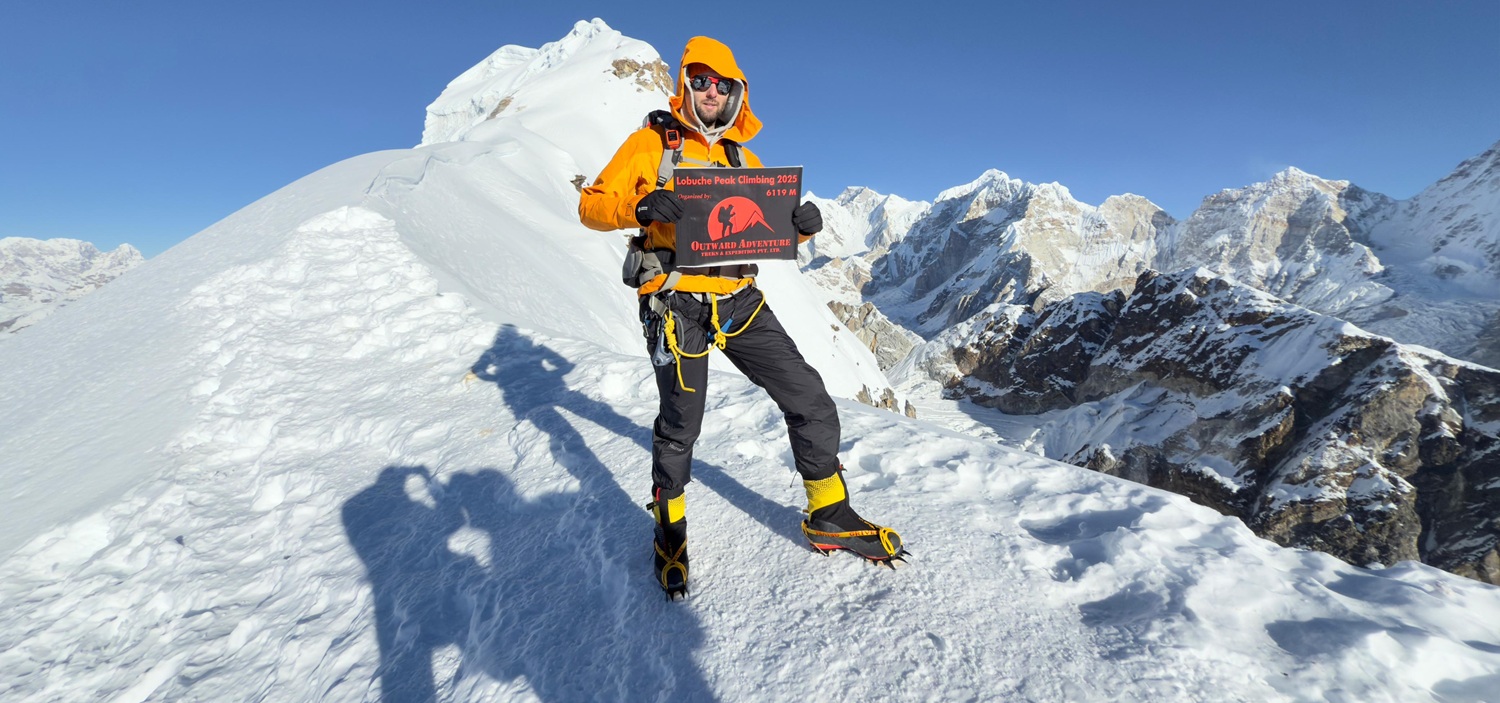
An expedition in Nepal represents the highest level of adventure travel and mountaineering, offering climbers the rare opportunity to explore the world's most spectacular mountain landscapes while testing their physical strength, technical skills, and mental determination. Home to eight of the world's fourteen 8,000-meter peaks—including Mount Everest, Lhotse, Manaslu, Dhaulagiri, Annapurna, Makalu, Cho Oyu, and Kanchenjunga—Nepal has earned its reputation as the global capital of high-altitude mountaineering. Every expedition is a remarkable journey through towering glaciers, rugged alpine terrain, pristine valleys, ancient monasteries, and welcoming Sherpa communities, creating an experience that extends far beyond reaching the summit.
Whether your ambition is to climb the world's highest mountain, complete your first Himalayan expedition, or conquer a technically demanding alpine peak, success depends on careful planning, structured acclimatization, professional leadership, quality equipment, and sound decision-making. High-altitude climbing presents unique challenges, including reduced oxygen levels, unpredictable weather, technical terrain, and extreme temperatures. These conditions make proper preparation and experienced expedition support essential for both safety and summit success.
Choosing the right expedition company can make the difference between a successful, enjoyable climb and an unnecessarily risky experience. A professionally organized expedition ensures every aspect of your journey is carefully managed—from permit processing, expedition logistics, transportation, accommodation, and base camp services to experienced Sherpa support, licensed climbing guides, fixed rope coordination, weather forecasting, emergency response planning, and post-expedition assistance. With a knowledgeable and reliable team behind you, you can focus on climbing confidently while enjoying one of the most extraordinary adventures on Earth.
At Outward Adventure Treks, we are passionate about delivering world-class Himalayan expeditions built on safety, professionalism, and personalized service. Our experienced expedition leaders, certified climbing guides, and highly skilled Sherpa team have extensive knowledge of Nepal's mountains and understand the unique demands of high-altitude climbing. Every itinerary is thoughtfully designed to maximize acclimatization, enhance summit success, and prioritize the well-being of every climber. We combine international safety standards with local expertise, ensuring that every expedition is both challenging and rewarding.
Our expedition portfolio includes some of Nepal's most sought-after mountaineering objectives, including Mount Everest Expedition, Manaslu Expedition, Himlung Himal Expedition, Ama Dablam Expedition, Baruntse Expedition, Putha Hiunchuli Expedition, Lobuche Peak Climbing, Island Peak Climbing, Mera Peak Climbing, and many other Himalayan adventures. Whether you are progressing from trekking peaks to major expeditions or pursuing your next 8,000-meter summit, our team provides the guidance, logistics, and support needed to help you achieve your goals with confidence.
Beyond the climb itself, every expedition contributes to a deeper appreciation of Nepal's extraordinary natural beauty and cultural heritage. You'll experience breathtaking Himalayan panoramas, traditional mountain villages, centuries-old Buddhist monasteries, colorful prayer flags, glacial landscapes, and the legendary hospitality of the Sherpa people. These moments create lasting memories that stay with climbers long after they descend from the mountain.
If you are searching for the best expedition company in Nepal, guided Himalayan expeditions, Mount Everest expedition packages, professional Sherpa-guided climbing, or safe and reliable mountaineering adventures in Nepal, Outward Adventure Treks is your trusted partner. Our commitment to excellence, transparent service, responsible tourism, and client satisfaction has made us a preferred choice for climbers from around the world.
Your Himalayan dream begins with the right preparation and the right team. Whether you aspire to stand on the summit of Mount Everest, conquer a challenging Himalayan peak, or embark on your first high-altitude expedition, Outward Adventure Treks is ready to guide you every step of the way. Contact our expedition specialists today to customize your climbing adventure and experience the unmatched beauty, challenge, and achievement that only an expedition in Nepal can offer. Your journey to the roof of the world starts here.
 Jul 21, 2026
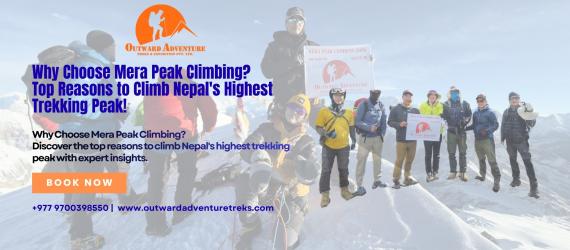
Standing at 6,476 meters (21,247 ft), Mera Peak is Nepal's highest trekking peak and one of the world's most rewarding h...
Read More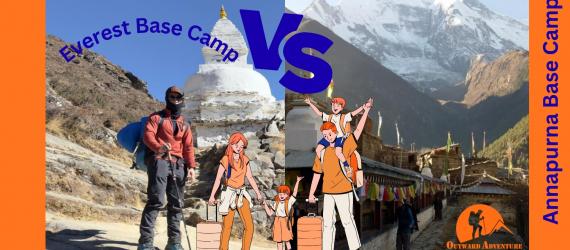 Jul 14, 2026
Planning a Himalayan adventure in 2027? Everest Base Camp vs Annapurna Base Camp Trek is one of the most searched compar...
Read More Jul 09, 2026
Planning your 2027 Island Peak and Everest Base Camp Trek is your opportunity to experience two of Nepal's most iconic H...
Read More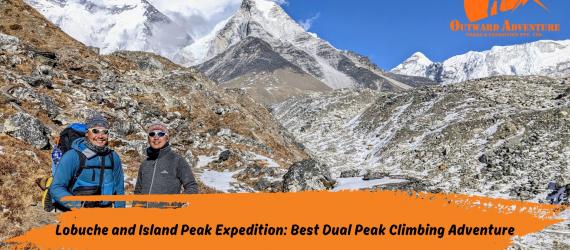 Jun 28, 2026
Combined Lobuche and Island Peak Climbing is one of Nepal's most rewarding and challenging alpine adventures, offering e...
Read More
Leave a Comment