Any Questions? Email Us
Talk to an Expert
The Ama Dablam Base Camp Trek is a high-altitude hiking route located in Nepal’s Khumbu region, designed to bring trekkers to the base of the iconic Ama Dablam peak, which stands at 6,812 meters. The journey begins with a flight from Kathmandu to Lukla, a small mountain airstrip situated at 2,860 meters, marking the official start of the trek.
From Lukla, the trail descends initially to Phakding before steadily climbing toward Namche Bazaar, the bustling Sherpa hub at 3,440 meters. The route then continues through rhododendron forests, across suspension bridges, and past traditional villages, gradually gaining elevation until reaching Tengboche Monastery, a key cultural landmark at 3,860 meters.
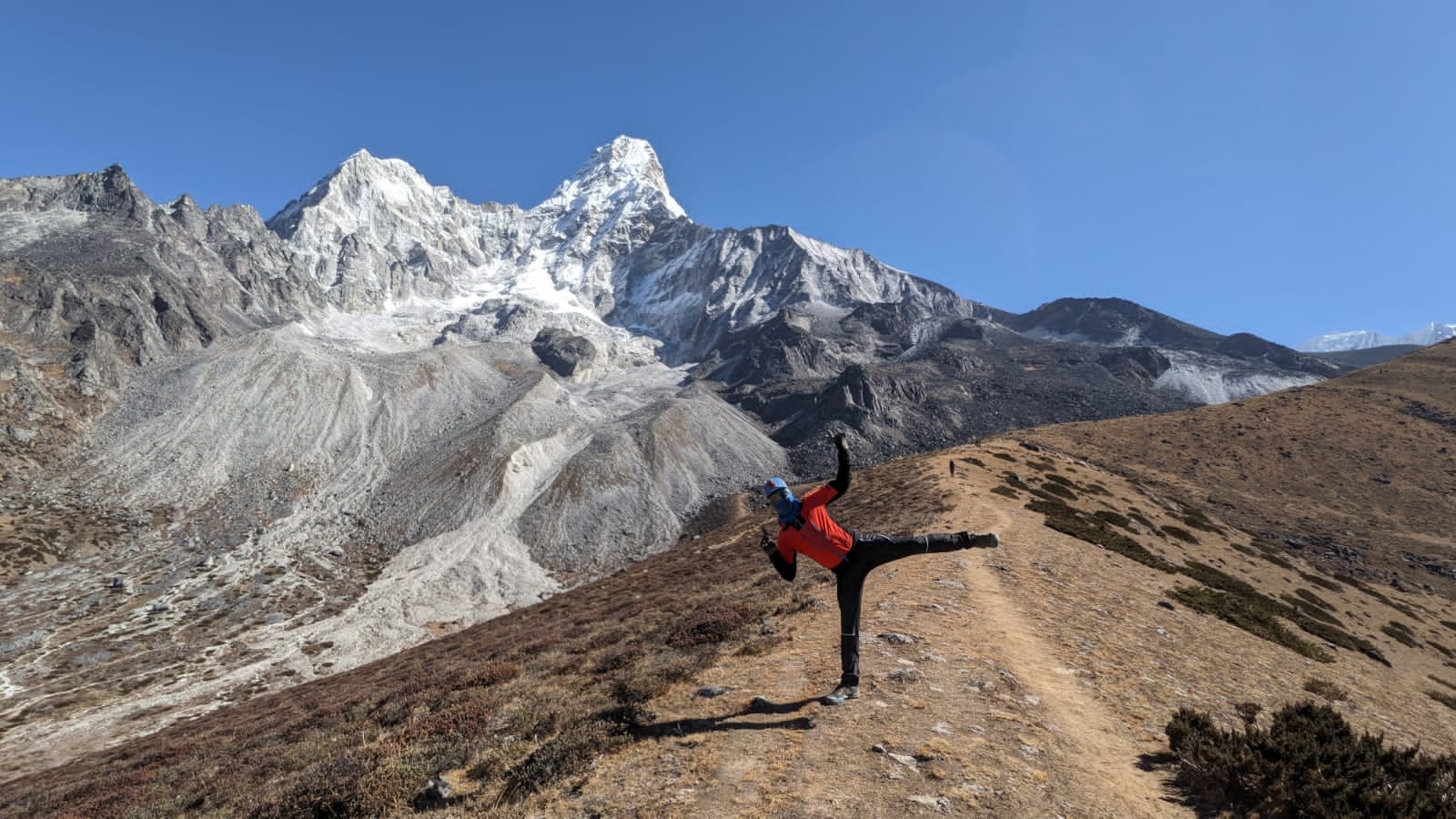
Beyond Tengboche, the path leads to Pangboche, the last permanent settlement before the base camp, and finally ascends to Ama Dablam Base Camp at 4,600 meters, where trekkers are rewarded with dramatic close-up views of the mountain’s striking south face. The return follows the same route, descending through Namche Bazaar and concluding back in Lukla.
The terrain encountered on this trek varies significantly, beginning with relatively gentle forested trails and river valleys before transitioning into steep, rocky ascents as elevation increases. The final push to the base camp involves rugged, uneven paths with loose scree, requiring careful footing.
Despite not being a technical climb, the trek is physically demanding due to sustained uphill hiking, high-altitude exposure, and the necessity for proper acclimatization to avoid altitude sickness. The risk of acute mountain sickness (AMS) is a serious consideration, particularly beyond Namche Bazaar, making rest days and gradual ascent protocols essential.
Weather conditions can shift rapidly, with temperatures ranging from below freezing at night to moderately warm during the day, depending on the season. Precipitation, including snow at higher elevations, is possible, especially outside the optimal trekking windows, necessitating appropriate gear and contingency planning.
Logistically, the trek relies on a network of teahouses—basic mountain lodges that provide shelter and meals—though amenities become more sparse at higher elevations. Food options are limited, typically consisting of dal bhat (rice and lentils), noodles, and simple Western dishes, with drinking water obtained from natural sources that must be treated before consumption.
Communication is unreliable beyond Namche Bazaar, where limited Wi-Fi is available for a fee, and cellular coverage is sporadic. Due to the remote nature of the trek, emergency evacuation relies on helicopter rescue, making travel insurance with high-altitude coverage mandatory.
The best time to undertake the trek is during the pre- and post-monsoon seasons (October-November and March-April), when skies are clear, temperatures are stable, and trail conditions are at their most favorable. Monsoon season (June-September) brings heavy rain and obscured views, while winter (December-February) introduces extreme cold and potential route closures due to snow.

In summary, the Ama Dablam Base Camp Trek is a strenuous but rewarding journey that demands physical fitness, careful acclimatization, and preparation for variable mountain conditions. While not requiring technical climbing skills, the high-altitude environment and rugged terrain make it unsuitable for inexperienced hikers without proper guidance.
Success depends on respecting altitude limits, maintaining a conservative pace, and being equipped for sudden weather changes. For those well-prepared, the trek offers unparalleled views of one of the Himalayas’ most visually striking peaks, along with an immersive experience in the heart of Sherpa culture.
Day 1: Arrival at Tribhuwan International Airport (TIA), in the capital – Kathmandu (4,390ft / 1,338m), Nepal.
Day 2: Pre-trip meeting at Kathmandu (4,390ft / 1,338m), Trip Preparation and Gear Checking
Day 3: Flight from Kathmandu (1,400m / 4,593ft) to Lukla (2,850m / 9,350ft) Trek to Phakding (2,650m / 8,562ft)
Day 4: Trek from Phakding (2,650m / 8,562ft ) to Namche Bazaar (3,440m / 11,285ft)
Day 5: Rest day and acclimatization at Namche Bazaar (3,440m / 11,285ft)
Day 6: Trek from Namche (3,440m / 11,285ft) to Tengboche (3,855m / 12,850ft) 5 hrs.
Day 7: Trek from Tengboche (3,855m / 12,850ft) to Ama Dablam Base Camp (4,570m/14,994ft) 5 hrs..
Day 8: Explore Ama Dablam Base Camp (4,570m/14,994ft) and its Surroundings/ Hike to High Camp
Day 9: Trek Ama Dablam Base Camp (4,570m/14,994ft) to Pangboche (3,930 m | 12,894 ft)
Day 10: Trek back – Pangboche (3,930 m | 12,894 ft.) to Namche Bazar
Day 11: Trek Namche Bazar (3,440m / 11,285ft)to Lukla
Day 12: Fly Lukla (2,850m / 9,350ft) to Kathmandu (4,390ft / 1,338m),
Day 13: International Departure
We land at Tribhuwan International Airport where the vibrant energy of Nepal immediately envelops us. After clearing customs, our Outward Adventure representative greets us with warm smiles and traditional khata scarves. The drive to our hotel offers our first glimpse of Kathmandu's colorful streets - motorbikes weaving through traffic, street vendors selling fresh fruit, and the scent of incense wafting from sidewalk shrines.
After settling in, we gather on the hotel rooftop where the sunset paints the surrounding hills gold. Over steaming cups of masala tea, our lead guide outlines the incredible journey ahead while we sample our first plate of authentic momos. The evening ends with preliminary gear checks under the glow of hurricane lamps, the excitement making it hard to sleep despite our jetlag.
Morning sunlight streams through our windows as we begin serious expedition preparations. We transform the hotel courtyard into a gear inspection zone, spreading equipment like a mountaineering bazaar. Our guides demonstrate proper layering techniques while a local amchi (traditional healer) teaches us to identify altitude-relief herbs we'll encounter on trail.
In the day, we visit different places, complete gear buying/hiring etc. As dusk falls, we enjoy a farewell feast at a traditional Newari restaurant, sampling buffalo momos and home-brewed tongba while our guides share personal summit stories.
Adrenaline surges as our Twin Otter aircraft banks sharply between mountain walls to land on Lukla's famous inclined runway. The airfield buzzes with activity - yaks being loaded, porters laughing, and trekkers from around the world beginning their journeys. After organizing gear, we hit the trail descending through fragrant pine forests alongside the Dudh Koshi River.
The path winds through traditional Sherpa villages where prayer wheels spin with each passing traveler. We cross several suspension bridges adorned with colorful prayer flags, their fluttering becoming the soundtrack of our trek. At Phakding, our first mountain lodge welcomes us with steaming ginger tea and thick yak wool blankets. As night falls, distant monastery bells mix with the river's constant murmur.
Morning mist rises from the river as we begin our climb toward legendary Namche Bazaar. The trail alternates between pine-shaded paths and exposed cliffside sections with our first glimpses of snow-capped peaks. At Monjo, we enter Sagarmatha National Park, our permits carefully checked by uniformed rangers.
The final ascent up Namche Hill leaves us breathless in both effort and awe. Rounding the last bend, Namche appears like a mirage - colorful buildings terraced into the mountainside. After hot showers, we explore the bustling market where Tibetan traders sell everything from climbing gear to handmade jewelry. Evening finds us around the dining room's iron stove, swapping stories with international trekkers over Sherpa stew.
We wake to crystal-clear skies and our first unobstructed view of Everest's summit pyramid floating above morning clouds. Our "active rest" takes us to the Everest View Hotel, where we sip Himalayan tea on what must be the world's most spectacular terrace. The thinning air reminds us to pace ourselves as we spot Ama Dablam's distinctive shape - our constant companion in coming days.
Back in Namche, we visit the Sherpa Culture Museum and its fascinating exhibit on high-altitude physiology. A local lama demonstrates traditional prayer flag printing using woodblocks and natural dyes. At the Himalayan Rescue Association clinic, doctors explain altitude medicine while we enjoy fresh apple pie at Namche's famous German Bakery.
Morning light gilds the peaks as we climb out of Namche, the trail offering ever-expanding mountain vistas. At Kyangjuma, we spot our first musk deer grazing in rhododendron thickets. The descent to Phunki Tenga crosses swaying suspension bridges where prayer flags snap in the wind.
The afternoon ascent to Tengboche tests our lungs but rewards us with the region's most important monastery. We arrive during evening prayers, the haunting drone of long horns and chanting monks creating an unforgettable atmosphere. As sunset paints Everest pink, we explore the monastery's intricate murals depicting Buddhist cosmology.
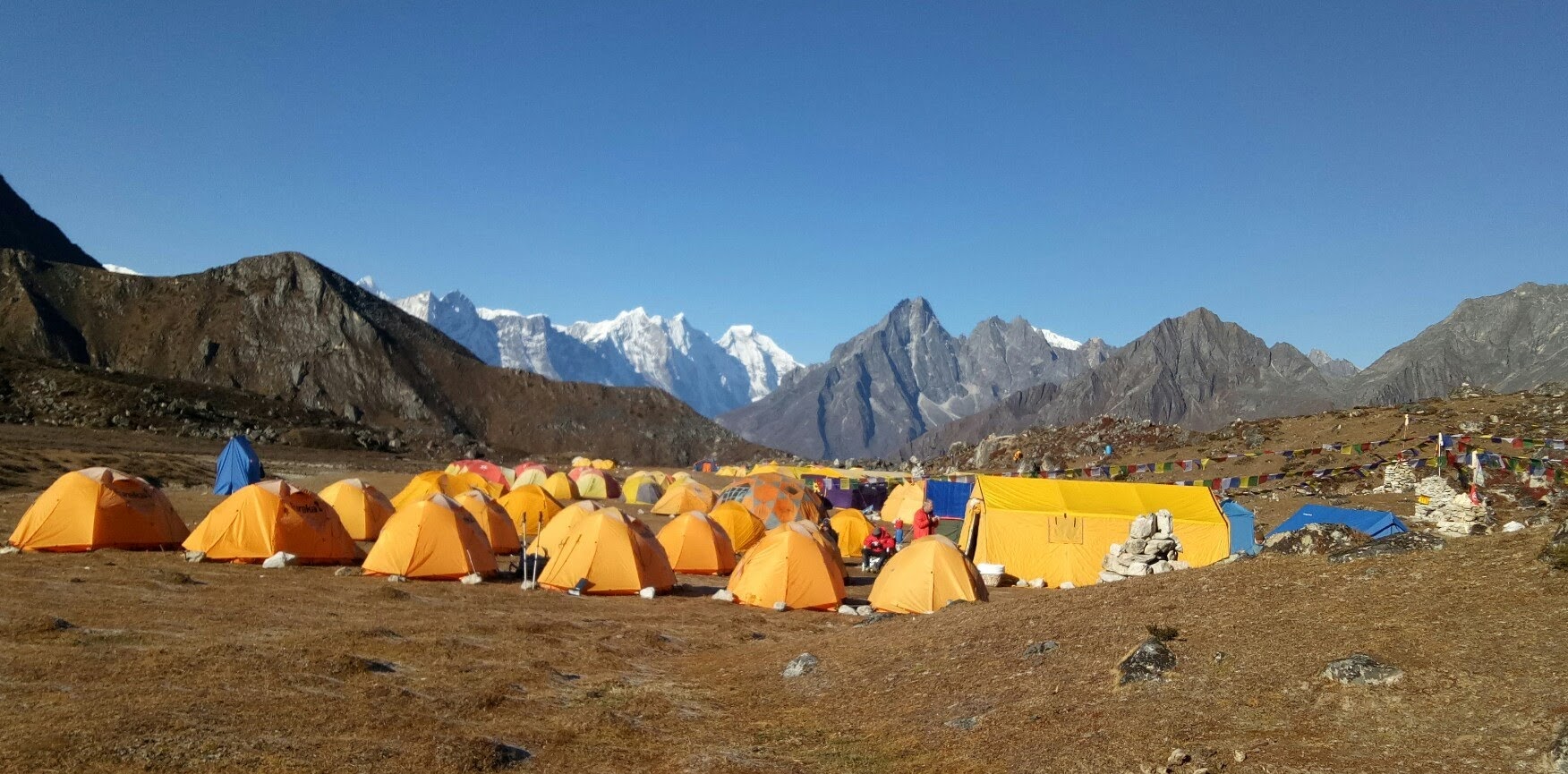
Today's trail winds through summer pastures where yaks graze beneath Ama Dablam's towering walls. The mountain's iconic shape grows ever larger as we ascend, its hanging glaciers glinting in the sunlight. At the base camp, colorful expedition tents dot the moraine like mushrooms after rain.
We settle into our own comfortable camp, the sounds of cracking ice and rumbling avalanches reminding us of the mountain's power. After lunch, we scout the initial route, practicing crampon techniques on nearby slopes. As dusk falls, the temperature plummets and we retreat to our dining tent for hot drinks and summit strategy discussions.
Morning sunlight illuminates Ama Dablam's famous "Dablam" (hanging glacier) as we begin our acclimatization hike. The trail winds through boulder fields to a vantage point offering 360-degree views of Everest, Lhotse, and Makalu. Our guides point out the climbing route - a serpentine line weaving through icefalls and rock bands.
After lunch, we ascend to advanced base camp (5,100m), testing our gear on steeper terrain. Returning to main base camp, we're treated to a surprise - fresh vegetables airlifted from Kathmandu! As night falls, we watch headlamps of other expeditions moving high on the mountain, their progress tracked by occasional icefall collapses echoing through the valley.
Leaving base camp feels bittersweet as we take final photos of Ama Dablam's perfect pyramid. The descent through rhododendron forests feels like walking through seasons - each lower altitude bringing warmer air and greener landscapes. At Pangboche, we visit the ancient monastery said to house a yeti scalp.
The village's stone houses and potato fields offer a glimpse of traditional Sherpa life unchanged for centuries. We're invited for tea in a local home where the grandmother shows us her hand-woven wool blankets. Evening finds us in the lodge dining room, playing cards with our crew by butter lamp light.
Retracing our steps down the Imja Khola valley, we notice details missed on the ascent - intricate mani walls, hidden waterfalls, and tiny alpine flowers pushing through rocks. At Tengboche, we stop to spin the giant prayer wheels one last time.
The final climb to Namche feels easier with our acclimatized lungs. Arriving in the late afternoon, we celebrate with hot showers and cold Everest beers at the Liquid Bar. The lively atmosphere of trekkers sharing stories reminds us how far we've come since our first nervous days on trail.
Our final trekking day follows the Dudh Koshi downstream through familiar villages. At Phakding, we stop for lunch where we'd begun our journey weeks before. The trail is busy with new trekkers just starting their adventures - we exchange knowing smiles and words of encouragement.
Lukla's airstrip appears suddenly, marking the end of our mountain journey. We celebrate with our crew at a lively farewell dinner, presenting tips and small gifts. The lodge's dining room echoes with laughter and Nepali folk songs late into the night, a fitting end to our Himalayan adventure
The morning flight treats us to one last breathtaking view of the Himalayas as our plane banks between peaks. Back in Kathmandu, the sudden heat and noise feel overwhelming after weeks in the mountains. We check into our hotel with time for last-minute shopping in Thamel's maze-like alleys.
Our farewell dinner features cultural performances and a slideshow of our journey. Watching photos of frozen beards, prayer flags, and summit views flash by, we realize no image can capture the personal transformations we've experienced. The blend of exhaustion and accomplishment makes for a bittersweet final evening together.
Morning finds us packing carefully - dirty gear separated from clean, souvenirs wrapped in spare socks. Some visit nearby temples for final blessings while others enjoy a leisurely breakfast recalling trip highlights. At the airport, we exchange heartfelt goodbyes with our guide team, promising to share photos and stay in touch.
As the plane lifts off, we press foreheads to windows for a final glimpse of the Himalayas between clouds. Somewhere over the Gangetic Plain, it hits us: we didn't just visit the mountains; we let them visit us. Their lessons - patience from altitude's forced slowdown, resilience from pushing beyond perceived limits - will surface unexpectedly in our daily lives back home. And though our boots may dry, part of us will forever walk those high trails where prayer flags snap in the wind and yaks' bells chime like temple gongs. Until next time, Himal.
Transportation
Food and Accommodation
Staff
Permits and Tariffs
Additional
During the peak summit hours or busy trekking seasons —Spring and Autumn (March, April, May, October, and November) —most flights to and from Lukla are operated from Ramechhap (Manthali) airport rather than Kathmandu airport due to heavy air traffic congestion.
For that, travelers have two options: either move to Ramechhap earlier in the day, or start the journey around 12:30 am to catch the morning flight, as it is a five-hour drive from Kathmandu. So that you can fly to Lukla and start your trek. In other months, the flights are normally conducted from Kathmandu airport itself.
And, it is common to have weather-related delays on the Lukla route; you are recommended to add at least two extra days to your schedule to avoid missing your international flight.
The best time to undertake the Ama Dablam Base Camp Trek is during the pre- and post-monsoon seasons, which offer the most stable weather conditions and clear mountain views. The primary trekking window falls between October and November, when the monsoon rains have subsided, leaving behind crisp air, vibrant blue skies, and unobstructed panoramas of the Himalayas. During this period, temperatures are moderate, with daytime highs ranging between 10°C to 15°C at lower elevations and dropping to near or below freezing at night, particularly above 4,000 meters. The trails are dry and well-defined, making for comfortable hiking, while the visibility is at its peak, allowing for stunning views of Ama Dablam, Everest, Lhotse, and other surrounding peaks. This season also coincides with Nepal’s major festivals, such as Dashain and Tihar, offering trekkers a chance to experience local Sherpa culture in full swing.
A secondary favorable period for the trek is March to April, during the spring season, when the weather begins to warm after winter. The days are longer, and the rhododendron forests along the trail burst into vibrant bloom, adding a splash of color to the landscape. Temperatures during these months are slightly cooler than in autumn, with daytime highs around 5°C to 12°C at higher altitudes, but the skies remain mostly clear, and the chances of precipitation are low. This season is ideal for those who prefer fewer crowds compared to the busy autumn months, though occasional afternoon cloud buildup can sometimes obscure mountain views. Additionally, spring marks the beginning of the Everest climbing season, so trekkers may encounter expedition teams preparing for their summit attempts, adding an extra layer of excitement to the journey.
The monsoon season (June to September) is generally considered the least favorable time for the Ama Dablam Base Camp Trek due to heavy rainfall, slippery trails, and frequent cloud cover that obscures mountain vistas. The trails can become muddy and leech-infested, while landslides occasionally disrupt routes, particularly around the lower elevations. Similarly, winter (December to February) presents significant challenges, with freezing temperatures, snow-covered paths, and potential teahouse closures at higher altitudes. While the winter landscape is breathtakingly serene, the extreme cold and shorter daylight hours make trekking more strenuous and risky, especially for those unaccustomed to sub-zero conditions.
Ultimately, the optimal trekking seasons for Ama Dablam Base Camp are autumn (October-November) and spring (March-April), when weather stability, trail conditions, and visibility are at their best. Choosing the right time ensures not only a safer and more enjoyable experience but also maximizes the chances of witnessing the majestic Himalayan scenery in all its glory.