
Any Questions? Email Us
Talk to an Expert

Mera Peak (6,476 meters), the highest trekking peak in Nepal, lies in the Everest Region of north-eastern Nepal. It is one of the most popular trekking peaks in Nepal for all travel enthusiasts from around the globe.
Mera Peak Climbing is a non-technical journey that helps witness Mount Everest (8848.86m) Kanchenjunga (8,586m), Lhotse (8,516m), Makalu (8,485m), Cho Oyu (8,201m) and other notable peaks like Nuptse (7,861m), Chamlang (7,319m), Baruntse (7,168m), Lhotse Shar (8393m), Ama Dablam (6,,812m), Kangtega (6685m) and dozens others of the entire Khumbu region and the chance to experience the high Himalayas make it a bucket-list climb.
However, successful ascent requires preparation, determination, and careful planning. In this blog, we share the top 10 tips for preparing for Mera Peak climbing to ensure an unforgettable and safe experience, drawing on the previous experiences of our Sherpa leaders.
Whether you are a seasoned mountaineer or a passionate trekker, these tips will help you optimize your preparation and enjoy a smooth journey to the summit. And if you are planning your trip with Outward Adventure Treks, you are already on the right path to a professional and hassle-free expedition.

Climbing Mera Peak demands a strong combination of endurance, strength, and flexibility. Since high-altitude trekking involves long hours of walking, carrying gear, and coping with reduced oxygen levels, it’s essential to start physical conditioning early. Begin your fitness preparation at least two to three months before the climb with regular cardio exercises like running, cycling, or swimming, aiming for four to five sessions per week.
Complement this with strength training focused on your legs, core, and back - squats, lunges, deadlifts, and planks are particularly effective. Practicing hikes with a backpack is equally important; gradually increase the weight to simulate real trek conditions. If possible, train at higher elevations or use stair climbing to mimic altitude challenges. Consistent physical preparation not only builds stamina but also helps prevent injuries during the expedition.

Another crucial aspect of Mera Peak climbing is proper acclimatization to avoid altitude sickness. With a summit that rises above 6,400 meters, the human body needs sufficient time to adjust to the thin air. Following the golden rule of “climb high, sleep low” allows for gradual adaptation.
Rest days should be strategically scheduled at key points such as Khare and Mera Peak High Camp. Staying hydrated, eating well, and avoiding alcohol are essential. It’s equally important to recognize early symptoms of altitude sickness, such as headaches, nausea, dizziness, or shortness of breath, and to descend immediately if these symptoms worsen. Those who take acclimatization seriously often enjoy a smoother climb and a safer, more successful summit experience.

Choosing the right climbing season greatly influences the safety and enjoyment of your adventure. The most favorable times to climb Mera Peak are during the pre-monsoon season (March to May) and post-monsoon season (September to November). These periods offer clear skies with breathtaking Himalayan views, stable weather, and safer trails, reducing the risk of landslides and snowstorms.
Temperatures are also moderate, making camping and climbing more comfortable. Outward Adventure Treks offers customized packages during these prime seasons, ensuring well-planned itineraries and expert guidance for an unforgettable experience.
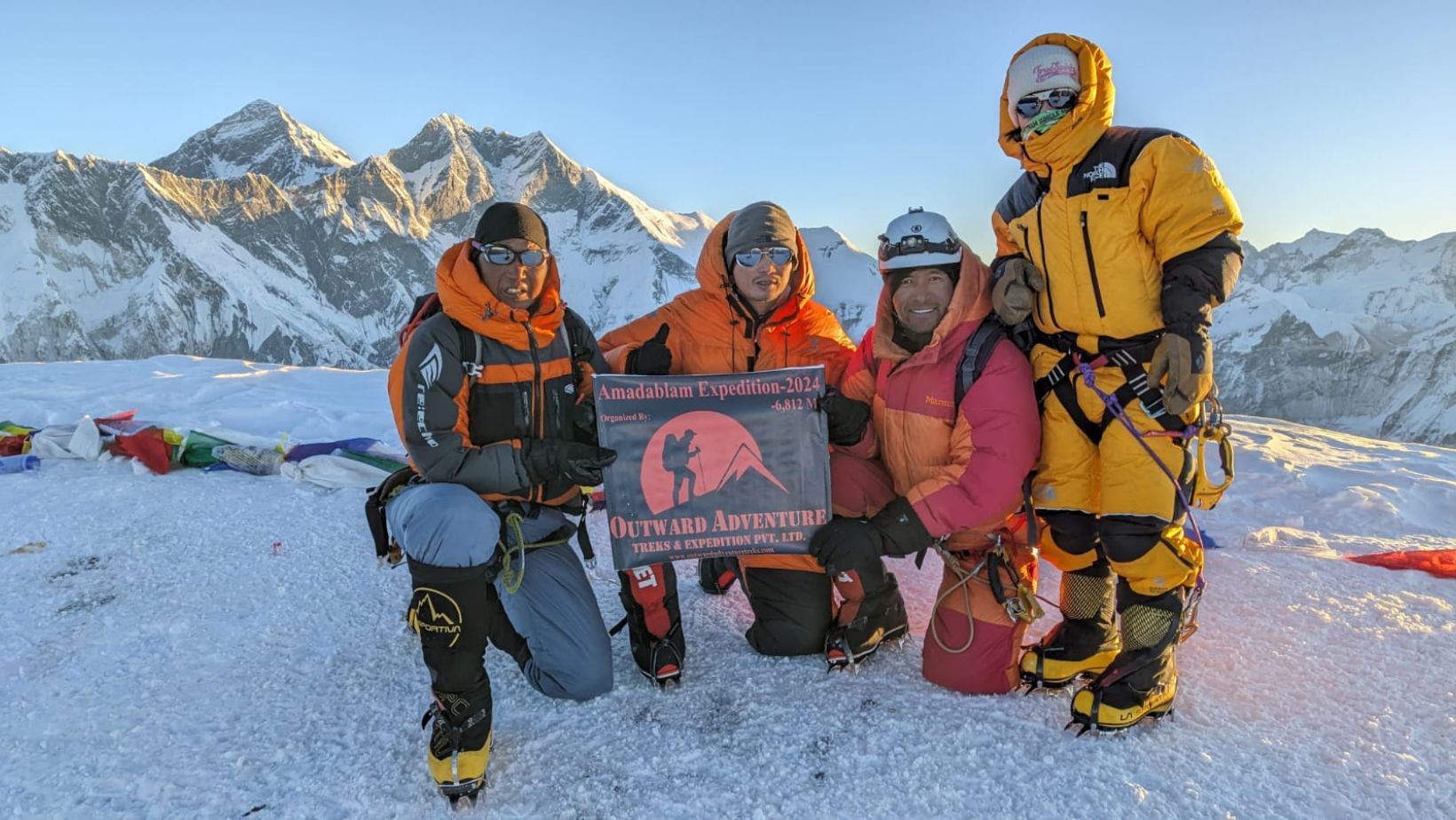
Equally important is selecting a reliable trekking and climbing agency. Partnering with a professional operator ensures not only safety and organization but also access to quality equipment and experienced guides. Outward Adventure Treks stands out for its expert Sherpa guides and high-altitude climbing support, comprehensive packages that include permits, meals, and accommodations, and well-prepared emergency evacuation plans. Their local expertise and deep knowledge of the Everest region add a significant advantage, making your Mera Peak adventure seamless, safe, and stress-free.

Investing in quality gear and equipment is essential for success. The right gear can make a world of difference between a comfortable climb and a difficult one. Essential mountaineering items include sturdy boots compatible with crampons, thermal layers, down jackets, and windproof outerwear.
You’ll also need a climbing harness, helmet, ice axe, and crampons, along with trekking poles, gloves, and headlamps for support and safety. Don’t forget high-altitude essentials like sunglasses, sunscreen, and water bottles. Fortunately, many agencies, including Outward Adventure Treks, can assist with renting or providing technical equipment, allowing climbers to travel lighter and focus more on the climb itself.
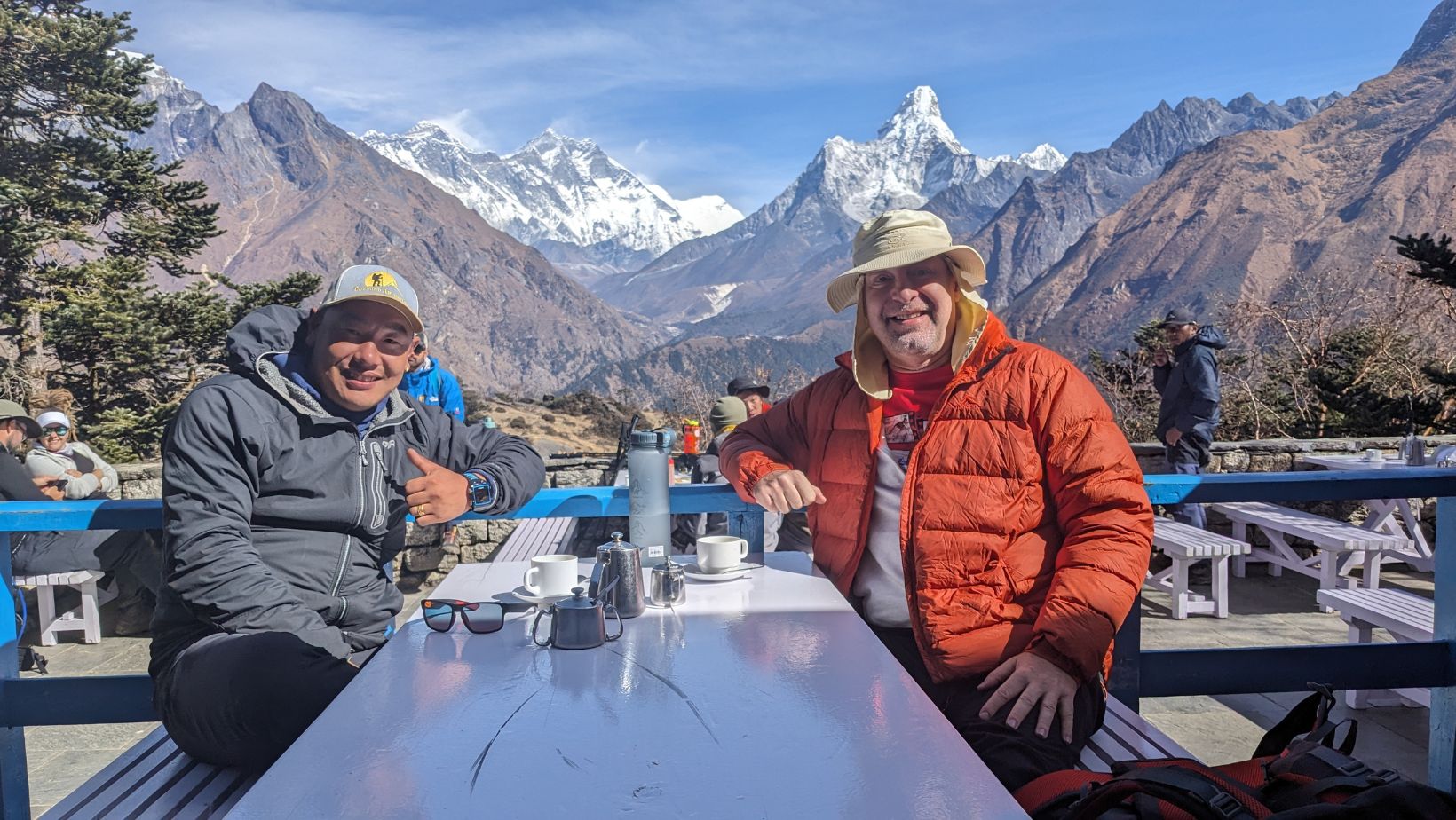
Proper nutrition and hydration are crucial when preparing for Mera Peak climbing. The high-altitude environment demands more energy than usual, and the body needs the right fuel to maintain stamina and prevent fatigue. Before the expedition, focus on a balanced diet rich in carbohydrates, proteins, and healthy fats. Foods like whole grains, lean meats, eggs, nuts, and vegetables provide the energy necessary for endurance. During the trek, it is important to consume small, frequent meals to keep energy levels stable. Hydration is equally critical; drinking enough water helps your body acclimatize and reduces the risk of altitude sickness. Carry water purification tablets or filters for trekking days, and always keep a reusable bottle handy. Climbing with a professional agency like Outward Adventure Treks ensures you receive guidance on nutrition during the expedition, with meals carefully planned to maintain energy and strength.

Climbing Mera Peak is not just a physical challenge but a mental one. The high altitude, unpredictable weather, and long trekking days can test your patience, focus, and determination. Mental preparation is just as important as physical conditioning. Visualizing the summit, setting realistic expectations, and practicing mindfulness or meditation can help manage stress and anxiety during the climb. Staying positive and motivated in challenging moments can significantly increase your chances of a successful ascent. Moreover, climbing with a supportive team, including experienced guides from Outward Adventure Treks, can boost morale and provide reassurance during difficult sections of the route. Mental resilience ensures you enjoy every part of the journey, from base camp to the summit, making your Mera Peak adventure a memorable experience.

While Mera Peak is considered a trekking peak with moderate technical difficulty, basic mountaineering skills are essential. Skills such as walking with crampons on ice, using an ice axe for self-arrest, rope handling, and understanding safety techniques can make the climb safer and more efficient. Even a short training course before the expedition can build confidence and prepare you for unexpected challenges on the mountain. Most professional agencies, including Outward Adventure Treks, offer orientation and training sessions as part of their Mera Peak packages. Learning these skills not only increases safety but also allows you to fully enjoy the thrill of mountaineering in one of Nepal’s most spectacular regions.

High-altitude expeditions always carry inherent risks, so it’s important to be prepared for emergencies. Carry a satellite phone or GPS device to stay connected with your team and family. Know the evacuation routes and locations of nearby medical facilities. Professional trekking companies like Outward Adventure Treks provide comprehensive safety measures, including trained guides, first-aid kits, and emergency evacuation plans. Planning for contingencies ensures peace of mind, allowing you to focus on climbing rather than worrying about what might go wrong. Being prepared also gives you the confidence to handle sudden changes in weather or altitude-related issues, which are common in the Everest region.

The final tip is perhaps the most important: trust your guides and the process. Climbing Mera Peak is a life-changing experience, and having experienced professionals by your side makes all the difference. A reliable agency like Outward Adventure Treks takes care of logistics, meals, accommodation, permits, and safety, allowing you to focus entirely on the adventure. Following the advice of seasoned Sherpa guides, respecting your own limits, and enjoying the journey at each stage will make the expedition not only successful but also deeply rewarding. Remember, Mera Peak is not just about reaching the summit; it’s about the stunning landscapes, the serene moments in high-altitude camps, and the unforgettable memories you create along the way.

A well-structured itinerary is key to a successful Mera Peak expedition. Most climbing packages span 18 to 21 days, depending on the route and acclimatization schedule. The journey typically begins in Lukla, accessible via a scenic flight from Kathmandu, and passes through picturesque villages, lush forests, and rugged high-altitude landscapes. Each day involves a mix of trekking, acclimatization, and rest to prepare climbers for the summit attempt.
The trek includes stops at notable points such as Phakding, Namche Bazaar, Tengboche, Dingboche, Khare, and Mera Base Camp. These locations offer breathtaking Himalayan vistas, Sherpa hospitality, and ample opportunities to adjust to altitude. Climbers usually spend a day or two at Mera High Camp for acclimatization before the final summit push. With Outward Adventure Treks, each day is carefully planned to balance trekking, rest, and acclimatization, ensuring climbers reach the summit safely and comfortably.
The summit day is the most challenging yet rewarding. Starting in the early hours before sunrise, climbers ascend steep snow slopes, navigate glaciers, and finally reach the top, where panoramic views of Everest, Lhotse, Makalu, Cho Oyu, and Kanchenjunga await. Returning safely to Mera Base Camp and then to Lukla completes the journey, leaving participants with memories that last a lifetime.

Proper gear is critical for comfort, safety, and success in high-altitude climbing. Preparing in advance ensures you don’t miss anything important. For Mera Peak, climbers need a combination of trekking equipment and technical mountaineering gear.
Trekking essentials include sturdy, well-broken-in boots, moisture-wicking base layers, insulated jackets, gloves, hats, and high-quality sleeping bags. Technical gear, such as crampons, ice axes, climbing harnesses, helmets, and ropes, is necessary for glacier travel and summit ascent. Accessories like trekking poles, headlamps, sunglasses, sunscreen, and water bottles enhance safety and convenience during the trek.
Many climbers find it practical to rent heavy technical gear locally. We, Outward Adventure Treks, offer gear support, ensuring climbers have access to high-quality equipment without the burden of carrying everything from home. Their expert guides provide advice on proper use and maintenance, adding an extra layer of safety and confidence.

While Mera Peak is suitable for both group and solo climbers, solo expeditions require extra preparation. Navigating high-altitude terrain alone can be mentally and physically demanding, so planning becomes even more important. Solo climbers should ensure they have reliable communication devices, emergency contacts, and knowledge of the trekking route. However, the government of Nepal now does not allow climbing separately; they must have at least a climbing leader, and they must obtain a permit from the local company who are registered in the Nepal Mountaineering Association.
Joining a professional trekking company like Outward Adventure Treks is the best option for solo climbers. Our experienced guides provide companionship, logistical support, and emergency assistance, making the journey safer and more enjoyable. Solo climbers can also benefit from group dynamics, shared motivation, and local knowledge, turning a potentially isolating adventure into a memorable experience.

Mera Peak climbing is as much a mental challenge as it is physical. Motivation can waver during long trekking days or tough acclimatization periods. Setting realistic goals, celebrating small achievements, and visualizing the summit are effective ways to maintain focus. Keeping a journal or taking photos along the route also helps capture memories and sustain morale.
Climbers often find inspiration in the majestic Himalayan scenery, the camaraderie of fellow trekkers, and the guidance of experienced Sherpas. With Outward Adventure Treks, motivation is supported throughout the journey with structured itineraries, positive encouragement from guides, and a focus on achieving the summit safely.

Choosing the right trekking agency can make or break your expedition. Outward Adventure Treks stands out as a trusted operator for Mera Peak due to its focus on safety, comfort, and personalized service. From arranging permits to providing high-quality equipment, their team ensures every detail is meticulously planned.
Their experienced Sherpa guides are familiar with the Everest region’s terrain, weather, and cultural nuances. They provide continuous support during trekking, acclimatization, and technical climbing sections. Emergency preparedness, including first-aid, satellite communication, and evacuation plans, is built into every expedition.
Moreover, Outward Adventure Treks emphasizes authentic experiences, allowing climbers to immerse themselves in Sherpa culture, visit local monasteries, and enjoy Nepalese hospitality. Choosing this agency ensures that climbers not only achieve the summit but also have a safe, enjoyable, and enriching journey from start to finish.
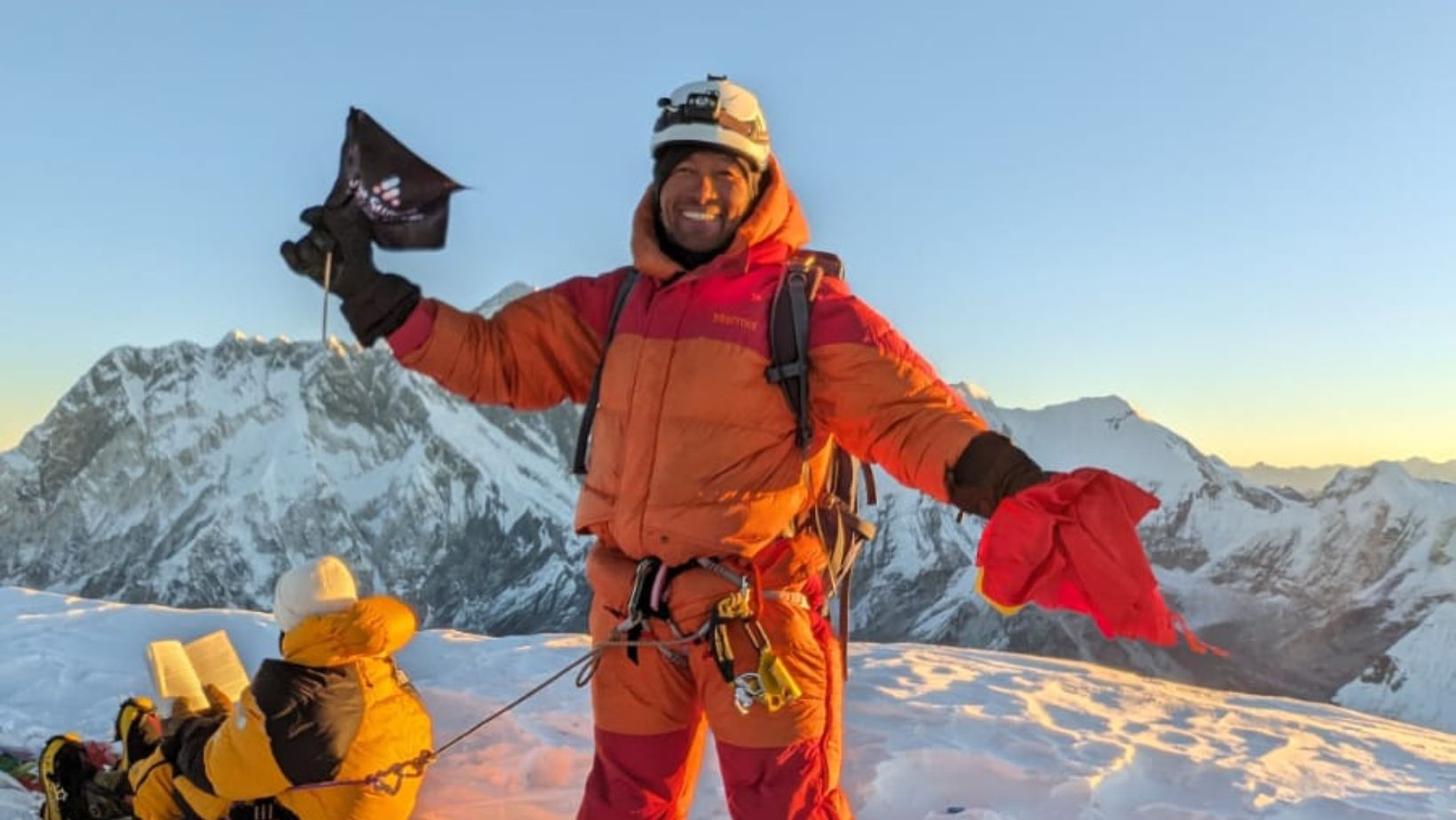
Climbing Mera Peak is more than reaching a high-altitude summit - it is a journey through the heart of the Himalayas. Preparation, both physical and mental, is essential. The right gear, acclimatization, nutrition, and professional guidance lay the foundation for success. Paying attention to safety, staying motivated, and embracing the adventure enhance the overall experience.
With Outward Adventure Treks, climbers receive expert support, personalized itineraries, and access to world-class equipment and guidance. Their focus on safety, comfort, and cultural immersion ensures every participant enjoys an unforgettable Himalayan adventure.
Every step on Mera Peak - from the lush valleys to the snow-covered summit - offers breathtaking views, challenges, and rewards. Following these tips and preparing properly allows adventurers to make the most of this life-changing expedition, creating memories that will last a lifetime.
Whether you are a seasoned mountaineer or a passionate trekker, these tips will help you optimize your preparation and enjoy a smooth journey to the summit. And if you are planning your trip with Outward Adventure Treks, you are already on the right path to a professional and hassle-free expedition.
Climbing Mera Peak is a dream for many adventurers, but preparation is key to turning that dream into reality. Physical fitness, proper acclimatization, mental resilience, technical skills, and professional support all contribute to a safe and enjoyable ascent. By following these top 10 tips, you will be fully prepared to conquer the peak while savoring the breathtaking beauty of Nepal’s Everest region.
Choosing Outward Adventure Treks for your Mera Peak expedition guarantees a well-organized, safe, and unforgettable experience. From expert guides and high-quality equipment to carefully planned itineraries, they provide everything needed for a smooth adventure. Whether you are an experienced climber or a passionate trekker, proper preparation combined with professional support ensures your Mera Peak journey will be both safe and extraordinary.
 Jul 21, 2026
Standing at 6,476 meters (21,247 ft), Mera Peak is Nepal's highest trekking peak and one of the world's most rewarding h...
Read More Jul 14, 2026
Planning a Himalayan adventure in 2027? Everest Base Camp vs Annapurna Base Camp Trek is one of the most searched compar...
Read More Jul 09, 2026
Planning your 2027 Island Peak and Everest Base Camp Trek is your opportunity to experience two of Nepal's most iconic H...
Read More Jul 05, 2026
Nepal is globally recognized as the heart of Himalayan mountaineering, offering the world's most iconic high-altitude ex...
Read More
Leave a Comment