
Any Questions? Email Us
Talk to an Expert
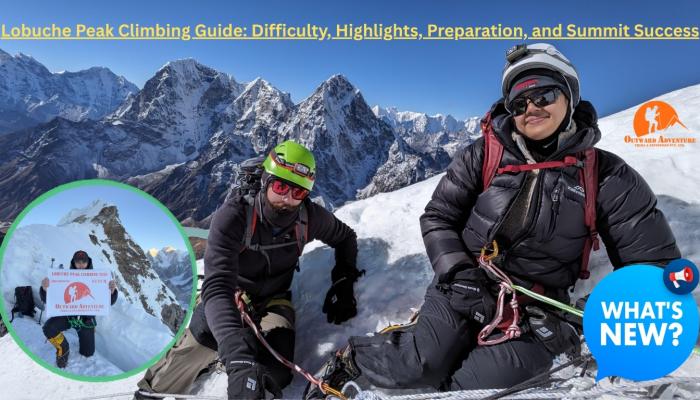
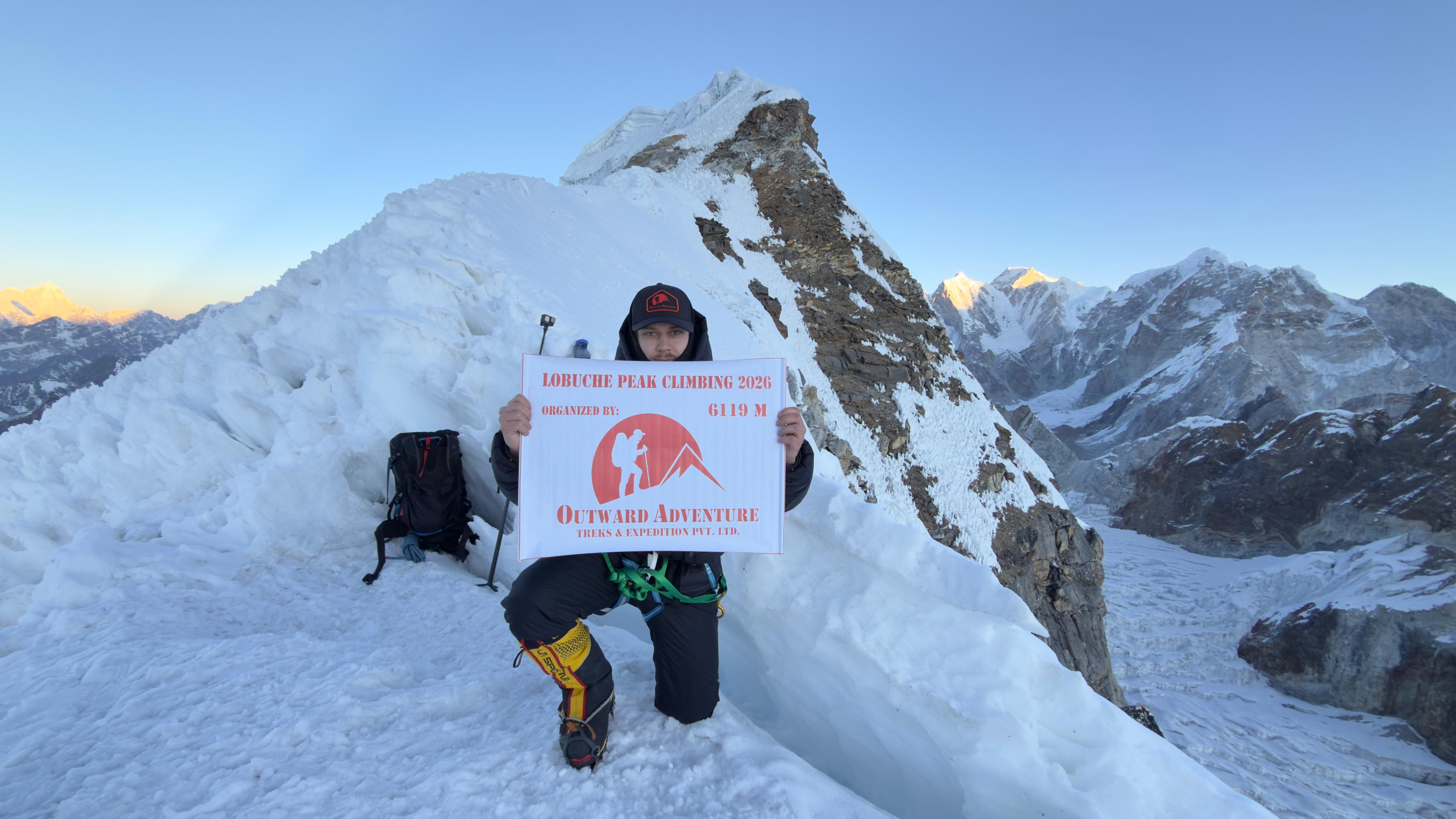
Lobuche Peak Climbing is one of the most exciting and rewarding trekking peak adventures in Nepal. Located in the heart of the legendary Everest Region, Lobuche Peak offers climbers a perfect combination of high-altitude trekking, technical mountaineering, and breathtaking Himalayan scenery. Rising to an elevation of 6,119 meters (20,075 feet), Lobuche Peak attracts adventure enthusiasts from around the world who dream of experiencing a genuine Himalayan climbing expedition without committing to an extremely technical expedition peak.
Situated close to Everest Base Camp and the famous Kala Patthar viewpoint, Lobuche Peak provides climbers with unparalleled views of some of the world's highest mountains, including Mount Everest, Lhotse, Nuptse, Ama Dablam, Pumori, and Makalu. The mountain is often considered one of the best trekking peaks in Nepal because it offers both challenging climbing sections and extraordinary panoramic views.
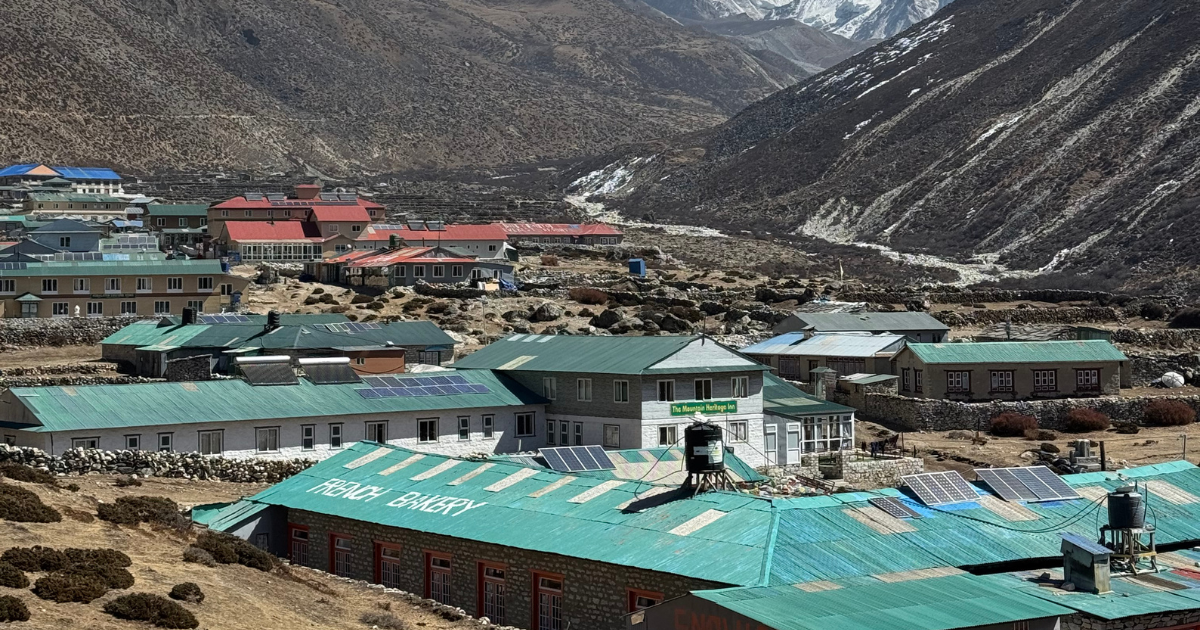
The journey to Lobuche Peak begins with a scenic flight to Lukla, known as the gateway to the Everest region. Trekkers follow the classic Everest Base Camp trail through picturesque Sherpa villages, ancient monasteries, suspension bridges, and beautiful rhododendron forests. Popular settlements along the route include Namche Bazaar, Tengboche, Dingboche, and Lobuche. These stops help climbers acclimatize properly while experiencing the unique culture and hospitality of the Sherpa community.
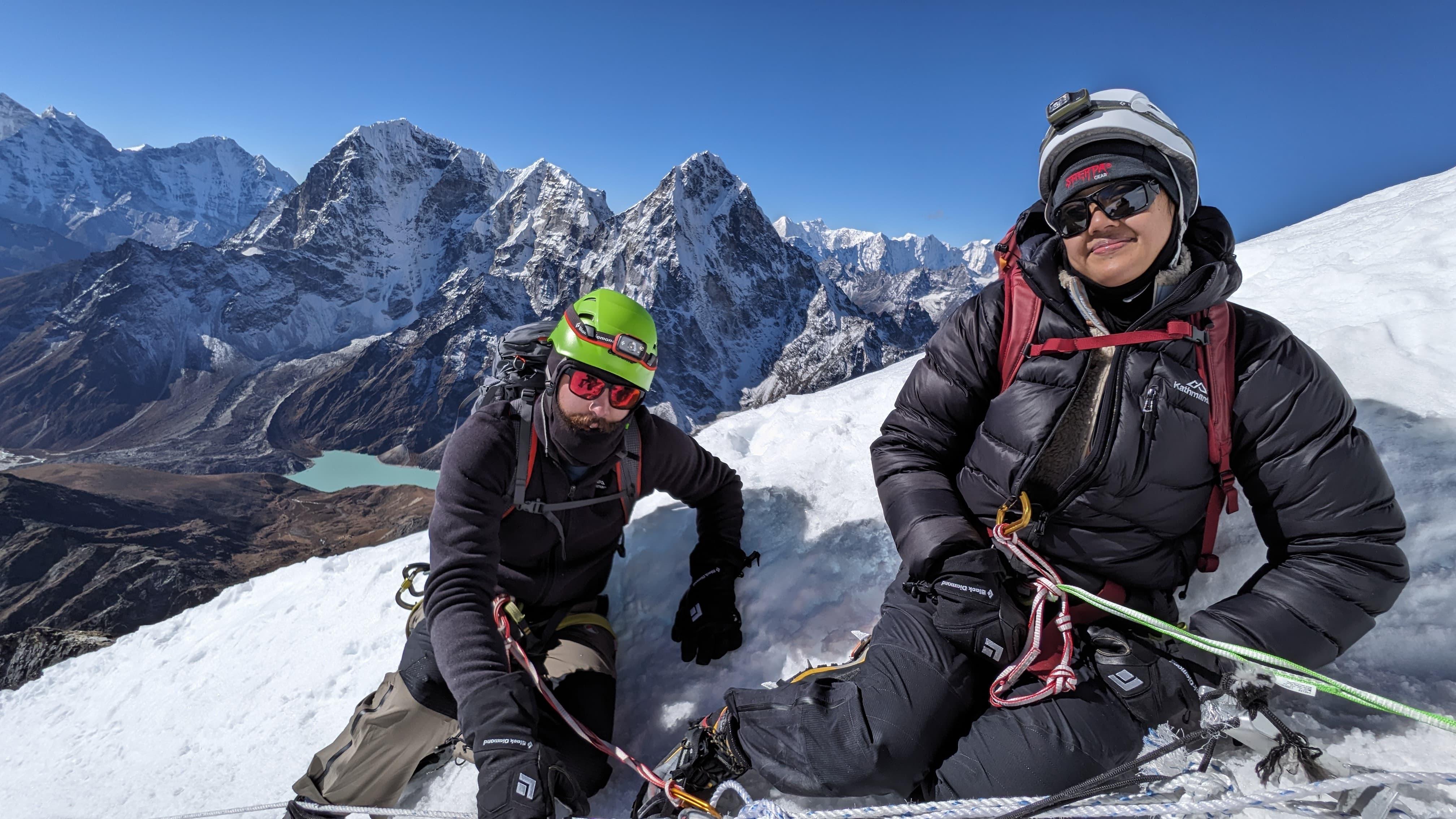
Lobuche Peak is divided into two distinct summits: Lobuche East and Lobuche West. Among them, Lobuche East is the designated trekking peak and the most frequently climbed by adventure seekers. Although categorized as a trekking peak by the Nepal Mountaineering Association, Lobuche East requires basic mountaineering skills and a good level of physical fitness. Climbers encounter snow slopes, rocky terrain, glacier travel, and fixed rope sections during the final summit push, making it an excellent introduction to Himalayan mountaineering.
One of the major attractions of Lobuche Peak Climbing is its combination with the Everest Base Camp Trek. Many climbers choose an itinerary that includes a visit to Everest Base Camp and Kala Patthar before attempting the summit. This approach not only improves acclimatization but also allows adventurers to experience some of the most iconic destinations in the Himalayas. Standing at Everest Base Camp and later reaching the summit of Lobuche Peak creates an unforgettable sense of achievement.
The summit day is the most challenging and rewarding part of the expedition. Climbers typically start before dawn, equipped with crampons, ice axes, harnesses, helmets, and climbing ropes. The route ascends through steep snow-covered slopes and exposed ridges before reaching the summit. As the first rays of sunlight illuminate the Himalayan giants, climbers are rewarded with spectacular 360-degree views that stretch across the Everest massif and surrounding peaks. The feeling of standing atop Lobuche Peak is often described as one of the most memorable experiences in Nepal.
The best seasons for Lobuche Peak Climbing are spring (March to May) and autumn (September to November). During these periods, weather conditions are generally stable, skies are clear, and mountain views are exceptional. Spring brings colorful rhododendron blooms and favorable climbing conditions, while autumn offers crisp air and excellent visibility following the monsoon season.
Proper preparation is essential for a successful Lobuche Peak climb. Climbers should focus on cardiovascular endurance, strength training, and hiking practice before the expedition. While previous climbing experience is beneficial, many first-time climbers successfully summit Lobuche Peak with the guidance of experienced climbing guides and proper acclimatization. Safety measures, including gradual altitude gain, hydration, and professional support, significantly increase the chances of a successful summit.
For adventure travelers seeking a thrilling Himalayan challenge, Lobuche Peak Climbing is an outstanding choice. It combines the world-famous Everest trekking route, rich Sherpa culture, stunning mountain scenery, and an exhilarating summit experience into a single adventure. Whether you are an aspiring mountaineer or an experienced trekker looking for your next challenge, Lobuche Peak offers an unforgettable journey into the heart of the Himalayas.
With expert guidance from Outward Adventure Treks, climbers can enjoy a safe, well-organized, and rewarding expedition. Lobuche Peak Climbing remains one of Nepal's most popular trekking peaks, offering the perfect opportunity to experience high-altitude mountaineering while enjoying breathtaking views of Everest and the surrounding Himalayan giants.
Lobuche Peak Climbing is one of the most rewarding trekking peak adventures in Nepal, offering an extraordinary blend of Himalayan trekking, technical mountaineering, and breathtaking mountain scenery. Located in the heart of the Everest Region, Lobuche Peak (6,119m) attracts climbers seeking a challenging yet achievable summit experience surrounded by some of the world's highest peaks. From trekking through traditional Sherpa villages and visiting Everest Base Camp to conquering snow-covered slopes and witnessing panoramic views of Mount Everest, Lhotse, Nuptse, and Ama Dablam, every aspect of the journey is packed with adventure. Whether you are an aspiring mountaineer or an experienced trekker looking to advance your climbing skills, Lobuche Peak Climbing delivers unforgettable memories, stunning landscapes, rich cultural experiences, and a true taste of Himalayan mountaineering.
Lobuche Peak Climbing is an exceptional Himalayan adventure that combines the thrill of technical peak climbing with the world-famous Everest Base Camp trekking route. From exploring traditional Sherpa villages and trekking through the spectacular Khumbu region to standing atop the 6,119-meter summit with breathtaking views of Mount Everest, Lhotse, Nuptse, Ama Dablam, and other Himalayan giants, every moment of the journey is unforgettable. Ideal for both aspiring and experienced climbers, Lobuche Peak offers the perfect balance of challenge, achievement, cultural immersion, and natural beauty. For those seeking one of the best trekking peak experiences in Nepal, Lobuche Peak Climbing stands as a remarkable opportunity to experience authentic Himalayan mountaineering and create lifelong memories in the heart of the Everest Region.
Lobuche Peak Climbing is considered one of Nepal's most challenging trekking peaks and requires a combination of physical fitness, mental determination, proper acclimatization, and basic mountaineering skills. Although the peak is classified as a trekking peak, climbers should not underestimate the challenges involved. The expedition presents several difficulties that make reaching the summit both demanding and rewarding.
Despite these challenges, Lobuche Peak Climbing remains one of the most rewarding adventures in the Everest Region. With proper training, acclimatization, experienced guides, and determination, climbers are rewarded with an unforgettable summit experience and spectacular panoramic views of the Himalayan giants.
Lobuche Peak Climbing stands out from other trekking peaks in Nepal because it offers a unique combination of technical mountaineering, high-altitude adventure, and proximity to some of the world's most iconic Himalayan landmarks. While many trekking peaks provide beautiful mountain views and challenging ascents, Lobuche Peak delivers a more complete Himalayan climbing experience that closely resembles a true expedition.
One of the biggest differences is its location in the heart of the Everest Region. Climbers not only attempt a 6,119-meter Himalayan summit but also have the opportunity to visit Everest Base Camp and Kala Patthar during the same journey. Few trekking peaks combine a world-famous trekking route with a rewarding mountaineering objective in such a spectacular setting.
Compared to peaks such as Island Peak or Mera Peak, Lobuche Peak offers a more technical and challenging summit experience. The climb includes steep snow slopes, exposed ridges, fixed-rope sections, and glacier travel, providing climbers with valuable mountaineering skills and experience. This makes Lobuche Peak an excellent choice for adventurers preparing for larger Himalayan expeditions in the future.
Another factor that makes Lobuche Peak special is the extraordinary summit panorama. From the top, climbers enjoy breathtaking views of Mount Everest, Lhotse, Nuptse, Ama Dablam, Pumori, Makalu, and numerous surrounding peaks. The feeling of standing among some of the highest mountains on Earth creates an unforgettable sense of achievement.
Lobuche Peak also offers a perfect balance between challenge and accessibility. While it requires good fitness and basic climbing skills, it remains achievable for determined trekkers under the guidance of experienced climbing professionals. This combination attracts both aspiring mountaineers and experienced climbers seeking a rewarding Himalayan adventure.
The journey through traditional Sherpa villages, ancient monasteries, and the stunning landscapes of the Khumbu Valley further distinguishes Lobuche Peak from many other climbing destinations. The cultural experience is just as memorable as the climbing itself, allowing visitors to experience the rich heritage of the Everest Region.
For those seeking a peak that combines technical climbing, Everest Base Camp trekking, spectacular Himalayan scenery, authentic Sherpa culture, and a true sense of mountaineering accomplishment, Lobuche Peak Climbing offers an experience that is difficult to match anywhere else in Nepal. It is more than just a summit—it is a complete Himalayan adventure.
Lobuche Peak is considered a moderately difficult to challenging trekking peak in Nepal. Standing at 6,119 meters (20,075 feet), it is more demanding than a standard high-altitude trek and requires a combination of physical fitness, mental endurance, proper acclimatization, and basic mountaineering skills. While it is classified as a trekking peak, climbers should not underestimate the challenges involved, especially near the summit.
The primary difficulty comes from the high altitude. As climbers ascend above 5,000 meters, oxygen levels decrease significantly, making every step more physically demanding. Even experienced trekkers can feel the effects of altitude, including fatigue, shortness of breath, and slower recovery times. Proper acclimatization is essential to reduce the risk of altitude sickness and improve the chances of a successful summit.
The technical nature of the climb also adds to its difficulty. Unlike many trekking routes in the Himalayas, Lobuche Peak requires climbers to use mountaineering equipment such as crampons, ice axes, harnesses, helmets, and fixed ropes. The final summit section involves steep snow and ice slopes, rocky terrain, and exposed ridges that demand careful movement and concentration. Although the route is not considered highly technical compared to major Himalayan expeditions, it can be challenging for those with no prior climbing experience.
Physical endurance is another important factor. The expedition includes several days of trekking through the Everest Region, often involving long walking hours, steep ascents, and rugged mountain trails. Climbers must maintain their energy levels throughout the trek before attempting the demanding summit push, which can last 10 to 14 hours round-trip depending on weather and conditions.
Weather conditions can make the climb even harder. Strong winds, freezing temperatures, snowfall, and rapidly changing mountain weather are common in the Everest Region. Summit day usually begins before dawn in extremely cold conditions, testing both physical and mental strength.
Despite these challenges, Lobuche Peak is achievable for well-prepared trekkers with good fitness levels and determination. Previous mountaineering experience is helpful but not always necessary, as professional climbing guides provide training and support during the expedition. With proper preparation, acclimatization, and expert guidance from Outward Adventure Treks, Lobuche Peak offers an exciting and rewarding introduction to Himalayan mountaineering.
Overall, Lobuche Peak is harder than most trekking routes and more technical than many trekking peaks, but it remains one of the best options for adventurers seeking a true Himalayan climbing experience without attempting a major expedition peak. The challenge is significant, but the reward of standing on the summit surrounded by the world's highest mountains makes every effort worthwhile.
The success rate of Lobuche Peak Climbing typically ranges between 70% and 85%, depending on several factors such as weather conditions, acclimatization, physical fitness, climbing experience, and overall expedition planning. For climbers who follow a well-designed itinerary with adequate acclimatization days, the chances of reaching the summit are generally quite high.
One of the most important factors affecting summit success is altitude adaptation. Lobuche Peak rises to 6,119 meters (20,075 feet), where oxygen levels are significantly lower than at sea level. Climbers who acclimatize properly and allow their bodies enough time to adjust to the altitude are far more likely to reach the summit successfully.
Weather conditions also play a major role in determining success rates. Strong winds, heavy snowfall, poor visibility, and rapidly changing mountain conditions can force climbers to postpone or cancel summit attempts. Climbers who choose the spring and autumn seasons generally benefit from more stable weather and improved climbing conditions.
Physical fitness is another key factor. The expedition involves multiple days of high-altitude trekking, steep ascents, glacier travel, and technical climbing sections that require stamina and endurance. Climbers who prepare through cardiovascular training, strength exercises, and hiking practice usually enjoy a higher success rate.
Basic mountaineering skills can also improve the chances of a successful summit. Although Lobuche Peak is categorized as a trekking peak, climbers must often use crampons, ice axes, fixed ropes, and harnesses during the final ascent. Familiarity with this equipment helps climbers move more efficiently and confidently on challenging terrain.
Mental determination is equally important. High altitude, cold temperatures, long summit days, and demanding conditions can test a climber's resilience. Those who remain focused, patient, and adaptable throughout the expedition often perform better during the summit push.
Compared to many other trekking peaks in Nepal, Lobuche Peak is considered more technical and physically demanding. However, with proper preparation, gradual acclimatization, favorable weather, and strong determination, the majority of well-prepared climbers have an excellent chance of reaching the summit.
Lobuche Peak Climbing offers a strong summit success rate for adventurers who invest time in training and preparation. While no mountain can guarantee success, careful planning and a disciplined approach can significantly increase the likelihood of standing on one of the most spectacular summits in the Everest Region.
1. How difficult is Lobuche Peak Climbing?
Lobuche Peak Climbing is considered a moderately difficult to challenging trekking peak adventure. While it does not require advanced mountaineering expertise, climbers should have good physical fitness, endurance, and basic climbing skills. The final ascent includes steep snow slopes, rocky sections, glacier travel, and fixed-rope climbing. The high altitude of 6,119 meters also adds significant difficulty, making proper acclimatization essential for a successful summit.
2. Do I need previous climbing experience to climb Lobuche Peak?
Previous climbing experience is beneficial but not mandatory. Many first-time climbers successfully summit Lobuche Peak after receiving basic mountaineering training during the expedition. However, participants should be comfortable hiking for multiple days at high altitude and should maintain a good level of physical fitness. Familiarity with crampons, ice axes, harnesses, and fixed ropes can increase confidence and improve overall climbing performance.
3. What is the best time to climb Lobuche Peak?
The best seasons for Lobuche Peak Climbing are spring (March to May) and autumn (September to November). During these periods, the weather is generally stable, skies are clear, and mountain views are exceptional. Spring offers mild temperatures and blooming rhododendron forests, while autumn provides crisp air and excellent visibility after the monsoon season. These seasons also offer the highest chances of a successful summit.
4. What is the success rate of Lobuche Peak Climbing?
The average success rate for Lobuche Peak Climbing ranges between 70% and 85%, depending on weather conditions, acclimatization, fitness levels, and climbing preparation. Climbers who follow a gradual acclimatization schedule, maintain good physical condition, and climb during favorable weather windows generally have a much higher chance of reaching the summit successfully.
5. How long does Lobuche Peak Climbing take?
Most Lobuche Peak Climbing itineraries take between 14 and 18 days, depending on the route and acclimatization schedule. Many itineraries include visits to Everest Base Camp and Kala Patthar before the summit attempt. These additional days help climbers adapt to the altitude and enhance the overall experience by allowing them to explore some of the most iconic locations in the Everest Region.
6. What equipment is required for Lobuche Peak Climbing?
Climbers need both trekking and mountaineering equipment for Lobuche Peak. Essential gear includes insulated boots, crampons, ice axe, climbing harness, helmet, ascender, trekking poles, warm clothing layers, gloves, sleeping bag, sunglasses, and a high-quality backpack. Proper equipment is crucial for safety and comfort, especially during the technical summit push and in cold high-altitude conditions.
7. What can I see from the summit of Lobuche Peak?
The summit of Lobuche Peak offers one of the most spectacular panoramic views in the Himalayas. Climbers are rewarded with breathtaking vistas of Mount Everest, Lhotse, Nuptse, Ama Dablam, Pumori, Makalu, Cho Oyu, and numerous surrounding peaks. The 360-degree Himalayan panorama, combined with the sense of achievement from reaching the summit, makes Lobuche Peak one of the most memorable climbing experiences in Nepal.
Lobuche Peak Climbing is widely regarded as one of the most rewarding and scenic peak-climbing adventures in Nepal, offering the perfect combination of high-altitude trekking, technical mountaineering, and world-class Himalayan views. Rising to 6,119 meters (20,075 feet) in the heart of the Everest Region, Lobuche Peak provides climbers with a unique opportunity to experience the legendary Everest Base Camp trail while challenging themselves on a true Himalayan summit. From the vibrant Sherpa villages and ancient monasteries of the Khumbu region to the dramatic glaciers, rugged ridgelines, and snow-covered slopes leading to the summit, every stage of the journey showcases the beauty, culture, and adventure that make Nepal a world-renowned climbing destination.
What truly sets Lobuche Peak apart is its perfect balance of challenge and accessibility. The climb introduces adventurers to essential mountaineering techniques, including glacier travel, fixed-rope climbing, and the use of crampons and ice axes, making it an ideal stepping stone for future Himalayan expeditions. The reward for this effort is an unforgettable summit experience featuring breathtaking panoramic views of Mount Everest, Lhotse, Nuptse, Ama Dablam, Pumori, Makalu, and many other towering Himalayan peaks. Few trekking peaks in Nepal offer such a remarkable combination of technical climbing, high-altitude adventure, and spectacular scenery.
For trekkers and climbers seeking one of the best trekking peak experiences in Nepal, Lobuche Peak Climbing delivers an extraordinary journey filled with adventure, personal achievement, and lifelong memories. With professional planning, proper acclimatization, and expert guidance, the climb becomes both safe and highly rewarding. Outward Adventure Treks is committed to providing exceptional service, experienced climbing guides, and carefully designed itineraries to maximize safety and summit success. Whether your goal is to climb your first 6,000-meter peak, gain valuable mountaineering experience, or fulfill your dream of standing among the world's highest mountains, Lobuche Peak Climbing with Outward Adventure Treks offers an unforgettable Himalayan adventure and a truly once-in-a-lifetime achievement.
 Jul 14, 2026
Planning a Himalayan adventure in 2027? Everest Base Camp vs Annapurna Base Camp Trek is one of the most searched compar...
Read More Jul 09, 2026
Planning your 2027 Island Peak and Everest Base Camp Trek is your opportunity to experience two of Nepal's most iconic H...
Read More Jul 05, 2026
Nepal is globally recognized as the heart of Himalayan mountaineering, offering the world's most iconic high-altitude ex...
Read More Jun 28, 2026
Combined Lobuche and Island Peak Climbing is one of Nepal's most rewarding and challenging alpine adventures, offering e...
Read More
Leave a Comment