
Any Questions? Email Us
Talk to an Expert
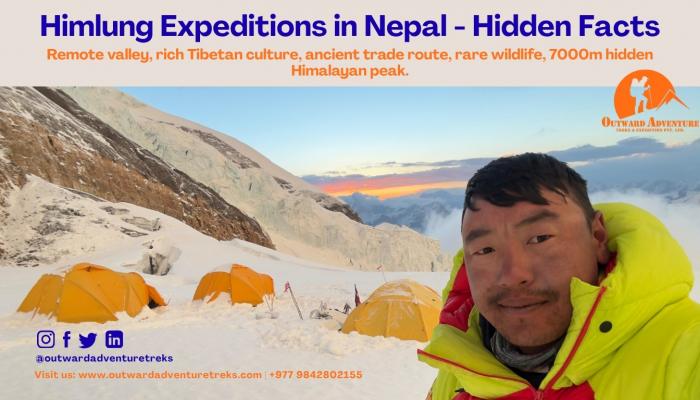
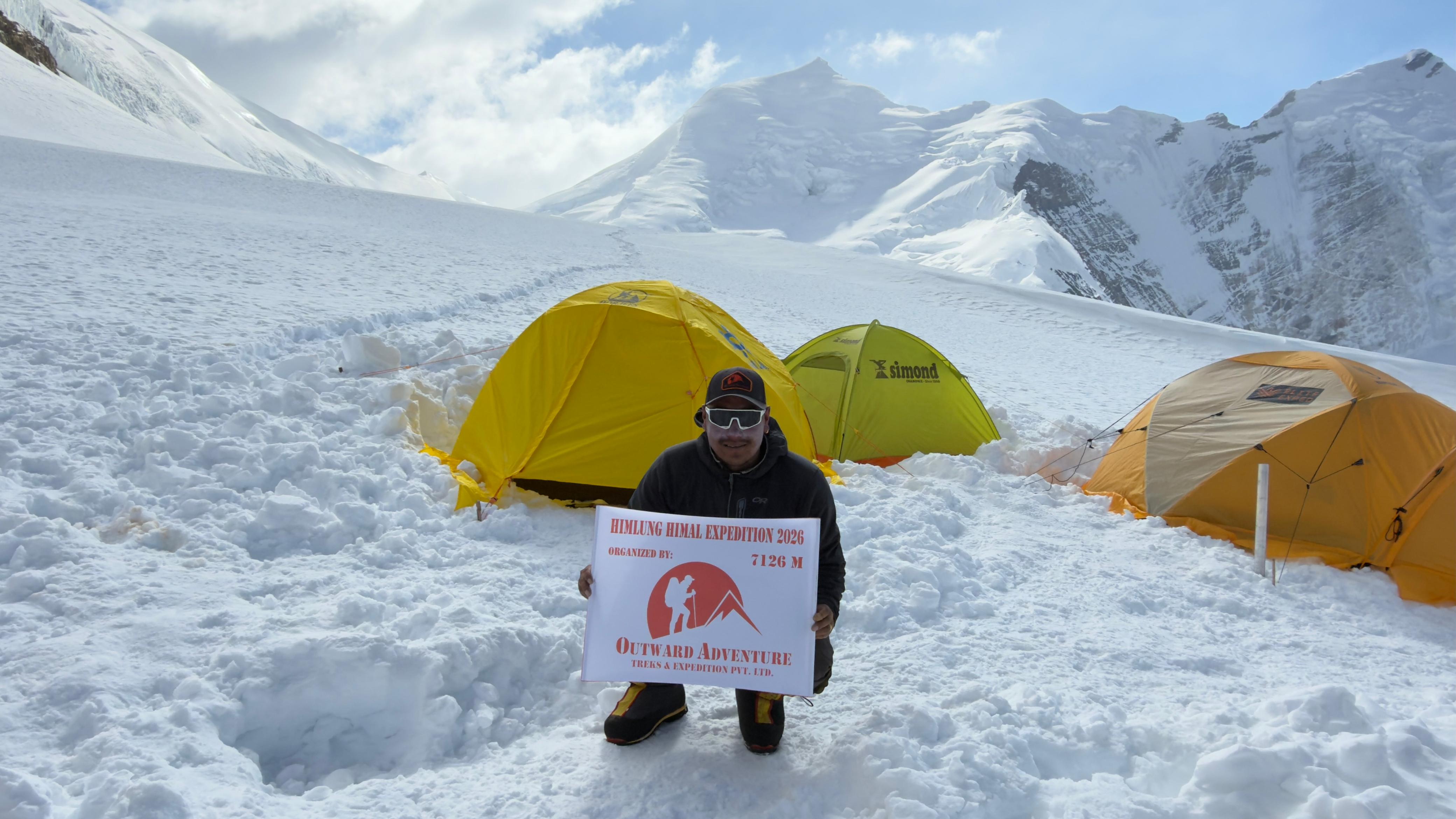
The Himlung Expedition is one of Nepal’s most popular 7,000-meter climbing adventures, offering an excellent introduction to high-altitude mountaineering in the Himalayas. Standing at 7,126 meters (23,379 feet), Himlung Himal lies in the remote Nar-Phu region of northern Nepal, close to the border with Tibet. The mountain is known for its relatively straightforward climbing route, stunning alpine scenery, and high summit success rate, making it an ideal choice for climbers preparing for higher peaks such as Manaslu or Mount Everest.
The journey to Himlung begins in Kathmandu, followed by a scenic drive to the Annapurna region and a trek through the culturally rich villages of the Nar and Phu valleys. These isolated Himalayan settlements provide a unique opportunity to experience traditional Tibetan-influenced culture, ancient monasteries, and breathtaking mountain landscapes. The approach trek also serves as a natural acclimatization period, helping climbers adapt to increasing altitude before reaching base camp.
Himlung Base Camp is typically established at around 4,900 meters. From there, climbers spend several days acclimatizing and preparing for the summit push. The standard route involves a series of higher camps strategically placed along the mountain. The climb features snow slopes, glacier travel, and moderate technical sections that require the use of crampons, ice axes, ropes, and other mountaineering equipment. Although Himlung is considered less technical than many Himalayan peaks, climbers must possess good physical fitness, previous high-altitude trekking or climbing experience, and the ability to cope with extreme weather conditions.
One of the major attractions of the Himlung Expedition is its comparatively safe and less crowded environment. Unlike some of Nepal’s more famous peaks, Himlung offers a quieter and more remote climbing experience. The mountain provides spectacular views of neighboring Himalayan giants, including Annapurna II, Gangapurna, and Manaslu. Climbers are rewarded with panoramic vistas of snow-covered peaks, deep valleys, and untouched wilderness throughout the expedition.
A typical Himlung Expedition lasts approximately 30 to 35 days, including trekking, acclimatization, climbing, and contingency days for weather. The best seasons for climbing are spring (March to May) and autumn (September to November), when stable weather and clear skies provide favorable conditions for summit attempts.
Beyond the physical challenge, the Himlung Expedition is a journey of personal achievement and exploration. It combines adventure, cultural discovery, and the thrill of Himalayan mountaineering in one remarkable experience. For climbers seeking a serious high-altitude objective without the extreme technical demands of some larger peaks, Himlung Himal offers an outstanding opportunity to test skills, build experience, and stand atop one of Nepal’s most beautiful and rewarding mountains.
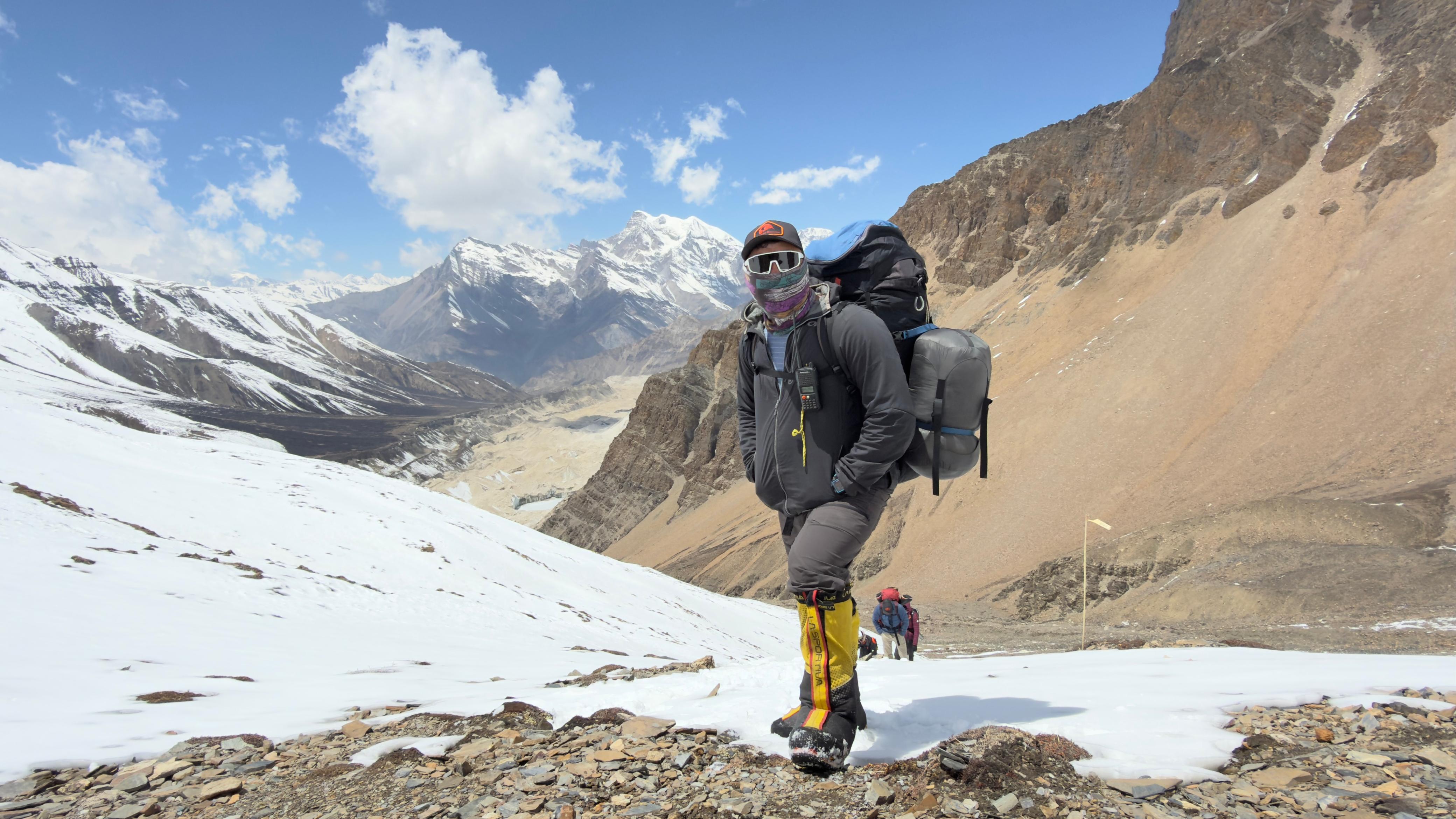
The Himlung Expedition is highly regarded among mountaineers because it offers a perfect combination of high-altitude adventure, cultural exploration, and a strong chance of reaching a Himalayan summit. Located in Nepal's remote Nar-Phu Valley, Himlung Himal stands at 7,126 meters and is considered one of the best introductory 7,000-meter peaks in the Himalayas.
One of the main reasons climbers choose Himlung is its location in the secluded Nar-Phu region. Unlike the busy trekking routes of Everest Region or Annapurna Circuit, the Nar-Phu Valley remains largely untouched by mass tourism. The region offers a rare opportunity to experience authentic Himalayan culture, ancient Buddhist monasteries, traditional stone villages, and centuries-old Tibetan traditions that have been preserved due to the area's isolation.
The mountain itself is known for its relatively non-technical climbing route compared to many other Himalayan peaks. This makes Himlung an excellent stepping stone for climbers who aspire to tackle larger mountains such as Manaslu, Cho Oyu, or Mount Everest in the future. While the climb still requires strong physical conditioning and mountaineering skills, it presents fewer objective hazards than many peaks of similar height.
Another advantage of the Himlung region is its favorable acclimatization profile. The approach trek gradually gains altitude through the Nar and Phu valleys, allowing climbers to adapt naturally before reaching base camp. This improves the likelihood of a successful summit while reducing the risk of altitude-related issues.
The scenery throughout the expedition is extraordinary. Climbers pass through dramatic canyons, high mountain passes, glacial landscapes, and remote alpine valleys. From the summit and higher camps, breathtaking views extend across some of Nepal's most impressive peaks, including Annapurna II, Gangapurna, Manaslu, and numerous unnamed Himalayan summits along the Nepal-Tibet frontier.
The restricted-area status of the Nar-Phu region also contributes to its appeal. Visitor numbers remain limited, preserving the wilderness and providing a sense of true expedition-style climbing. Many climbers appreciate the peaceful environment, far from crowded trails and commercialized mountain routes.
Ultimately, the Himlung Expedition stands out because it offers more than just a summit. It combines a challenging 7,000-meter ascent with rich cultural encounters, spectacular Himalayan landscapes, excellent acclimatization opportunities, and a genuine sense of exploration. For climbers seeking a remote and rewarding Himalayan adventure, the Nar-Phu region and Himlung Himal deliver an unforgettable experience.
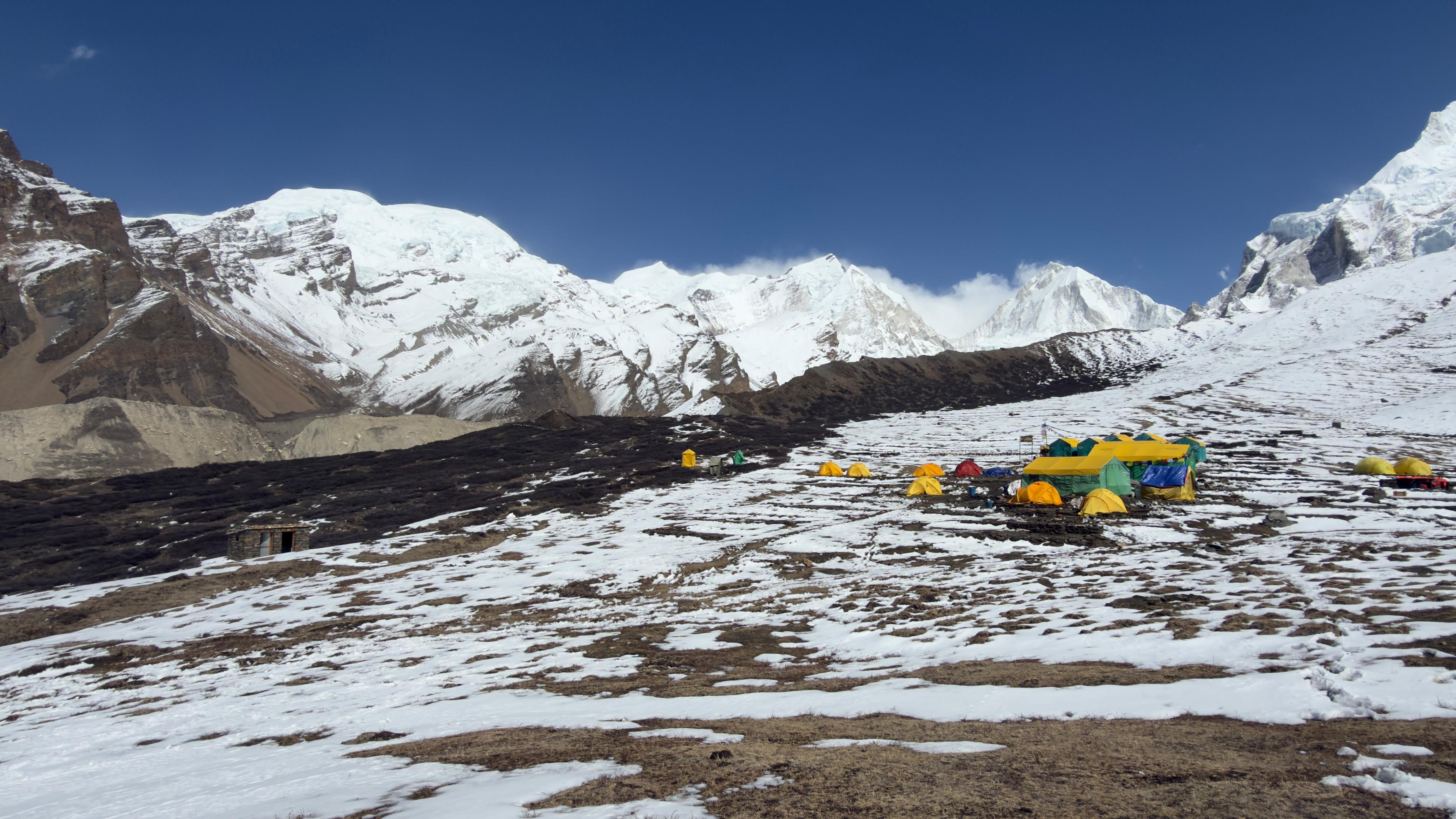
The Himlung Himal Expedition is considered one of Nepal’s most rewarding 7,000-meter adventures because it combines remote wilderness, cultural depth, and achievable high-altitude climbing. Located in the hidden corner of the Himalayas, it offers experiences that are both physically challenging and emotionally enriching.
1. Remote and Untouched Himalayan Region
One of the most powerful attractions of Himlung is its location in the isolated Nar-Phu Valley. Unlike the busy Everest or Annapurna trekking routes, this region remains quiet, less commercialized, and extremely authentic.
The landscape feels raw and untouched—deep gorges, barren cliffs, icy rivers, and dramatic alpine terrain dominate the route. Because tourism is limited, climbers experience a true expedition atmosphere where nature feels wild and uninterrupted.
2. Ancient Tibetan-Inspired Culture
The Himlung route passes through traditional villages influenced by Tibetan Buddhism. These settlements have preserved their culture for centuries due to isolation.
Key cultural attractions include:
This cultural experience is not staged for tourists—it is still a living tradition, making it deeply authentic.
3. Spectacular Himalayan Panorama
Throughout the expedition, climbers are rewarded with some of the most breathtaking mountain views in Nepal.
Visible peaks include:
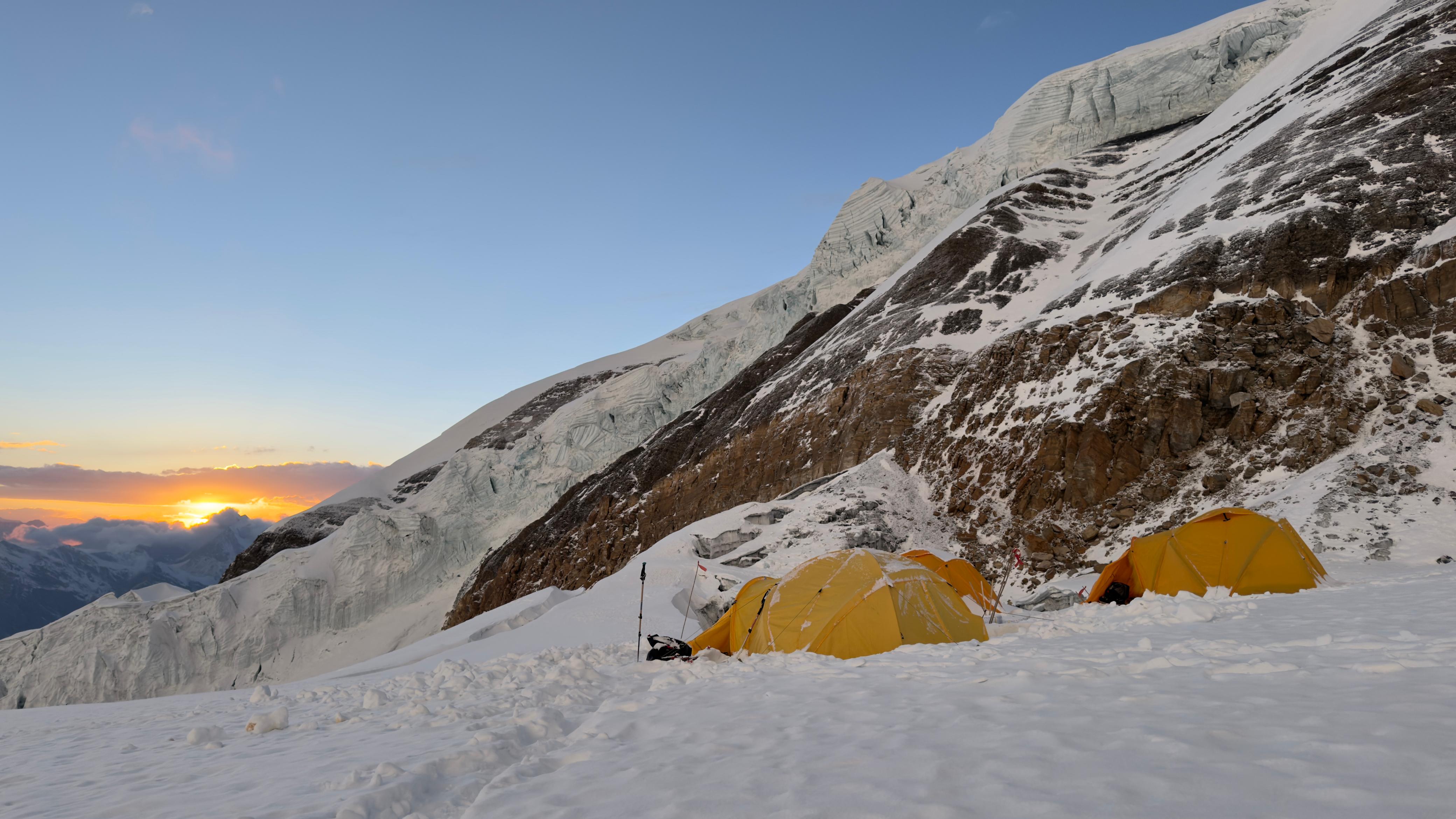
As climbers ascend higher, the views shift from green valleys to snow-covered giants, glaciers, and endless Himalayan ridges stretching across the horizon. At higher camps, the sunrise and sunset over these peaks create unforgettable golden and pink alpine lighting effects.
4. True 7,000m Mountaineering Experience
Standing at 7,126 meters, Himlung Himal offers a genuine high-altitude expedition experience without extreme technical difficulty.
Key climbing features include:
5. Rare Wildlife and Natural Biodiversity
Even though the region is high and cold, it supports surprising biodiversity. The silence of the valley often allows sightings of rare Himalayan wildlife.
Possible sightings include:
6. Historical Trade and Pilgrimage Routes
The trekking path to Himlung is not just a modern climbing route—it follows ancient trade corridors between Nepal and Tibet.
For centuries, local people used these trails to trade:
7. Gradual Acclimatization Advantage
One of the strongest attractions for climbers is the well-planned acclimatization route through the Nar and Phu valleys.
Instead of rushing to base camp, climbers gradually gain altitude, which helps:
8. High Success Rate Compared to Other Expeditions
Unlike many technical Himalayan peaks, Himlung offers a relatively stable climbing environment. Weather is often more predictable, and the route is well-established by expedition teams.
This leads to:
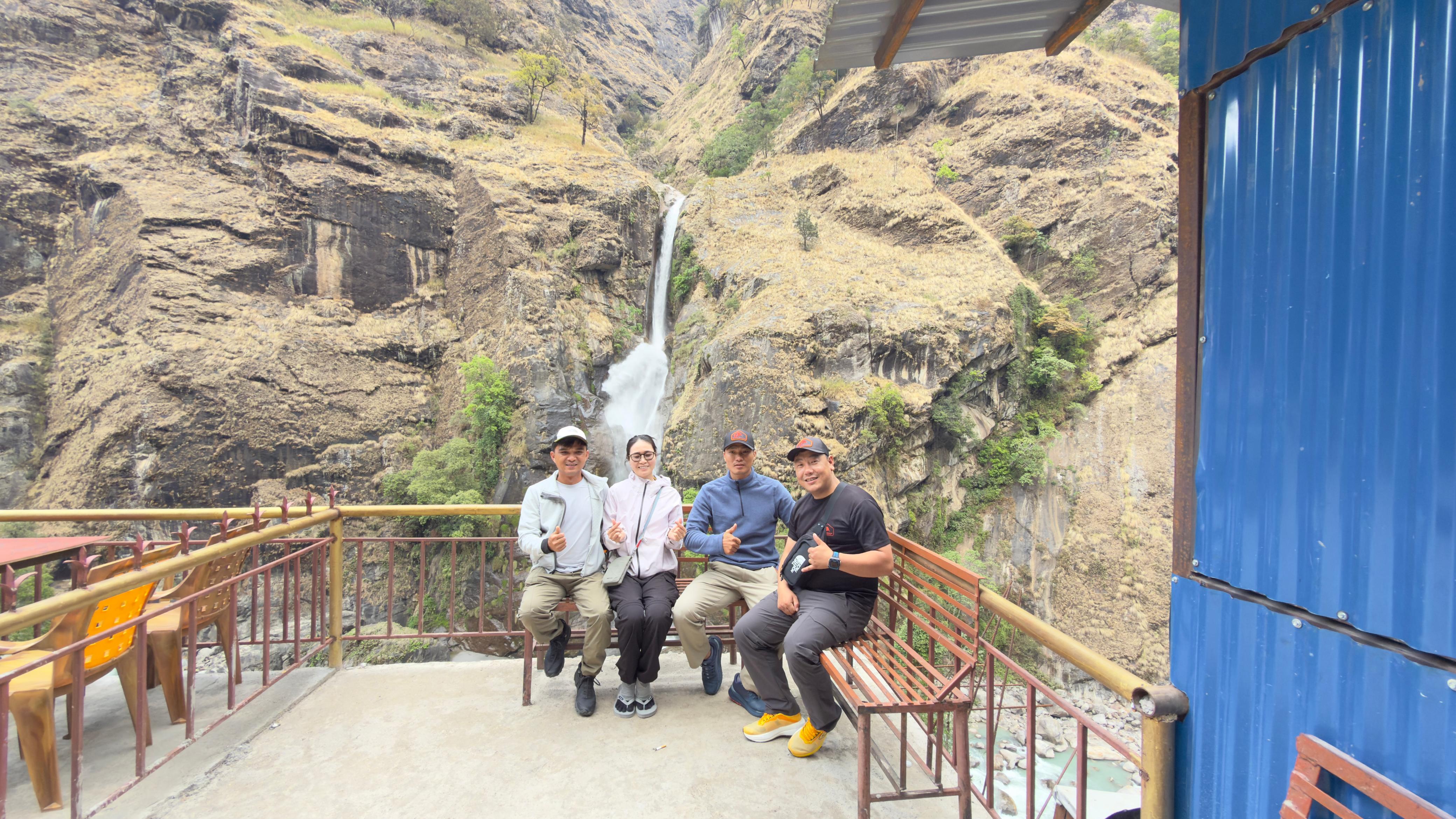
While the Himlung Himal Expedition is increasingly popular among climbers, there are several lesser-known facts that make this Himalayan peak unique.
Unlike famous peaks such as Mount Everest and Manaslu, Himlung Himal remained largely unexplored by international climbers until the early 1990s. The surrounding Nar-Phu area was a restricted region, helping preserve its culture and wilderness.
The remote Nar-Phu Valley was opened to trekkers only in 2003. Before that, very few outsiders visited the region. Many local traditions, dialects, and customs have remained remarkably intact because of this isolation.
Many experienced expedition operators consider Himlung one of the most achievable 7,000-meter mountains in Nepal. Its relatively straightforward route and gradual acclimatization approach contribute to a strong summit success rate compared with many other Himalayan expeditions.
For centuries, local people used trails around Himlung to trade salt, wool, livestock, and other goods between Nepal and Tibet. Today's expedition route follows portions of these historic Himalayan trading paths.
Many climbers use Himlung as preparation for larger objectives such as Cho Oyu, Manaslu, and Mount Everest. The expedition provides valuable experience in glacier travel, camp rotations, and high-altitude living without the extreme technical challenges of some higher mountains.
The villages of Nar and Phu contain centuries-old monasteries, prayer walls, chortens, and sacred sites. Local culture is strongly influenced by Tibetan Buddhism, and many residents still maintain traditional lifestyles centered around yak herding and mountain agriculture.
The remote landscape around Himlung is home to rare Himalayan wildlife. Lucky trekkers may spot Blue Sheep, Snow Leopard tracks, Himalayan griffon vultures, and other high-altitude species that thrive in the rugged terrain.
From higher camps and the summit, climbers can enjoy remarkable panoramas that include Annapurna II, Gangapurna, Tilicho Peak, and numerous peaks along the Nepal-Tibet border.
Even during peak climbing seasons, Himlung generally sees far fewer climbers than Everest or Manaslu. This means quieter camps, less traffic on the route, and a more authentic expedition atmosphere.
Many first-time Himalayan climbers assume Himlung is easy because it is considered "non-technical." In reality, the greatest challenge is functioning efficiently above 7,000 meters, where oxygen levels are significantly lower and weather conditions can change rapidly.
A Little-Known Local Perspective: Himlung Expeditions!
Many guides and climbers describe Himlung as one of Nepal's best-kept expedition secrets. It combines the wilderness of a remote Himalayan frontier, the cultural richness of the Nar-Phu Valley, and a genuine expedition experience without the crowds often found on more famous mountains. For those seeking a true Himalayan adventure, Himlung offers far more than just a summit—it provides a journey into one of Nepal's most isolated and fascinating mountain regions.
Where is Himlung Himal located?
Himlung Himal is located in the remote Nar-Phu region of northern Nepal, near the border with Tibet. The mountain stands at an elevation of 7,126 meters (23,379 feet).
How difficult is the Himlung Expedition?
Himlung is considered one of the more accessible 7,000-meter peaks in the Himalayas. While it is less technical than many other Himalayan mountains, climbers still need strong physical fitness, glacier travel experience, and the ability to perform at high altitude.
Is prior mountaineering experience required?
Yes. Previous experience on peaks above 5,000–6,000 meters is highly recommended. Familiarity with crampons, ice axes, fixed ropes, and basic mountaineering techniques is beneficial.
What is the summit height of Himlung Himal?
The summit of Himlung Himal reaches 7,126 meters (23,379 feet) above sea level.
How long does the expedition take?
A standard Himlung Expedition typically lasts between 30 and 35 days, including trekking, acclimatization, climbing rotations, summit attempts, and contingency days.
What is the best season to climb Himlung?
The best climbing seasons are:
These periods generally offer stable weather, clearer skies, and favorable climbing conditions.
What permits are required?
Climbers need:
These permits are usually arranged by the expedition operator.
What is the success rate on Himlung?
Himlung is known for having one of the better summit success rates among Nepal's 7,000-meter peaks due to its gradual approach and relatively straightforward route. Success depends on weather, acclimatization, fitness, and team support.
How many camps are established on the mountain?
Most expeditions establish:
Base Camp
Camp I
Camp II
Camp III
The exact camp locations may vary depending on conditions and expedition strategy.
What are the biggest challenges?
The primary challenges include:
Is Himlung suitable as preparation for Everest?
Yes. Many climbers use Himlung as a training peak before attempting Mount Everest, Manaslu, or other 8,000-meter mountains because it provides valuable high-altitude expedition experience.
What kind of accommodation is available?
During the trek, climbers usually stay in teahouses and local lodges. At Base Camp and higher camps, accommodation is in expedition tents.
Are there rescue facilities available?
Yes. Helicopter evacuation is possible in emergencies, weather permitting. Comprehensive travel and high-altitude rescue insurance is strongly recommended.
What wildlife can be seen in the Nar-Phu region?
The region is home to rare Himalayan wildlife, including Blue Sheep, Snow Leopard, Himalayan griffons, and other high-altitude species.
Why choose Himlung over other 7,000-meter peaks?
Himlung offers:
What mountains can be seen from the summit?
On a clear day, climbers can enjoy panoramic views of Annapurna II, Gangapurna, Manaslu, and numerous peaks along the Nepal-Tibet frontier.
Is the Nar-Phu region crowded?
No. The restricted status of the Nar-Phu Valley keeps visitor numbers relatively low, making it one of Nepal's most authentic and peaceful trekking and climbing destinations.
What fitness level is required?
Climbers should have excellent cardiovascular fitness, endurance, and the ability to trek and climb for multiple consecutive days at high altitude while carrying personal equipment.
Can beginners join the expedition?
Strong trekkers with some mountaineering training may participate through guided expeditions, but previous high-altitude experience is highly recommended for safety and success.
What makes Himlung Expedition special?
Himlung combines a challenging 7,000-meter summit, untouched Himalayan wilderness, authentic mountain culture, and a genuine expedition atmosphere, making it one of Nepal's most rewarding high-altitude adventures.
The Himlung Himal Expedition in Nepal stands out as one of the most underrated yet rewarding high-altitude adventures in the Himalayas. Hidden deep within the remote Nar-Phu Valley, this 7,126-meter peak offers far more than just a climbing challenge—it delivers a rare combination of isolation, cultural authenticity, and true expedition-style experience.
What makes Himlung truly special is its balance. It is remote enough to feel untouched and wild, yet accessible enough to serve as an ideal 7,000-meter training peak for climbers aiming for giants like Mount Everest or Manaslu. The hidden facts about its restricted history, preserved Tibetan-influenced culture, ancient trade routes, and low crowd density all contribute to its unique identity among Himalayan expeditions.
Beyond the summit, climbers discover something deeper—a journey through silence, spirituality, and raw Himalayan beauty. From blue sheep on cliff edges to centuries-old monasteries and endless glacier landscapes, every step reveals something unexpected.
In the end, the Himlung Expedition is not just about reaching the top. It is about entering one of Nepal’s last hidden mountain worlds, where nature, history, and adventure come together to create an unforgettable Himalayan experience.
 Jul 14, 2026
Planning a Himalayan adventure in 2027? Everest Base Camp vs Annapurna Base Camp Trek is one of the most searched compar...
Read More Jul 09, 2026
Planning your 2027 Island Peak and Everest Base Camp Trek is your opportunity to experience two of Nepal's most iconic H...
Read More Jul 05, 2026
Nepal is globally recognized as the heart of Himalayan mountaineering, offering the world's most iconic high-altitude ex...
Read More Jun 28, 2026
Combined Lobuche and Island Peak Climbing is one of Nepal's most rewarding and challenging alpine adventures, offering e...
Read More
Leave a Comment