Any Questions? Email Us
Talk to an Expert
The “death zone” refers to the extreme high-altitude region above 8,000 meters (26,247 feet) on Mount Everest, where the environment becomes so hostile that long-term human survival is impossible without artificial oxygen support. This zone is called the “death zone” because the body begins to deteriorate rapidly due to a severe lack of oxygen, and the risks of fatal altitude-related illnesses increase dramatically with every hour spent there. At this altitude, atmospheric pressure is extremely low, meaning the air contains only about one-third of the oxygen available at sea level. Even though oxygen is still present in the air, the pressure is too weak for the lungs to absorb enough of it into the bloodstream. As a result, the human body enters a state of extreme oxygen deprivation known as hypoxia. This condition affects nearly every system in the body, including the brain, muscles, and vital organs.
In the death zone, the body is essentially “consuming itself” for energy. Climbers burn far more calories than they can replace, even with high-energy food intake. Muscle tissue begins to break down as the body searches for fuel, leading to rapid fatigue and loss of strength. Simple tasks such as walking, adjusting equipment, or even breathing become exhausting. Decision-making ability also declines because the brain is deprived of oxygen, leading to confusion, poor judgment, and slowed reaction times.
One of the most dangerous aspects of the death zone is the increased risk of severe altitude illnesses. High-altitude cerebral edema (HACE) occurs when fluid builds up in the brain, causing symptoms such as confusion, loss of coordination, and unconsciousness. High-altitude pulmonary edema (HAPE) involves fluid accumulation in the lungs, making it extremely difficult to breathe. Both conditions can become fatal within hours if not treated by immediate descent to lower altitude. Another major challenge in this zone is the body’s inability to acclimatize. Below 8,000 meters, climbers can gradually adapt to lower oxygen levels through acclimatization processes. However, above this threshold, the environment is so extreme that no further adaptation is possible. This means that every climber, regardless of experience or fitness, is operating beyond the natural limits of human physiology.
Temperatures in the death zone are also dangerously low, often dropping well below freezing even during climbing seasons. Combined with high winds and extreme exposure, this increases the risk of frostbite and hypothermia. The thin air also makes weather conditions highly unpredictable, adding another layer of danger. Because of these conditions, climbers typically try to spend as little time as possible in the death zone. Summit attempts are usually planned as short, intense pushes, often starting at night so that climbers can reach the summit and begin descending before exhaustion becomes critical. Supplemental oxygen is commonly used to partially offset the lack of breathable air, but even with oxygen, the environment remains extremely unforgiving.
Rescue operations in the death zone are nearly impossible due to the altitude, weather, and physical limitations of both rescuers and victims. This means that if a climber becomes incapacitated in this region, survival chances are extremely low. The death zone on Mount Everest represents the final and most dangerous barrier in high-altitude mountaineering. It is a place where human survival is only temporarily possible, where the body rapidly weakens, and where every decision can determine life or death.
The “death zone” above 8,000 meters on Mount Everest is dangerous because the human body is pushed beyond the limits of survival. At this altitude, the environment becomes so extreme that normal biological functions start breaking down, even in highly trained climbers.
The main reason is severe oxygen shortage. Air pressure is so low that the body receives only a fraction of the oxygen it needs. This leads to hypoxia, where the brain and organs do not get enough oxygen to function properly. As a result, climbers experience confusion, poor judgment, slowed reactions, and in severe cases, loss of consciousness. Even simple movements require extreme effort. Another major danger is that the body starts to deteriorate instead of adapting. Below the death zone, climbers can acclimatize over time, producing more red blood cells to carry oxygen. But above 8,000 meters, the human body cannot adjust anymore. Instead, it begins to break down muscle and tissue for energy because it cannot get enough oxygen to sustain itself.
The death zone also causes life-threatening medical conditions. Two of the most serious are:
Extreme weather conditions make things worse. Temperatures can drop far below freezing, and strong winds increase the risk of frostbite and hypothermia. The thin atmosphere also offers little protection from UV radiation, adding physical stress to already exhausted climbers.
Another reason it is so dangerous is the lack of rescue options. Helicopters cannot operate effectively at this altitude, and carrying an injured climber down steep terrain is nearly impossible. This means that if a climber becomes seriously ill or injured in the death zone, help is often unreachable.
Finally, mental decline plays a big role. Low oxygen affects the brain, leading to poor decision-making, hallucinations, and overconfidence. Many accidents happen because climbers misjudge their strength or weather conditions. In short, the death zone on Mount Everest is dangerous because it combines oxygen starvation, physical breakdown, extreme cold, mental impairment, and lack of rescue—creating an environment where human survival becomes extremely fragile.
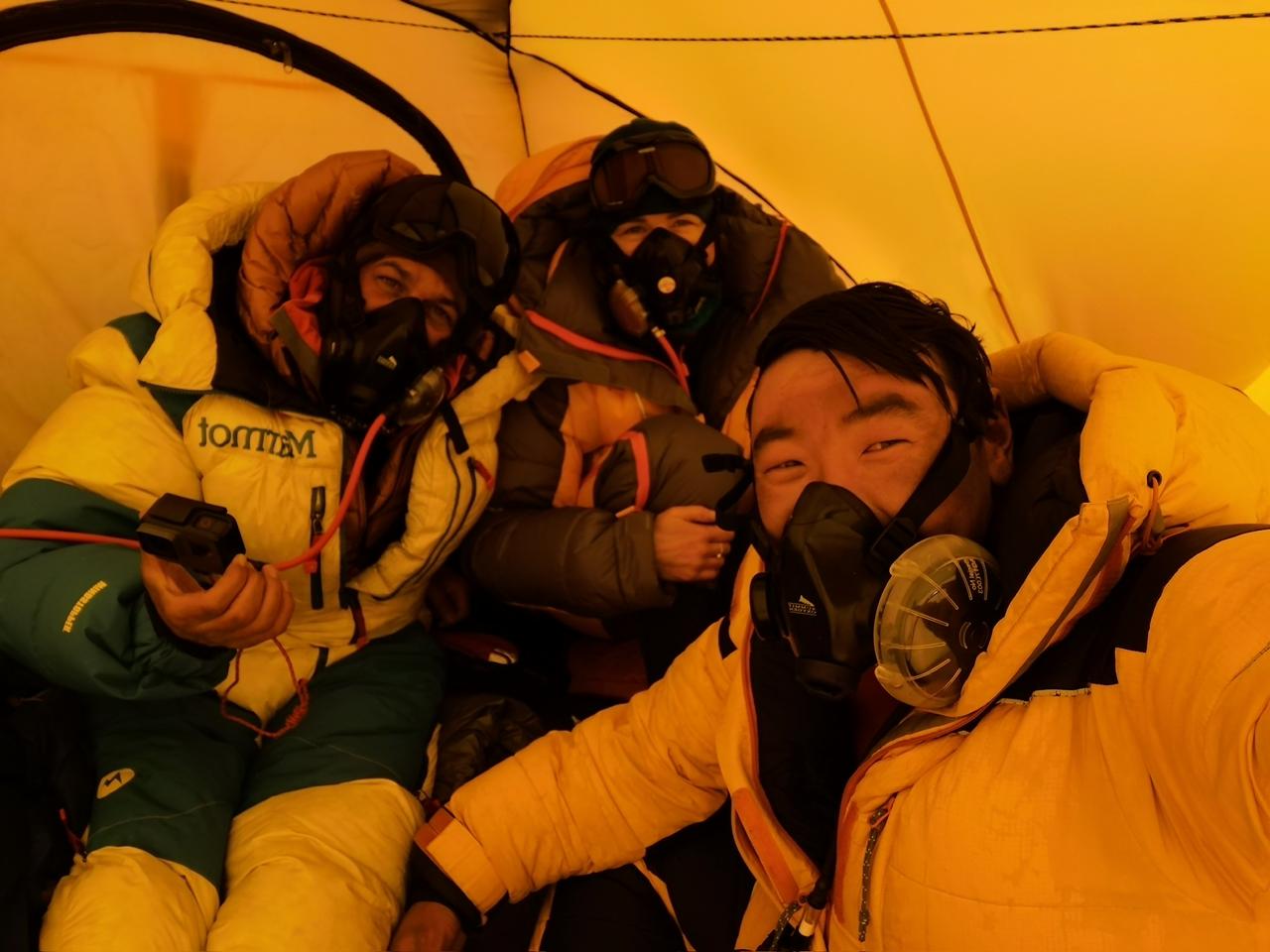
Survival time in the “death zone of Everest” above 8,000 meters on Mount Everest depends heavily on oxygen use, weather, and individual fitness—but in general, it is very limited. Without supplemental oxygen, most climbers can survive only a few hours to maybe around 12 hours at most in this altitude before severe hypoxia becomes life-threatening. Some may lose consciousness even sooner if they are exhausted or exposed to harsh conditions.
With supplemental oxygen, survival time increases, but it is still restricted. Climbers typically remain in the death zone for about 12 to 24 hours total during a summit push. This usually includes climbing from the final high camp, reaching the summit, and descending back down to safer altitude in the same cycle. Even with oxygen, the body is under extreme stress. The thin air means the heart and lungs are working at maximum capacity, and fatigue builds up quickly. After a certain point, energy reserves drop sharply, decision-making becomes impaired, and the risk of altitude illnesses like HACE (brain swelling) and HAPE (lung fluid buildup) increases.
In rare cases, climbers have survived slightly longer—up to a couple of days—but this is extremely dangerous and usually involves emergency situations or being stranded. In such cases, survival chances decrease rapidly with time because the body begins to shut down due to oxygen starvation and cold exposure. Another critical factor is that rescue is almost impossible in this zone. So once a climber becomes incapacitated, survival time often depends not just on physiology, but on whether they can descend or receive immediate help. In short, in the death zone of Mount Everest, humans can only survive for a short window—ranging from a few hours without oxygen to roughly a day with supplemental oxygen—before the conditions become fatal.
Climbers fear the “death zone” above 8,000 meters on Mount Everest because it is the point where the mountain stops being a climbing challenge and becomes a direct fight for survival. The first and biggest reason is extreme oxygen deprivation. In this death zone, the air pressure is so low that the body receives too little oxygen to function normally. This causes rapid exhaustion, confusion, and slow reaction times. Even experienced climbers can start making poor decisions because the brain is not getting enough oxygen.
Another major fear is that the body begins to break down instead of recovering. Unlike lower altitudes where acclimatization helps the body adapt, above 8,000 meters there is no real adaptation possible. Climbers are constantly losing strength, burning energy faster than they can replace it, and becoming weaker the longer they stay.
The risk of fatal altitude sickness also creates serious fear. Conditions like high-altitude cerebral edema (HACE), which affects the brain, and high-altitude pulmonary edema (HAPE), which fills the lungs with fluid, can develop quickly and become deadly if descent is delayed. These illnesses can turn a strong climber into someone unable to walk within hours.
Climbers also fear the lack of rescue options. Helicopters cannot reliably operate at that altitude, and carrying an injured person down steep, icy terrain is extremely difficult and often impossible. This means that if something goes wrong, climbers may be on their own. The harsh environment adds more pressure. Temperatures can drop far below freezing, winds are strong, and exposure time directly increases the risk of frostbite and hypothermia. Every minute spent there increases danger.
Finally, there is a psychological fear. The lack of oxygen affects mental clarity, causing confusion, hallucinations, and overconfidence. Climbers may misjudge their ability or underestimate risks, which can lead to fatal mistakes during descent. Climbers fear the death zone on Mount Everest because it combines physical collapse, mental impairment, extreme cold, and almost no rescue possibility—making it one of the most dangerous environments on Earth.
1. Severe Oxygen Starvation (Hypoxia)
Above 8,000 meters, the air pressure is so low that oxygen availability drops to a critical level. The body receives only a fraction of the oxygen needed for normal function. This leads to:
2. Rapid Physical Breakdown
In this zone, the human body cannot maintain energy balance. Because oxygen is insufficient:
3. Mental Impairment and Confusion
The brain is highly sensitive to oxygen loss. As oxygen levels drop:
4. Time Pressure and Limited Survival Window
Time is a critical factor in the death zone:
5. Extreme Cold and Wind Chill
Even during climbing seasons, conditions are brutal:
6. Risk of Fatal Altitude Illnesses
Two major medical threats occur frequently:
Both can become fatal within hours without immediate descent.
7. Physical Slowness and Exhaustion
Movement in the death zone becomes extremely slow:
8. Dependence on Supplemental Oxygen
Most climbers rely on bottled oxygen, but it is not perfect:
9. No Reliable Rescue Support
One of the most critical challenges is the lack of rescue options:
10. Dangerous Descent Conditions
The descent is often more dangerous than ascent because:
11. Psychological Pressure and Panic
Mental stress is constant:
12. Combined “Chain Effect” Danger
The greatest challenge is not a single problem, but how everything combines:
This chain reaction makes survival extremely fragile.
The Death Zone on Mount Everest is not just difficult—it is a place where the human body continuously declines while still being forced to function. Oxygen starvation, physical collapse, mental impairment, extreme cold, and lack of rescue support all combine to create one of the harshest survival environments on Earth.
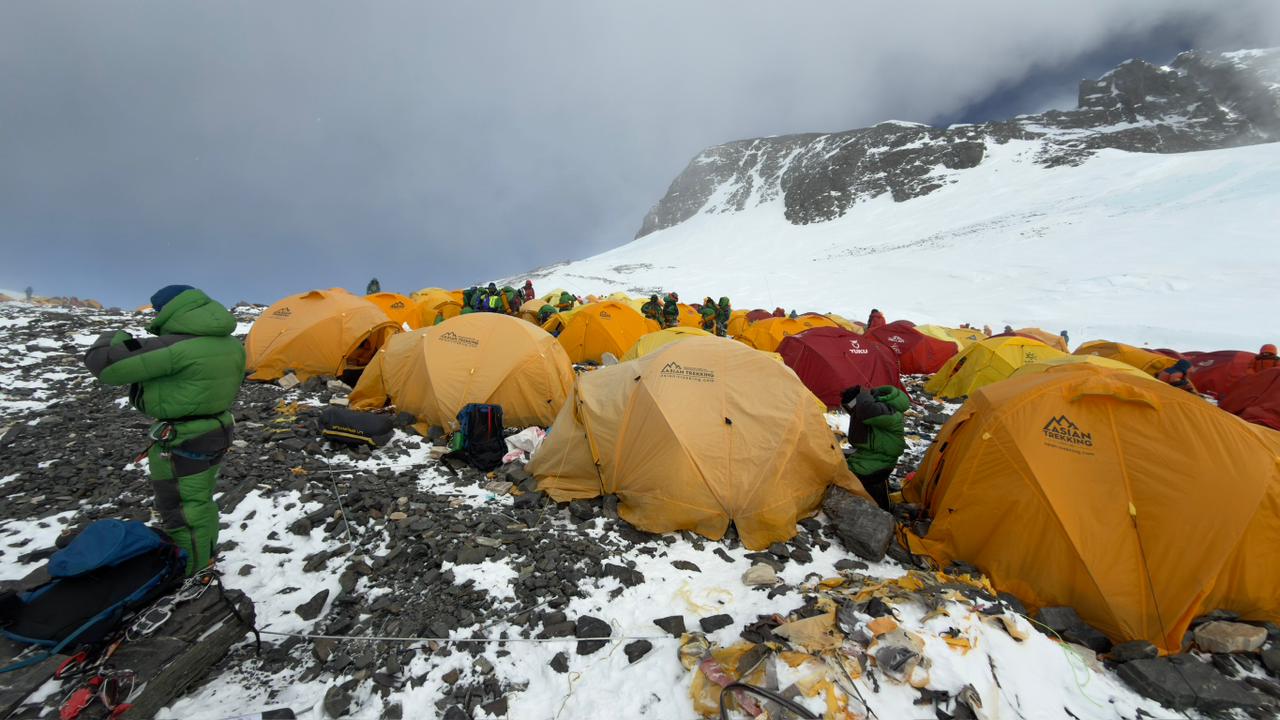
Surviving the Death Zone above 8,000 meters on Mount Everest is not about comfort or endurance—it is about minimizing risk, limiting time, and managing oxygen loss under extreme conditions. Even highly experienced climbers treat this zone as a short survival window, not a place to stay.
Here are the key survival principles in Death Zone of Everest :
1. Minimize Time in the Death Zone
The most important rule is simple: go up fast, come down faster.
2. Use Supplemental Oxygen Wisely
3. Maintain Constant Downward Awareness
Survival depends more on descent than reaching the summit:
4. Prevent Cognitive Mistakes
Low oxygen affects judgment before physical strength:
5. Manage Body Energy Carefully
Energy depletion is rapid above 8,000m:
6. Protect Against Cold and Exposure
Extreme cold is always present:
7. Monitor Early Warning Signs
Climbers watch for signs of danger:
8. Immediate Descent is the Only Real Cure
If conditions worsen:
9. Strong Team Support is Critical
No one survives this zone alone:
10. Accepting Limits is Survival
One of the most important survival factors is mental:
Surviving the Death Zone on Mount Everest depends on speed, oxygen management, clear decision-making, and immediate descent when needed. It is not a place where humans can adapt or overcome conditions—it is a place where survival is maintained only by strict control, discipline, and minimizing exposure time.
The Death Zone of Everest remains one of the most extreme and dangerous environments on Earth, located above 8,000 meters on Mount Everest. In this oxygen-starved altitude, the human body cannot survive for long without supplemental oxygen, making the Everest Death Zone a critical and life-threatening stage of every summit push.
Despite the severe risks, including oxygen deprivation, extreme cold, and altitude sickness, climbers continue to enter this zone driven by ambition and the dream of standing on the world’s highest peak. Understanding the Death Zone altitude on Everest is essential for safe expedition planning and high-altitude survival strategies.
In conclusion, the Everest Death Zone above 8000 meters is not just a geographical term—it represents the ultimate survival challenge in high-altitude mountaineering. Proper acclimatization, weather timing, and supplemental oxygen are vital for reducing risks in this deadly region. For every climber, the Everest summit challenge through the Death Zone is both the final barrier and the most defining moment of the entire expedition.
 Jul 21, 2026
Standing at 6,476 meters (21,247 ft), Mera Peak is Nepal's highest trekking peak and one of the world's most rewarding h...
Read More Jul 14, 2026
Planning a Himalayan adventure in 2027? Everest Base Camp vs Annapurna Base Camp Trek is one of the most searched compar...
Read More Jul 09, 2026
Planning your 2027 Island Peak and Everest Base Camp Trek is your opportunity to experience two of Nepal's most iconic H...
Read More Jul 05, 2026
Nepal is globally recognized as the heart of Himalayan mountaineering, offering the world's most iconic high-altitude ex...
Read More
Leave a Comment