
Any Questions? Email Us
Talk to an Expert
Planning the Upper Mustang Trek in 2027 or 2028 is your opportunity to experience one of Nepal's most extraordinary and culturally preserved Himalayan destinations. Hidden beyond the mighty Annapurna and Dhaulagiri ranges, the Upper Mustang Trek takes adventurers deep into the legendary Last Forbidden Kingdom of Nepal, where ancient Tibetan Buddhist traditions, dramatic desert landscapes, medieval villages, centuries-old monasteries, mysterious sky caves, and breathtaking Himalayan panoramas create an unforgettable trekking experience. As one of Nepal's most exclusive restricted-area treks, Upper Mustang continues to attract trekkers, photographers, cultural explorers, and adventure enthusiasts seeking an authentic Himalayan journey far from crowded trekking routes.
If you are searching for the best Upper Mustang Trek 2027, Upper Mustang Trek 2028, Upper Mustang Trek itinerary, Upper Mustang Trek cost 2027/2028, Upper Mustang permit, best time to visit Upper Mustang, or how to book the Upper Mustang Trek, this guide is designed to answer every essential question while helping you plan a safe, memorable, and rewarding Himalayan adventure. With growing global interest in sustainable travel and authentic cultural experiences, the Upper Mustang Trek has become one of Nepal's top trekking destinations for the 2027 and 2028 adventure seasons.
Unlike the lush forests of the Everest, Langtang, or Annapurna trekking regions, Upper Mustang offers a spectacular high-altitude desert landscape shaped by centuries of wind erosion and protected by the Himalayan rain shadow. The result is a dramatic environment filled with colorful cliffs, deep canyons, barren valleys, towering rock formations, and timeless Tibetan-style settlements that appear almost untouched by modern development. This unique geography, combined with its rich cultural heritage, makes Upper Mustang one of the most distinctive trekking destinations in the Himalayas.
At the heart of the journey lies Lo Manthang, the ancient walled capital of the former Kingdom of Mustang. This remarkable medieval city preserves centuries-old traditions through royal palaces, ancient monasteries, traditional mud-brick homes, narrow alleyways, colorful prayer flags, and vibrant Buddhist ceremonies. Visitors have the rare opportunity to witness a living Tibetan Buddhist culture that has remained remarkably intact for generations. Every village along the trekking route—from Kagbeni and Chele to Ghami, Tsarang, and Lo Manthang—offers a fascinating glimpse into a way of life shaped by history, spirituality, and the rugged Himalayan environment.
The Upper Mustang Trek is equally celebrated for its remarkable spiritual significance. Ancient monasteries, sacred chortens, prayer wheels, mani walls, meditation caves, and hidden temples line the route, reflecting the region's deep connection to Tibetan Buddhism. Historic sites such as Jampa Monastery, Thubchen Monastery, Ghar Gompa, and the mysterious Chhoser Cave Complex showcase centuries of religious art, architecture, and Himalayan history. These sacred landmarks transform the trek into a meaningful cultural and spiritual journey rather than simply a mountain adventure.
Adventure lovers will also find Upper Mustang exceptionally rewarding. Trekkers cross scenic mountain passes, explore remote valleys, walk beneath towering sandstone cliffs, and enjoy panoramic views of Nilgiri, Annapurna, Dhaulagiri, Tilicho Peak, and numerous snow-covered Himalayan giants. One of the greatest advantages of the Upper Mustang Trek is its location within Nepal's Himalayan rain-shadow, making it one of the few trekking destinations that remains ideal even during the summer monsoon months when many other popular trekking routes experience heavy rainfall. This unique climate extends the trekking season and provides greater flexibility for travelers planning their Nepal adventure in 2027 or 2028.
Planning the Upper Mustang Trek requires careful preparation, including obtaining the required Restricted Area Permit, Annapurna Conservation Area Permit (ACAP), arranging a licensed guide, and following government regulations for restricted-area travel. Trekking regulations and permit policies may change over time, so travelers planning for 2027 and 2028 should verify the latest requirements with their trekking agency before departure.
For travelers booking the Upper Mustang Trek 2027/2028, choosing an experienced local trekking company ensures a safer and more enriching experience. Professional guides provide expert navigation, cultural interpretation, permit management, altitude awareness, and logistical support while introducing trekkers to hidden monasteries, ancient cave settlements, local festivals, and authentic Himalayan hospitality. A carefully planned itinerary also allows sufficient time for acclimatization and meaningful interaction with local communities, creating a more immersive journey through Nepal's hidden Himalayan kingdom.
As Nepal prepares for the 2027 and 2028 trekking seasons, Upper Mustang remains one of the country's most exclusive and rewarding trekking adventures. Its combination of dramatic landscapes, living Tibetan culture, centuries-old history, remarkable spiritual heritage, and fewer crowds makes it a premier destination for travelers seeking an experience beyond traditional Himalayan trekking. Whether your dream is to photograph the legendary cliffs of Mustang, explore the ancient kingdom of Lo Manthang, witness colorful Buddhist festivals, or walk through one of the world's most fascinating high-altitude deserts, the Upper Mustang Trek 2027/2028 promises a once-in-a-lifetime adventure filled with discovery, culture, and breathtaking Himalayan beauty.
The best route for the Upper Mustang Trek follows the historic trade trail from Jomsom to Lo Manthang, offering the perfect balance of breathtaking Himalayan landscapes, authentic Tibetan culture, ancient monasteries, and gradual altitude acclimatization. This classic itinerary is widely regarded as the most rewarding route for trekkers visiting Upper Mustang in 2027 and 2028, allowing ample time to explore the hidden kingdom while experiencing its unique history and natural beauty.
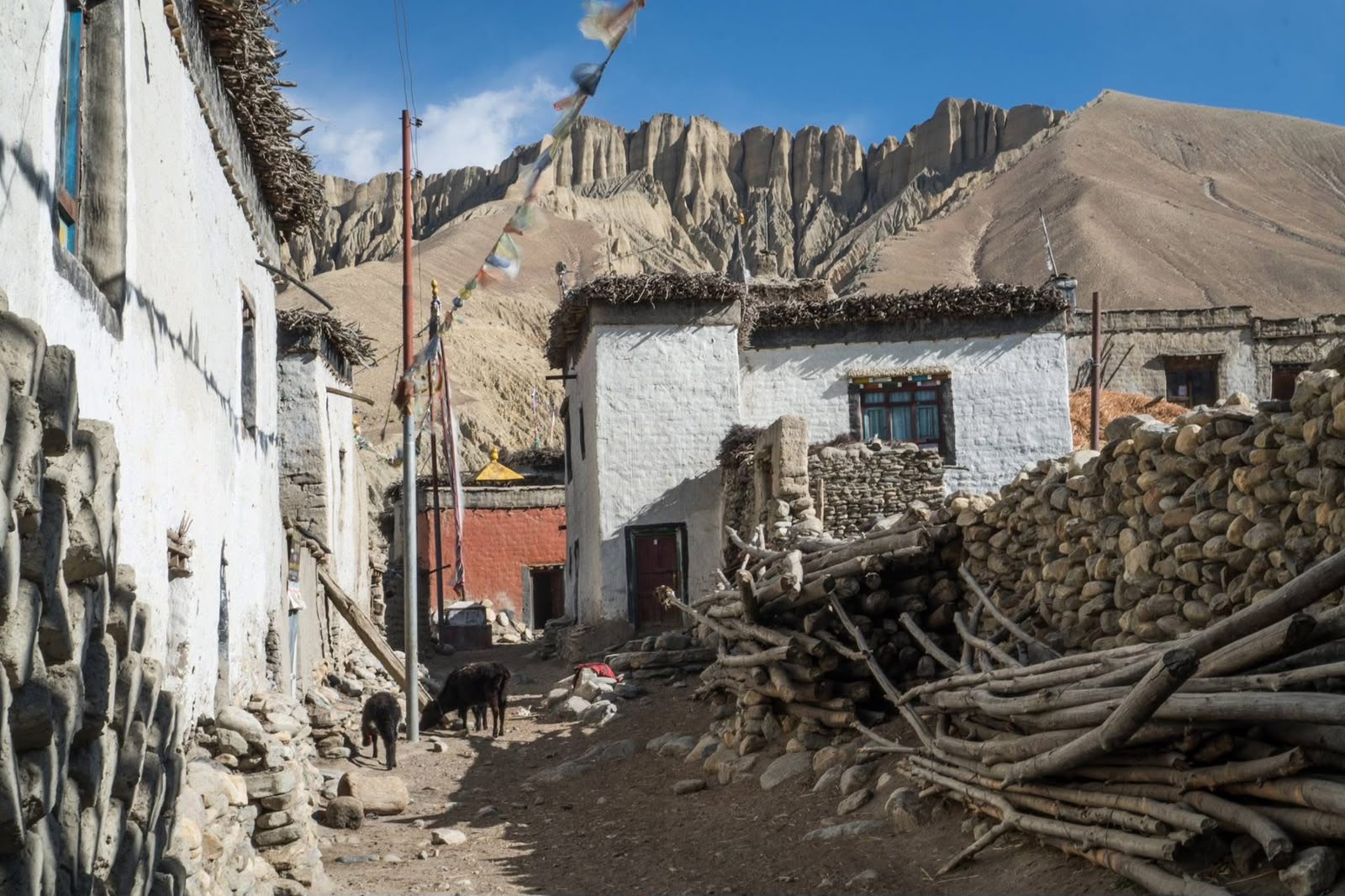
The journey typically begins with a scenic flight or overland drive from Pokhara to Jomsom (2,720 m) before entering the restricted Upper Mustang region through Kagbeni, the official gateway to the ancient Kingdom of Lo. From Kagbeni, the trail ascends through picturesque villages including Chele, Syangboche, Ghami, Tsarang (Charang), and finally reaches the magnificent walled city of Lo Manthang (3,840 m). Each village showcases traditional Tibetan architecture, centuries-old monasteries, colorful prayer flags, and warm local hospitality.
After spending one or two nights exploring Lo Manthang, many trekkers take an additional excursion to Chhoser, where they can visit the famous sky caves, ancient meditation chambers, and centuries-old monasteries carved into towering cliffs. This side trip is considered one of the major highlights of the Upper Mustang Trek and provides deeper insight into the region's rich cultural and archaeological heritage.
The return journey generally follows the same route back to Jomsom, although some itineraries include alternative trails through Dhakmar and Ghar Gompa, one of Mustang's oldest monasteries. This variation offers different landscapes, fewer crowds, and additional opportunities to experience the region's remarkable spiritual heritage before completing the trek.
Pokhara → Jomsom → Kagbeni → Chele → Syangboche → Ghami → Tsarang → Lo Manthang → Chhoser (Optional Exploration) → Dhakmar → Ghar Gompa → Ghiling → Chhuksang → Jomsom → Pokhara
This classic route is considered the best Upper Mustang Trek itinerary because it provides:
For most travelers planning the Upper Mustang Trek in 2027 or 2028, this classic Jomsom–Lo Manthang route remains the finest choice. It combines Nepal's most spectacular desert mountain scenery with centuries of preserved Tibetan heritage, making it one of the most unique and unforgettable trekking experiences in the Himalayas.
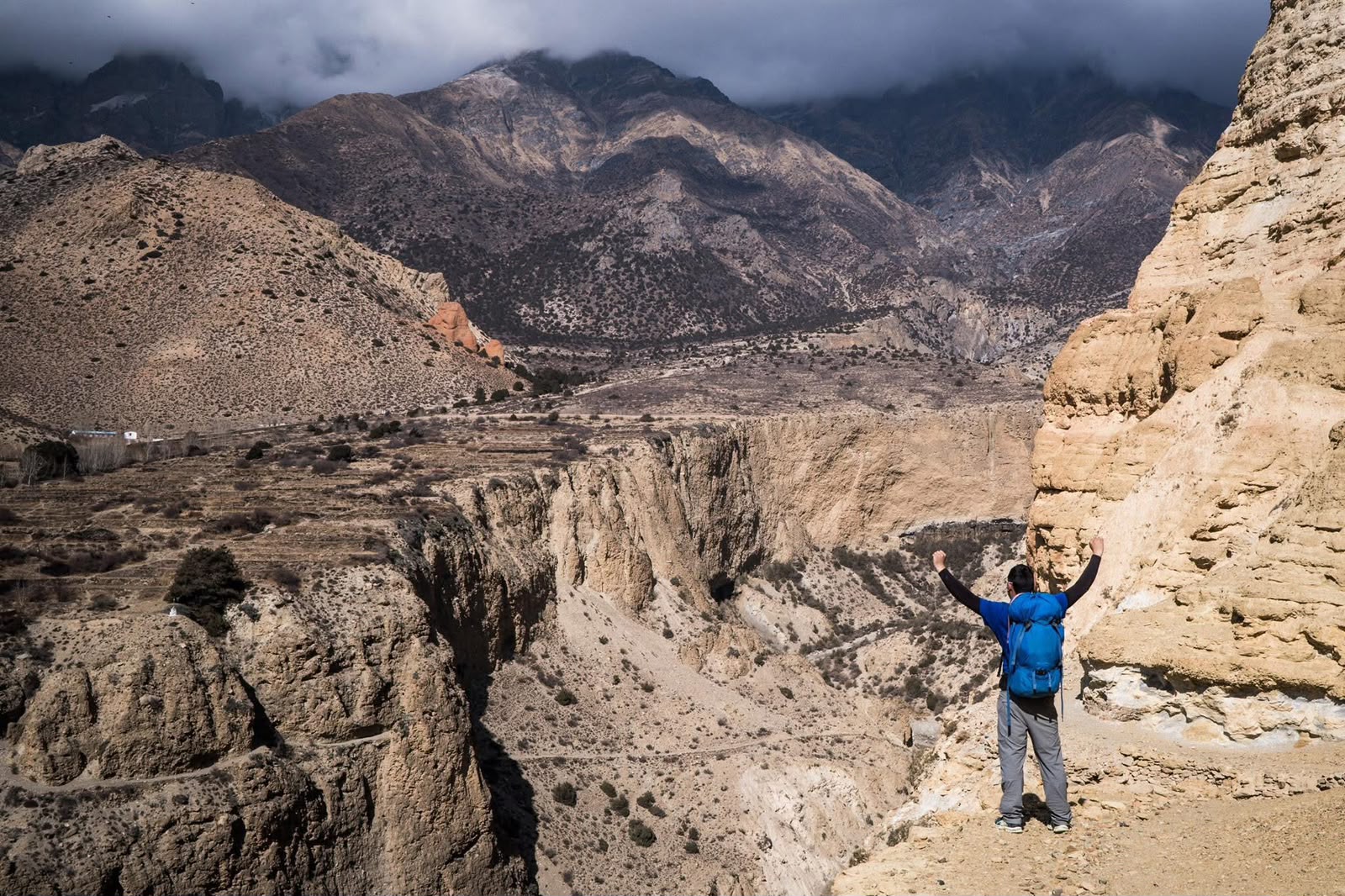
The Upper Mustang Trek is considered a moderate to moderately challenging trek, making it suitable for trekkers with a reasonable level of fitness and a spirit of adventure. Unlike technical peak climbing or high-altitude expeditions, the trek does not require mountaineering skills or previous climbing experience. However, the combination of long trekking days, high altitude, dry weather, rugged terrain, and the remote nature of the region presents several challenges that every trekker should understand before planning the Upper Mustang Trek in 2027 or 2028.
1. High Altitude
2. Long Daily Walking Hours
3. Strong Winds
4. Dry Climate and Dusty Trails
5. Remote Location
6. Basic Tea House Accommodation
7. Restricted Area Regulations
8. Weather Variations
Overall, the Upper Mustang Trek is not considered extremely difficult, but it does require good physical fitness, mental preparation, and proper planning. The absence of technical climbing makes it accessible to most healthy trekkers, while the unique combination of altitude, long walking days, dry terrain, and remote conditions provides an exciting challenge. With professional guides, gradual acclimatization, and the right equipment, the Upper Mustang Trek 2027/2028 is a safe and highly rewarding adventure that offers one of the most authentic cultural and Himalayan trekking experiences in Nepal.
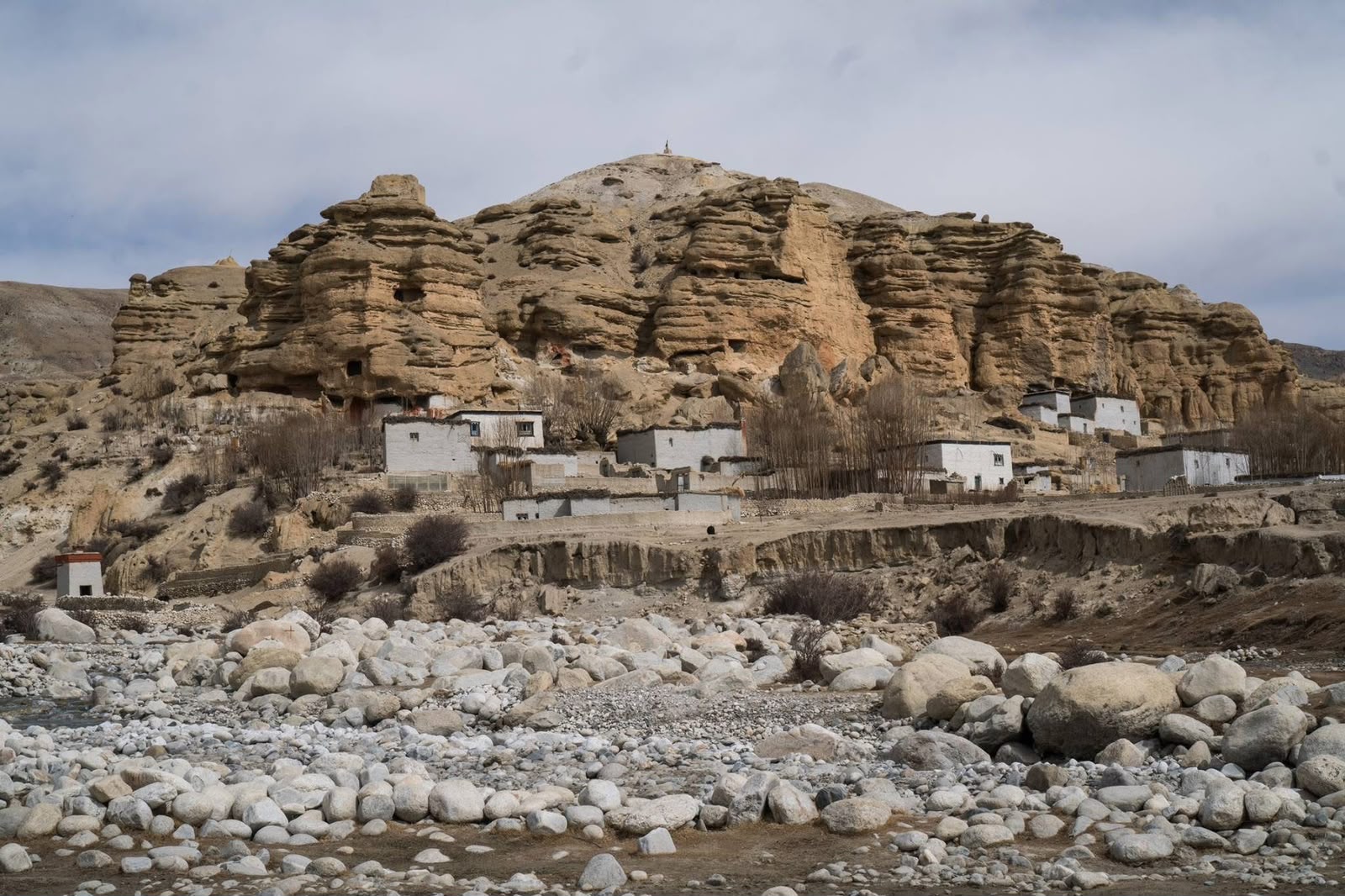
At the heart of the Upper Mustang Trek lies Lo Manthang (3,840 m), the ancient walled capital of the former Kingdom of Mustang and one of the most fascinating cultural destinations in the Himalayas. For travelers planning the Upper Mustang Trek in 2027 or 2028, reaching Lo Manthang is the ultimate highlight of the journey. Surrounded by centuries-old fortress walls and backed by dramatic desert mountains, this medieval city preserves a unique Tibetan Buddhist culture that has remained remarkably unchanged for generations.
Established in the 15th century by King Ame Pal, Lo Manthang was once the capital of the independent Kingdom of Lo, strategically positioned along the historic salt trade route between Tibet and Nepal. Even today, its narrow stone alleys, whitewashed mud-brick houses, royal palace, ancient monasteries, fluttering prayer flags, and welcoming local communities create the feeling of stepping back in time.
1. The Ancient Walled City
2. The Royal Palace
3. Jampa Monastery – The House of God
4. Thubchen Monastery
5. Chode Monastery
6. The Mysterious Chhoser Sky Caves
7. Nyiphu and Garphu Cave Monasteries
8. Ancient Buddhist Art and Murals
9. Tiji Festival
10. Panoramic Himalayan Views
11. Traditional Tibetan Lifestyle
Lo Manthang is far more than the final destination of the trek—it is the cultural and spiritual soul of Upper Mustang. Its ancient walled city, royal history, sacred monasteries, mysterious sky caves, vibrant festivals, timeless traditions, and spectacular Himalayan scenery create an experience unlike anywhere else in Nepal. For travelers planning the Upper Mustang Trek 2027/2028, exploring Lo Manthang offers an unforgettable journey into one of the world's last preserved Himalayan kingdoms, where history, culture, spirituality, and adventure come together in extraordinary harmony.
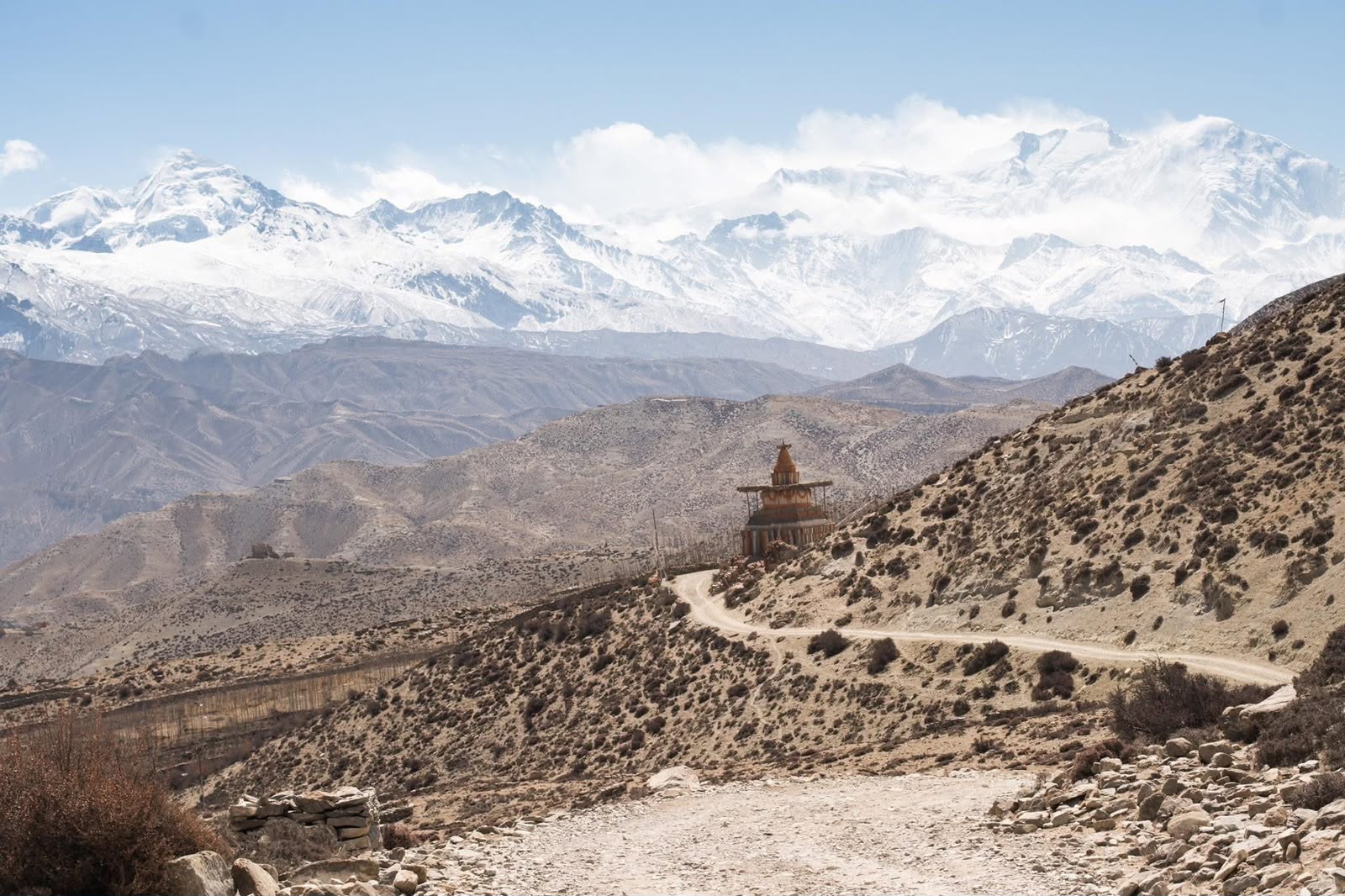
The Tiji Festival is the most spectacular cultural and spiritual event in Upper Mustang, Nepal, attracting travelers, photographers, trekkers, and cultural enthusiasts from around the world. Held annually in the ancient walled city of Lo Manthang, this extraordinary three-day Buddhist festival celebrates the triumph of good over evil, symbolizing peace, prosperity, and protection for the people of Mustang. Rooted in centuries-old Tibetan Buddhist traditions, the festival features vibrant masked dances, sacred rituals, colorful ceremonies, traditional music, and prayers performed by the monks of Chhoede Monastery.
For visitors planning the Upper Mustang Trek in 2027 or 2028, experiencing the Tiji Festival is the ultimate cultural highlight. As the royal courtyard of Lo Manthang comes alive with elaborate masked performances, ancient Buddhist rituals, and thousands of local devotees dressed in traditional attire, travelers gain a rare opportunity to witness one of the Himalayas' most authentic and well-preserved living traditions. Combined with the breathtaking landscapes of the Forbidden Kingdom, ancient monasteries, mysterious sky caves, and the timeless Tibetan culture of Upper Mustang, the Tiji Festival offers an unforgettable Himalayan adventure unlike anywhere else in Nepal.
Because the festival is celebrated according to the Tibetan lunar calendar, its dates change each year. Travelers are strongly encouraged to book their Upper Mustang Trek several months in advance, as permits, flights, accommodations, and experienced guides are in high demand during the festival season.
These dates are widely published by trekking operators based on the Tibetan calendar.
The 2028 dates are currently tentative and are expected to be confirmed by the monks of Chhoede Monastery and local authorities closer to the festival.
Day 1: Tsa Chham- The Beginning of the Sacred Story
Day 2: Nga Chham- The Battle Between Good and Evil
Day 3: Rha Chham- Victory, Blessings, and Celebration
The Tiji Festival Trek is one of Nepal's most exclusive cultural adventures, with limited permits available for the restricted Upper Mustang region. Booking your trek well in advance ensures the best accommodations in Lo Manthang, reliable domestic flights or transportation, experienced local guides, and the opportunity to witness all three days of this extraordinary Himalayan celebration.
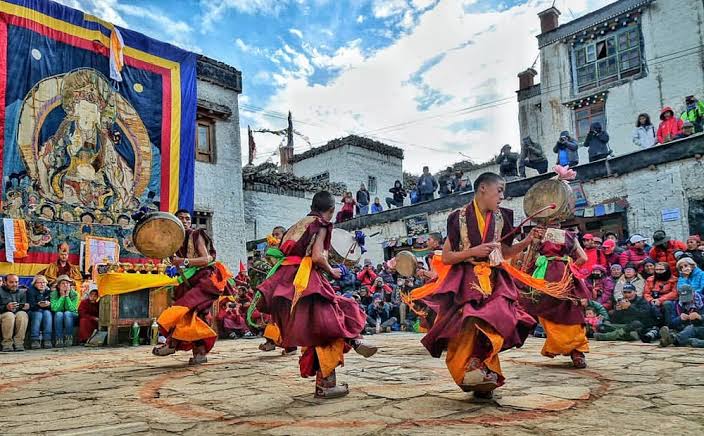
Planning the Upper Mustang Trek in 2027 or 2028 is more than simply choosing a trekking route—it's about preparing for one of Nepal's most unique cultural and high-altitude adventures. At Outward Adventure Treks, our experienced local guides and trekking experts have led countless journeys through the Forbidden Kingdom. Here are our top recommendations to help you enjoy a safe, comfortable, and unforgettable experience.
1. Choose the Best Season
2. Book Early for 2027 & 2028
3. Train Before You Arrive
Although the trek is considered moderately difficult, preparing your body will make the journey much more enjoyable. We recommend:
4. Acclimatize Properly
5. Pack Smart, Not Heavy
Essential items include:
6. Be Ready for Strong Winds
7. Respect Local Culture
8. Carry Enough Cash
9. Stay Hydrated and Eat Well
10. Trek with a Trusted Local Operator
The Upper Mustang Trek is not just a mountain adventure—it is a journey into one of the world's last preserved Himalayan kingdoms. Prepare well, trek responsibly, respect the local culture, and take time to enjoy every village, monastery, and mountain landscape along the way. With the right preparation and an experienced local team, your Upper Mustang Trek 2027/2028 will become one of the most memorable travel experiences of your lifetime.
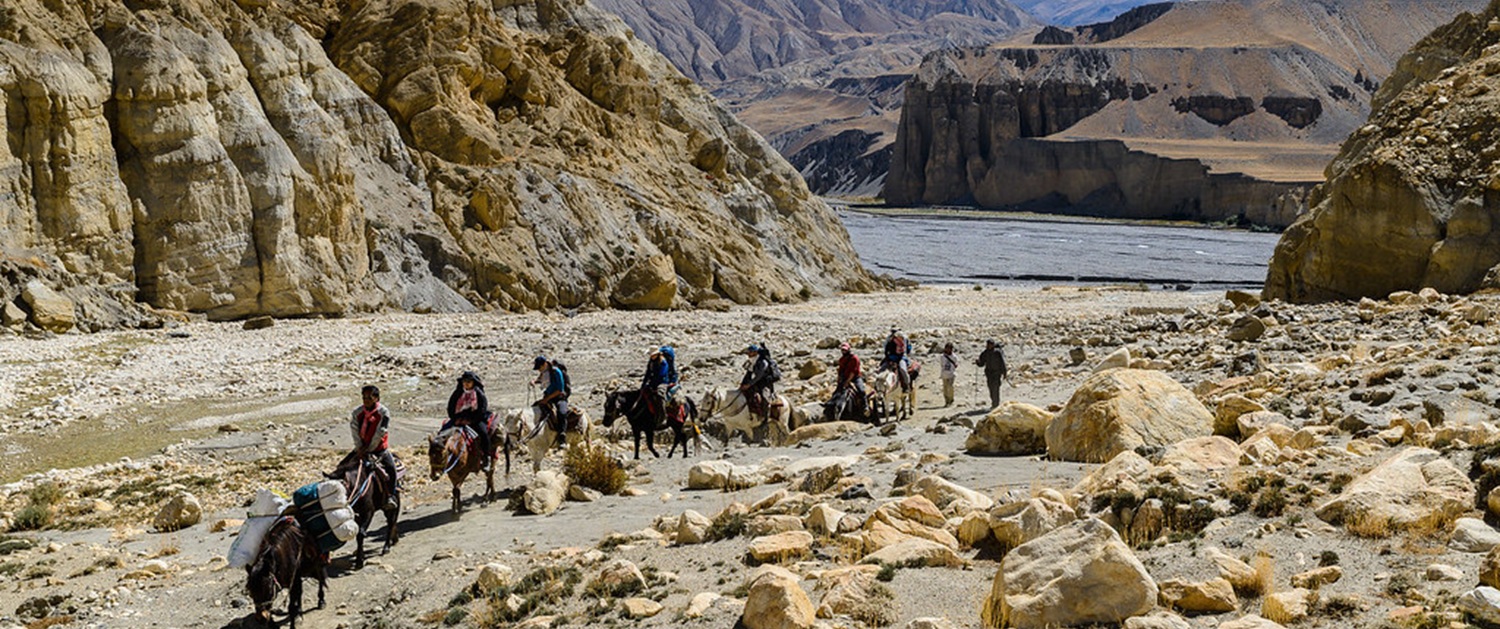
The Upper Mustang Trek is more than a trekking destination—it's a journey into Nepal's hidden Himalayan kingdom, where ancient Tibetan culture, breathtaking desert landscapes, sacred monasteries, mysterious sky caves, and centuries of history come together in one unforgettable adventure. From crossing the dramatic Kali Gandaki Valley to exploring the legendary walled city of Lo Manthang and witnessing the vibrant Tiji Festival, every step offers a unique blend of culture, spirituality, and natural beauty.
Whether you're planning your Upper Mustang Trek in 2027 or 2028, this extraordinary restricted-area trek promises an experience unlike any other in the Himalayas. With expert local guides, carefully planned itineraries, and responsible trekking practices, you can discover one of Nepal's most exclusive destinations safely and comfortably.
If you're looking for an adventure beyond the ordinary, the Upper Mustang Trek is the perfect choice. Book your journey early for 2027/2028 and uncover the timeless beauty, rich heritage, and hidden wonders of Nepal's Last Forbidden Kingdom with Outward Adventure Treks.
 Jul 26, 2026
The Annapurna Circuit Trek is widely recognized as one of the world's greatest trekking adventures, offering an extraord...
Read More Jul 21, 2026
Standing at 6,476 meters (21,247 ft), Mera Peak is Nepal's highest trekking peak and one of the world's most rewarding h...
Read More Jul 14, 2026
Planning a Himalayan adventure in 2027? Everest Base Camp vs Annapurna Base Camp Trek is one of the most searched compar...
Read More Jul 09, 2026
Planning your 2027 Island Peak and Everest Base Camp Trek is your opportunity to experience two of Nepal's most iconic H...
Read More
Leave a Comment