
Any Questions? Email Us
Talk to an Expert
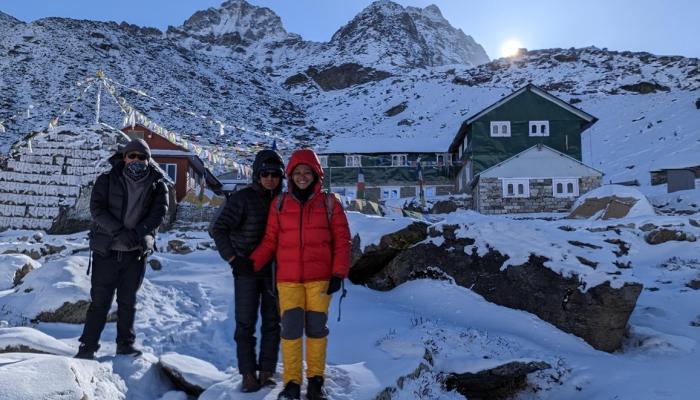
When it comes to climbing in the Himalayas, few experiences match the thrill of summiting Mera Peak, the highest trekking peak in Nepal. Standing at 6,476 meters (21,247 feet), it presents a challenge that combines high-altitude trekking with mountaineering. While the route is not overly technical, it still requires proper preparation, physical fitness, and a solid understanding of the route. So, what are the best routes for climbing Mera Peak?
In this guide, we’ll explore the most popular routes for reaching the summit, the best time to climb Mera Peak, essential climbing gear, and safety tips to ensure you enjoy this awe-inspiring experience.

There are several routes to Mera Peak, each offering a different experience depending on your fitness, mountaineering skills, and personal preferences. The routes typically start from Lukla, where most trekking expeditions begin in Nepal, and then branch off towards Mera Peak. While the climb to Mera Peak is generally non-technical, it’s essential to choose a route that suits your fitness level and acclimatization needs.
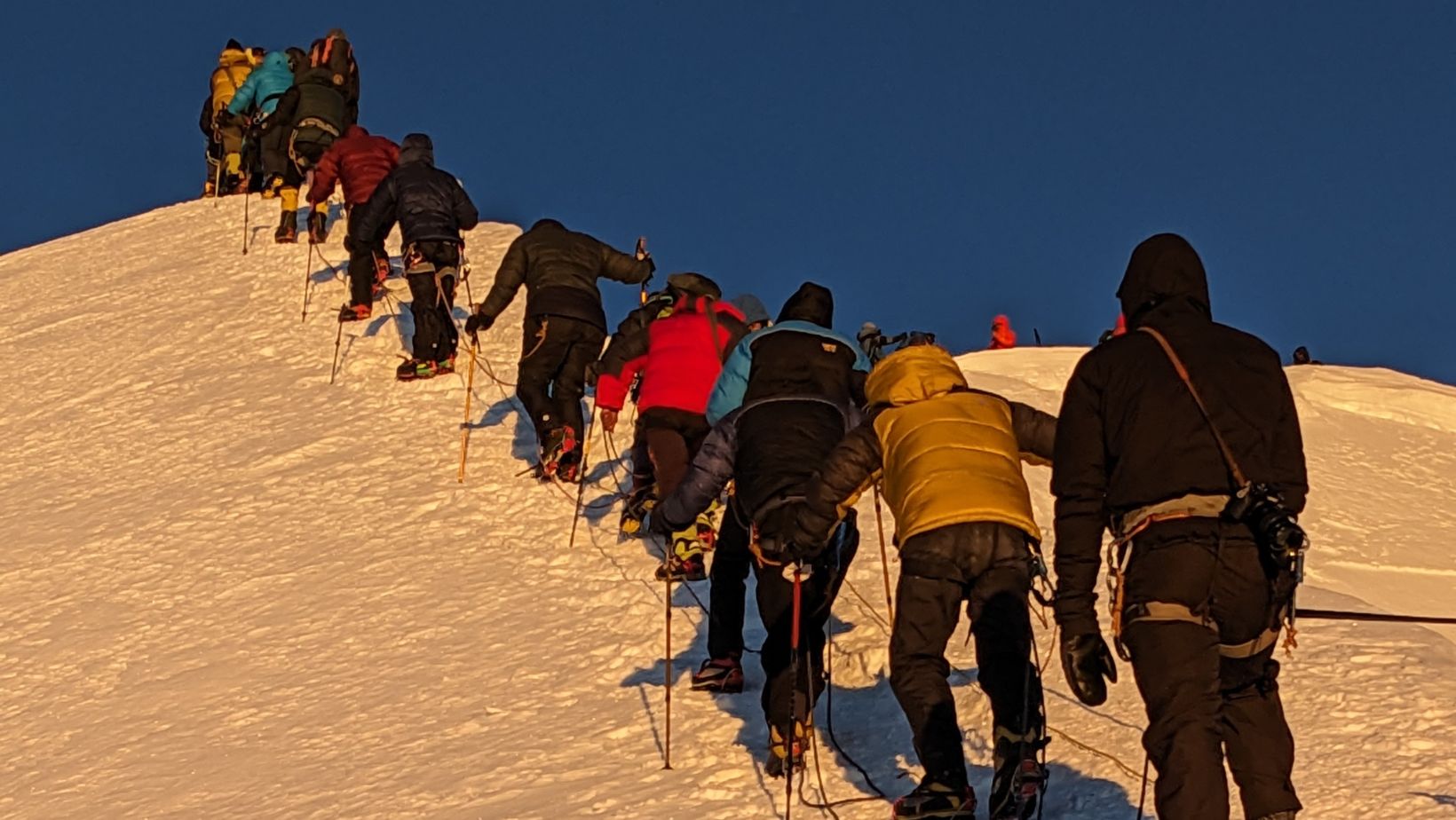
The South East Ridge route is the most commonly used route for climbing Mera Peak and is often recommended for beginners. This route begins in Lukla, a popular gateway for trekkers in Nepal, and follows the traditional trekking path through Pangum or Chutanga.
Key Features:
Best time to climb Mera Peak: April-May and October-November, as these months offer stable weather and clearer skies.
Pros:-
Easier route compared to others, with sufficient acclimatization time at Khare and Mera Base Camp.
Offers stunning views of nearby peaks like Mount Everest, Lhotse, and Makalu.
Cons:-
While not highly technical, altitude sickness can still be a risk, especially at high altitudes.

For trekkers looking for a more remote and less crowded experience, the Hongu Valley route is an excellent option. Starting from Salleri, this route heads toward Hongu Valley, which is considered one of the most pristine trekking areas in Nepal.
Key Features:
Best for:
Experienced trekkers and climbers who want a more challenging and scenic trek.
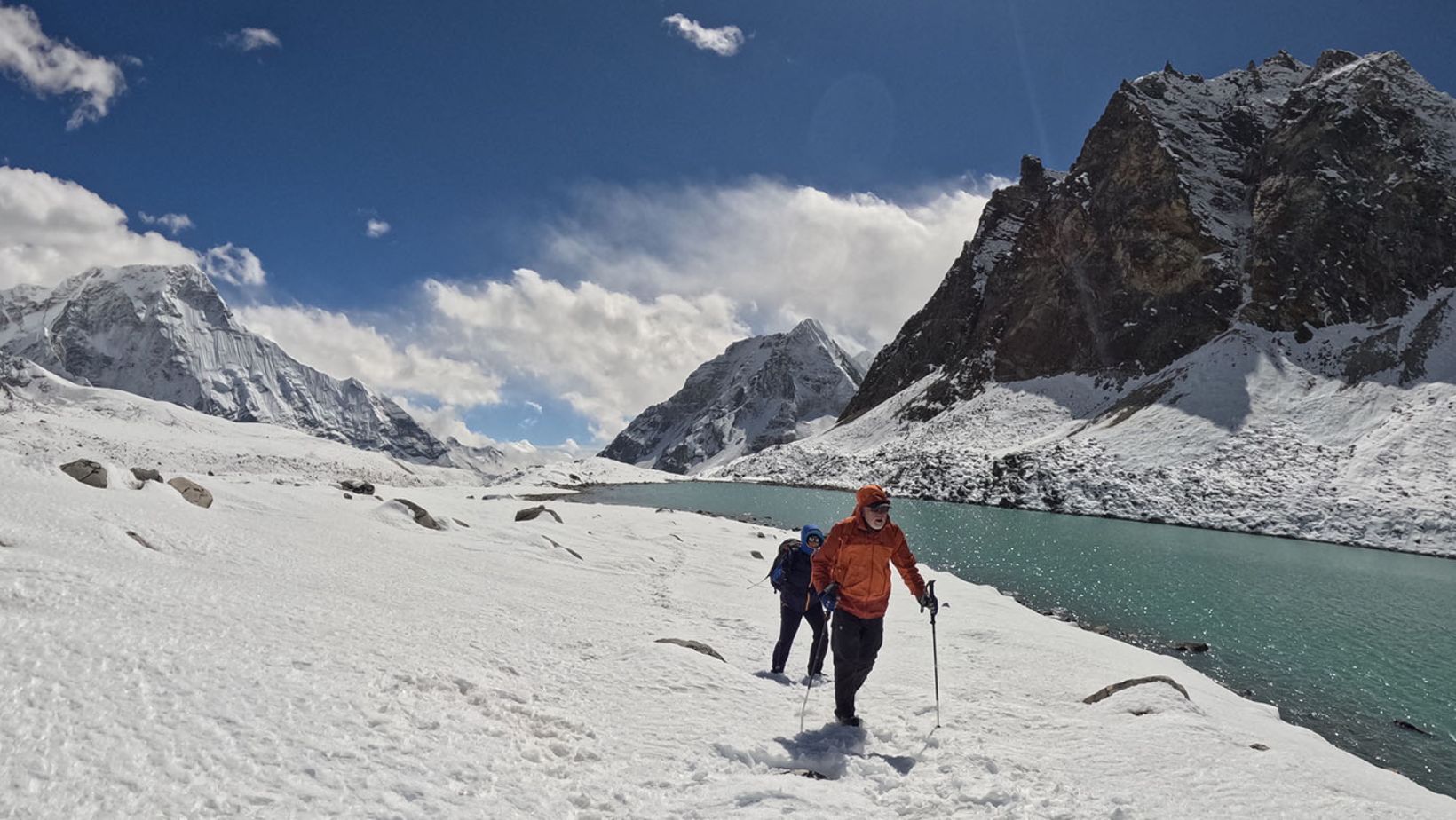
For advanced climbers, the Amphu Labsta Pass route is a challenging but rewarding option. This route combines high-altitude trekking with technical mountaineering, as trekkers must cross the Amphu Labsta Pass before reaching Mera Peak.
Key Features:
The pass is steep and requires technical climbing skills and equipment.
Offers an amazing view of Makalu and the surrounding peaks as you summit.
Pros:
Provides a unique and exciting adventure for experienced climbers who are looking to add a more technical aspect to their trek.
Breathtaking views from Amphu Labsta Pass make this a memorable climb.
Cons:
Requires solid climbing experience and a high level of fitness.
Mera Peak deaths are more likely on this route, so it’s critical to have proper preparation and training.

When selecting a route for climbing Mera Peak, it’s important to consider several factors to ensure a safe and successful expedition.
Fitness Level: Choose a route that aligns with your physical fitness. If you're a beginner, the South East Ridge route might be the best option.
Altitude Acclimatization: Routes like the South East Ridge offer better acclimatization opportunities. Always plan for enough time to adjust to the altitude to avoid altitude sickness.
Experience: More advanced routes like Hongu Valley and Amphu Labsta Pass require prior mountaineering experience.
Climbing Gear: For all routes, you will need basic climbing gear like crampons, an ice axe, a harness, and a helmet.
Climbing Mera Peak typically takes around 14–18 days from Kathmandu, including trekking, acclimatization, and the summit push. The summit day usually lasts 8–10 hours and can be strenuous, especially at high altitudes.
The Mera Peak climb cost ranges from USD 2,000 to 3,000 per person, depending on factors like group size, the trekking agency, and inclusions such as permits, flights, meals, accommodation, and guides. Private climbs tend to cost more than group expeditions.
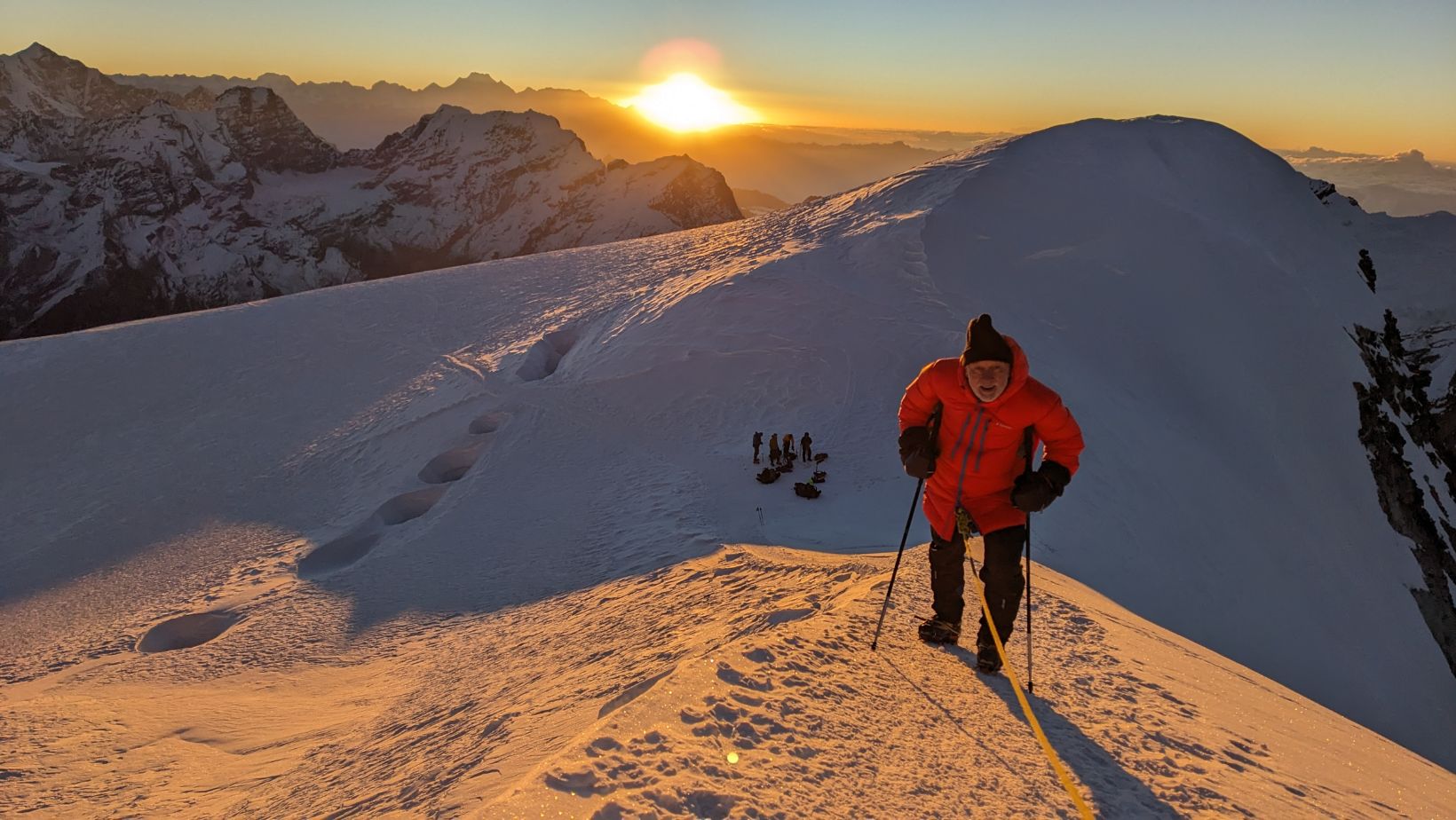
The view from Mera Peak is one of the most incredible aspects of the climb. From the summit, trekkers can enjoy a 360-degree panoramic view of the Himalayas, including towering peaks such as Mount Everest, Lhotse, Makalu, and Cho Oyu. The sweeping vistas make the strenuous climb worthwhile and provide a sense of accomplishment that few other treks can offer.
Climbing Mera Peak is an incredible adventure that combines the thrill of high-altitude trekking with the challenge of mountaineering. Whether you choose the South East Ridge, the more remote Hongu Valley, or the technical Amphu Labsta Pass, each route offers unique experiences and breathtaking views.
By carefully selecting the best route based on your experience and fitness level, and preparing thoroughly for the climb, you can ensure a safe and successful summit. Remember, factors like acclimatization, climbing gear, and cost are crucial to making the most of your Mera Peak expedition.
Are you ready to conquer Mera Peak? Contact Outward Adventure today to book your Mera Peak expedition. Our expert guides will ensure your journey is safe, well-planned, and unforgettable. Let us help you make your Himalayan adventure a reality!
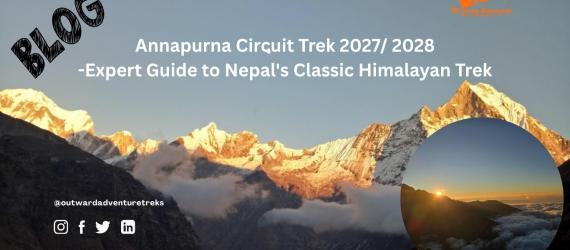 Jul 26, 2026
The Annapurna Circuit Trek is widely recognized as one of the world's greatest trekking adventures, offering an extraord...
Read More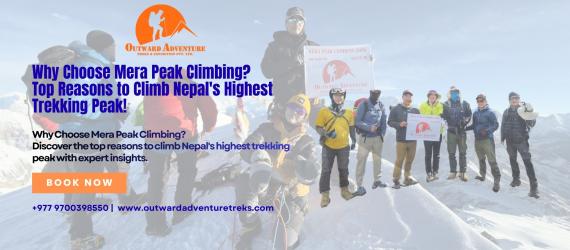 Jul 21, 2026
Standing at 6,476 meters (21,247 ft), Mera Peak is Nepal's highest trekking peak and one of the world's most rewarding h...
Read More Jul 14, 2026
Planning a Himalayan adventure in 2027? Everest Base Camp vs Annapurna Base Camp Trek is one of the most searched compar...
Read More Jul 09, 2026
Planning your 2027 Island Peak and Everest Base Camp Trek is your opportunity to experience two of Nepal's most iconic H...
Read More
Leave a Comment