
Any Questions? Email Us
Talk to an Expert

Mera Peak, standing tall at 6,476 meters (21,247 feet), is the highest trekking peak in Nepal and a dream destination for adventure seekers. Nestled in the Mahalangur section of the Himalayas, this majestic peak offers climbers an exhilarating yet non-technical ascent, making it accessible to those with basic mountaineering skills. What makes Mera Peak truly special is the breathtaking panoramic view from its summit, where five of the world’s highest peaks—Everest, Lhotse, Cho Oyu, Makalu, and Kanchenjunga—stretch across the horizon in a stunning display of nature’s grandeur.
Climbing Mera Peak in March is an excellent choice for several reasons. As winter transitions into spring, the weather begins to stabilize, offering clearer skies and more predictable conditions compared to the harsh cold of February. The trails are less crowded than in April and May, allowing for a more serene and personal experience. Additionally, the snow conditions in March are ideal—firm enough for secure crampon use but not overly icy, reducing the risk of slippery slopes.
While Mera Peak is classified as a "trekking peak," it should not be underestimated. The altitude presents a significant challenge, and climbers must be well-prepared both physically and mentally. However, unlike more technical climbs such as Island Peak or Ama Dablam, Mera Peak does not require advanced mountaineering skills, making it a perfect introduction to high-altitude climbing for those looking to push their limits.
Successfully summiting Mera Peak begins long before you set foot in Nepal. Physical fitness is paramount, as the climb demands endurance, strength, and stamina. A structured training regimen should start at least three to four months in advance, focusing on cardiovascular exercises such as running, cycling, and stair climbing to build lung capacity. Strength training, particularly for the legs and core, is equally important, as carrying a loaded backpack over steep terrain for multiple days will test your muscular endurance.
Mental preparation is another crucial aspect. High-altitude climbing is as much a psychological challenge as it is a physical one. The thin air, freezing temperatures, and prolonged exertion can wear down even the most determined climbers. Practicing mindfulness, visualization techniques, and stress management can help maintain focus and motivation during tough stretches of the climb.
Packing the right gear can make or break your expedition. Since temperatures in March can drop to -20°C (-4°F) at higher elevations, proper insulation is essential. Layering is key—start with moisture-wicking base layers, add insulating mid-layers like fleece or down, and finish with a waterproof and windproof outer shell. High-quality mountaineering boots, crampons, an ice axe, and a climbing harness are non-negotiable for the summit push. Other essentials include a high-altitude sleeping bag rated for extreme cold, UV-protection sunglasses, a reliable headlamp, and a durable backpack.
The journey to Mera Peak begins in Kathmandu, Nepal’s vibrant capital. Most international flights land at Tribhuvan International Airport, where travelers can obtain a 30-day tourist visa on arrival. After a day or two of final preparations—including gear checks and briefings with your guide—you’ll take a thrilling flight to Lukla, home to one of the world’s most dangerous airports due to its short, sloping runway.
From Lukla, the trek officially begins, winding through lush forests, remote Sherpa villages, and high mountain passes. Before setting off, climbers must secure the necessary permits: the Sagarmatha National Park Permit, the Mera Peak Climbing Permit (which costs around $250 in March), and a local area permit for the Hinku Valley. These documents are typically arranged by your guiding agency, but independent climbers must obtain them in Kathmandu.
A standard Mera Peak expedition takes between 14 to 18 days, allowing ample time for acclimatization and weather contingencies. The first few days involve trekking from Lukla to Paiya, passing through picturesque landscapes of rhododendron forests and terraced fields. The trail then ascends toward the Zatrwa La Pass (4,600m), a challenging but rewarding section that offers the first real taste of high-altitude trekking.
Upon entering the Hinku Valley, the scenery transforms into a rugged alpine wilderness. The village of Kothe (3,600m) serves as an important acclimatization stop before pushing onward to Khare (5,045m), the last settlement before base camp. Here, climbers spend a day practicing essential skills like ice axe arrest, crampon techniques, and rope management.
The summit push begins from High Camp (5,800m), where climbers wake around 2 AM to take advantage of firmer snow conditions. Using headlamps to navigate the glacier, the ascent involves a steady climb up a 40-degree slope, with fixed ropes assisting in steeper sections. Reaching the summit at dawn is an unforgettable experience, as the first light of day illuminates the Himalayan giants in a spectacular display of colors.
Outward Adventure Treks has prepared this itinerary for Mera Peak Climbing for March.
Day 1: Kathmandu (1,338m/4,390ft) Arrival
Day 2: Kathmandu Sightseeing and Climbing Preparation
Day 3: Fly Lukla (2,850m/9,350ft) and trek to Chhutang (3,100m /10,170ft) - 4 hours
Day 4: Trek Chhutang to Tulikharka (4,300m/14,107ft) - 8 hours
Day 5: Trek Tulikharka to Kothe (3,580m/11,745ft) - 7 hours
Day 6: Trek Kothe to Tangnang (4,358m/14,297ft) - 6 hours
Day 7: Trek Tangnang to Khare (5,045m / 16,552ft) - 5-6 hour
Day 8: Rest day at Khare – Acclimatization and Ice Climbing Practice
Day 9: Trek Khare to Mera High camp (5,750m/18,865ft) - 5-6 hours
Day 10: Climb Mera High Camp to Summit to Mera Peak (6,476 m / 21,247 ft) and back to Khare – 9-10 hours
Day 11: Contingency Day in Case of Bad Weather
Day 12: Trek Khare to Khote – 6-7 hours
Day 13: Trek Kothe to Zatrabu/Tulikharka - 6-7 hours
Day 14: Trek Thulikharka to Lukla - 8 hours
Day 15: Fly back to Kathmandu
Day 16: Rest Day in Kathmandu
Day 17: Final Departure
March marks the beginning of the spring climbing season in Nepal, offering a sweet spot between winter’s extreme cold and the busier months of April and May. Daytime temperatures at lower elevations range from 5°C to 10°C (41°F to 50°F), while nighttime temperatures at higher camps can plummet to -15°C to -20°C (5°F to -4°F). Snow conditions are generally stable, providing good traction for crampons, though occasional late-winter storms can bring fresh snowfall.
Wind speeds are typically moderate in March, but summit day can still be breezy, requiring extra layers and windproof gear. Visibility is usually excellent, with crisp, clear skies offering unobstructed views of the surrounding peaks. However, climbers should always be prepared for sudden weather changes, as mountain conditions can shift rapidly.
One of the biggest challenges of climbing Mera Peak is managing altitude sickness. Acute Mountain Sickness (AMS), High Altitude Pulmonary Edema (HAPE), and High Altitude Cerebral Edema (HACE) are serious risks that can affect even the fittest climbers. Symptoms include headaches, nausea, dizziness, and shortness of breath.
To minimize these risks, a well-planned acclimatization schedule is essential. The golden rule is to “climb high, sleep low”—gaining altitude during the day but descending slightly to sleep. Hydration is another critical factor; drinking at least 4 liters of water daily helps the body adjust to the thin air. Avoiding alcohol and heavy meals can also aid acclimatization.
In case of severe symptoms, immediate descent is the best treatment. Carrying a portable hyperbaric chamber (Gamow bag) can be lifesaving in emergencies, and travel insurance that covers high-altitude rescue is strongly recommended.
The trek to Mera Peak alternates between teahouse lodges and camping. In lower villages like Lukla and Paiya, teahouses offer basic but comfortable accommodations with shared rooms and hearty meals of dal bhat (rice and lentils), noodles, and soups. As you ascend beyond Khare, camping becomes necessary, with expedition teams setting up tents at designated sites.
Nutrition plays a vital role in maintaining energy levels. Carbohydrate-rich foods like pasta, potatoes, and porridge provide sustained energy, while protein helps with muscle recovery. Snacks like nuts, chocolate, and energy bars are great for quick boosts during long trekking days. Staying hydrated is equally important—warm herbal teas and electrolyte drinks help combat dehydration in the dry mountain air.
While it’s possible to climb Mera Peak independently, hiring a reputable guide or joining an organized expedition significantly increases safety and success rates. Experienced guides not only navigate the route but also monitor weather conditions, manage acclimatization, and provide emergency support.
Recommended agencies include International Mountain Guides (IMG), Peak Promotion, and Himalayan Guides, all of which have extensive experience leading Mera Peak expeditions. When selecting a company, look for those with certified guides, strong safety records, and positive client reviews.
Climbing any mountain involves inherent risks, and Mera Peak is no exception. Avalanches, crevasses, and sudden weather changes are potential hazards. To mitigate these dangers, climbers should always travel with experienced guides, adhere to acclimatization schedules, and carry essential safety gear like avalanche transceivers and crevasse rescue equipment.
Helicopter evacuations are possible in emergencies, but only if you have insurance that covers high-altitude rescues. Purchasing a policy from providers like World Nomads or Global Rescue ensures financial protection in case of unforeseen incidents.
The trek to Mera Peak passes through traditional Sherpa villages, where respecting local customs is important. A simple greeting of “Namaste” goes a long way in fostering goodwill. The Himalayan environment is fragile, so practicing Leave No Trace principles—packing out all trash, avoiding plastic waste, and using designated camping areas—helps preserve this pristine landscape for future generations.
After summiting, the descent back to Lukla is a time for reflection and celebration. Many climbers choose to relax in Kathmandu, exploring its ancient temples and vibrant markets. The Nepal Mountaineering Association (NMA) issues a summit certificate, a cherished memento of your achievement.
Mera Peak in March is an extraordinary adventure that combines physical challenge, stunning scenery, and cultural immersion. With proper preparation, a reliable guide, and respect for the mountain, climbers can safely experience the thrill of standing atop one of Nepal’s most iconic trekking peaks. Whether you’re a seasoned trekker or a first-time mountaineer, Mera Peak offers an unforgettable journey into the heart of the Himalayas.
 Jul 21, 2026
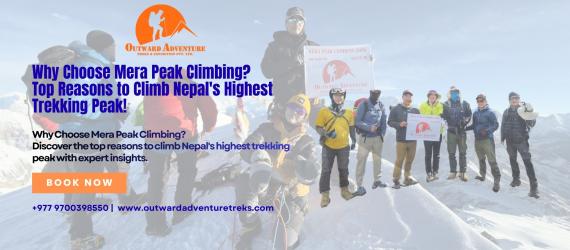
Standing at 6,476 meters (21,247 ft), Mera Peak is Nepal's highest trekking peak and one of the world's most rewarding h...
Read More Jul 14, 2026
Planning a Himalayan adventure in 2027? Everest Base Camp vs Annapurna Base Camp Trek is one of the most searched compar...
Read More Jul 09, 2026
Planning your 2027 Island Peak and Everest Base Camp Trek is your opportunity to experience two of Nepal's most iconic H...
Read More Jul 05, 2026
Nepal is globally recognized as the heart of Himalayan mountaineering, offering the world's most iconic high-altitude ex...
Read More
Leave a Comment