
Any Questions? Email Us
Talk to an Expert
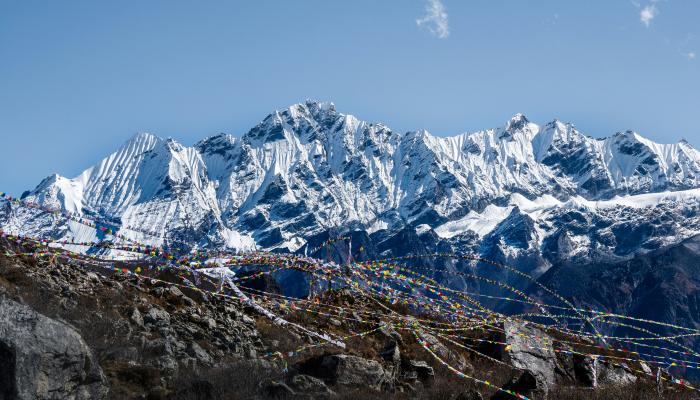
Nepal, known for the Himalayas, stands out as a top trekking destination for adventurers and trekkers all around the world. The iconic regions, such as Annapurna and Everest Base Camp, offer an unforgettable trekking experience, as well as the restricted areas like Upper Mustang.
But before they can walk on those thrilling trails, they must secure a valid trekking permit. Safety and security of the permit holders are ensured through the permits in addition to promoting legal trekking. These permits also support environmental conservation and local communities.
Understanding the trekking permit systems and the application process is essential to avoid unnecessary complications, whether the trekker is trekking solo or with a licensed agency.
The trekking permits can be acquired directly from affiliated government offices or arranged with the help of trusted trekking companies like Outward Adventure Treks. This guide provides all the required information to successfully secure trekking permits, ensuring a smooth and memorable adventure.
A standard tourist visa only permits entry and travel within urban areas. To travel outside Nepal's major cities and areas accessible by road, one must have a trekking permit.
So, trekkers must obtain the necessary Nepal trekking permits in advance in order to access the popular trekking destinations like the Annapurna region, Everest Base Camp, Langtang Valley, or other restricted areas like Upper Mustang.

Nearly a million foreign visitors come to Nepal each year, with hundreds of thousands coming just for trekking. With such a huge number of trekkers arriving, it is necessary to ensure their safety. These trekking permits allow government authorities to track their movements, manage trail traffic, and respond efficiently in case of emergencies.
Systems such as the TIMS card Nepal allow authorities to track trekking routes, manage trail use, and coordinate emergency rescue operations when needed.
Along with providing safety for the trekkers, trekking permits also directly contribute to the maintenance of trekking routes, conservation of national parks, and preservation of restricted areas.
They also act as a source of income for local communities by opening employment opportunities through tourist related activities. By following trekking permit requirements, trekkers actively support conservation efforts and local communities, also allowing for a responsible trekking experience in Nepal.
Nepal has various permit systems to oversee the trekking activities and to make sure that the safety of trekkers is not compromised. Depending on the trekking region, one or more permits may be required.

The TIMS card Nepal, administered by the Trekking Agencies’ Association of Nepal (TAAN) records necessary trekkers information such as trekker details and planned itineraries, allowing authorities to monitor their movements and respond efficiently in case of emergencies.
When applying for a TIMS card, a fixed fee must be paid based on nationality:
TIMS cards can be obtained online through the Nepal Tourism Board (NTB) E-TIMS portal or by visiting Nepal Tourism Board offices in Kathmandu or Pokhara in person. The entire process can also be carried out through registered trekking agencies such as Outward Adventure Treks who arrange the card on behalf of trekkers.
Most trekkers traveling in non-restricted regions require a TIMS card. It is compulsory for popular routes such as Annapurna and Langtang. However, in certain areas, including parts of the Everest region, alternative local permit systems apply, and a TIMS card may not be required.

To access Nepal’s protected regions, trekkers must obtain permits issued by the Department of National Parks and Wildlife Conservation or the relevant conservation authorities. These permits are mandatory under Nepal trekking regulations.
The following table shows the type of permit one requires and the region the permit covers, with foreigners paying NRs. 3,000 and SAARC nationals paying NRs. 1,000 (including tax). In addition to that, if the permit is taken online, an extra 2.9% is charged as a Payment Gateway Charge. Double fees are also levied for permits issued at Check-Posts.
| Permit Type | Region |
| Annapurna Conservation Area Permit (ACAP) | Annapurna region |
| Sagarmatha (Everest) National Park Permit | Everest Base Camp & surrounding areas |
| Langtang National Park Permit | Langtang Valley |
| Manaslu Conservation Area Permit (MCAP) | Manaslu region |
| Kanchanjunga Conservation Area Permit (KCAP) | Kanchanjunga region |
Source: Nepal Tourism Board (NTB)
Each conservation area has its own permit fee and designated entry point. All are compulsory for trekkers and form part of the official trekking permit requirement.
Certain trekking regions in Nepal are classified as restricted areas to protect the surrounding ecosystems and preserve the unique cultural heritage of that area. Restricted Area Permit (RAP) is essential in order to trek through these regions.
Upper Mustang, Manaslu, and Dolpo along with other regions fall under the popular restricted trekking destinations choices of the trekkers. For further details on these regions and their permit fees, one can visit the Nepal Tourism Board’s Website.
These permits come with strict regulations:
The trekking permits can be obtained through several official channels:
Working with a licensed agency such as Outward Adventure Treks simplifies the process and ensures compliance with all regulations. Agencies handle paperwork, arrange guides, coordinate groups, and manage renewals, making trekking in Nepal hassle-free and legally valid.

To apply for Nepal trekking permits, the following documents are generally required:
While not always mandatory, travel insurance is highly recommended for the safety of the trekkers. Also, keeping extra copies of these documents is recommended, as it can prevent delays during the permit process or checkpoints on the trail.
Below are a few tips to ensure a smooth and stress-free trekking experience:
A safe, legal, and responsible trekking experience can be secured by obtaining the necessary trekking permits for Nepal. From the TIMS card Nepal to conservation and restricted area permits, each permit plays its part in protecting trekkers, communities, and the environment.
Unnecessary complications can be avoided by being aware of the permit requirements and collaborating with trusted trekking agencies like Outward Adventure Treks. Whether trekking to Everest Base Camp, exploring the Annapurna region, or venturing into restricted areas like Upper Mustang or Dolpo, proper planning ensures peace of mind and a truly unforgettable trekking experience in Nepal.
1. Do short treks near Kathmandu require permits?
No, most short day hikes near Kathmandu, such as Nagarkot, do not require trekking permits. However, protected areas like Shivapuri National Park may charge local entry fees.
2. Can permits be obtained on arrival?
Yes, TIMS cards and some conservation permits can be obtained in Kathmandu or Pokhara after arrival, but restricted area permits must be arranged in advance through a registered agency.
3. Are trekking permits available at Tribhuvan International Airport (TIA) or other airports in Nepal?
No, trekking permits are not issued at Tribhuvan International Airport (TIA) or at other airports in Nepal. Only tourist visas are available on arrival at TIA. Trekking permits such as TIMS cards, conservation area permits, and restricted area permits must be obtained separately from authorized offices.
4. Where can trekking permits be obtained in Kathmandu?
Trekking permits can be obtained from:
5. Can trekking permits be applied for online in Nepal?
Yes, TIMS cards can be applied for online via the NTB E-TIMS system. However, ACAP permits, restricted area permits, and local permits usually require in-person processing or agency assistance.
6. How to get a TIMS card in Nepal?
A TIMS card can be obtained:
7. How much is the TIMS permit in Nepal?
The TIMS card fee is NRs 1,000/ USD 7 for SAARC nationals and NRs 2,000/USD 14 for other foreign nationals.
8. Which trekking regions require National Park or Conservation Area permits?
Popular trekking regions such as Annapurna, Langtang, Everest (Sagarmatha National Park), Manaslu Conservation Area, and Shivapuri National Park require National Park or Conservation Area permits.
9. How much does a National Park or Conservation Area permit cost?
10. Are there additional charges for online permit applications for National Park or Conservation Area?
Yes. When permits are obtained online, an additional 2.9% payment gateway charge is applied to the total permit fee.
11. Is there a penalty for obtaining National Park or Conservation Area permits at checkpoints?
Yes. Double fees are levied if permits are issued at checkpoints instead of authorized offices, in accordance with Nepal trekking regulations.
12. What is a Restricted Area Permit in Nepal?
A Restricted Area Permit (RAP) is required to trek in controlled regions such as Upper Mustang, Manaslu, and Dolpo. RAPs are designed to protect fragile ecosystems, preserve local culture, and maintain security in sensitive areas.
13. How much does a Restricted Area Permit cost?
RAP fees vary by region and duration of stay. Charges are per person and typically calculated on a weekly basis. Fees are higher than standard conservation permits, reflecting the restricted nature of these areas.
14. Are RAP fees refundable?
No. RAP fees are non-refundable, even if the trek is canceled, shortened, or delayed.
15. Can Restricted Area Permits be obtained independently or online?
No. RAPs cannot be applied online or for a solo trekker. They must be arranged through registered trekking agencies. Solo trekking in restricted areas is not permitted, and a licensed guide along with a minimum group size is mandatory.
16. Where can Restricted Area Permits be obtained?
RAPs are issued by the Department of Immigration in Kathmandu and must be processed only through registered trekking agencies. Agencies handle paperwork, guide arrangements, and coordinate with authorities.
17. Are permits checked during treks?
Yes, permits are commonly checked at checkpoints and trail entry points, conservation checkpoints, and along popular trekking routes.
18. What happens if trekking is done without a permit?
Trekking without a permit is illegal and may result in fines or being denied access to trekking routes.
 Jul 21, 2026
Standing at 6,476 meters (21,247 ft), Mera Peak is Nepal's highest trekking peak and one of the world's most rewarding h...
Read More Jul 14, 2026
Planning a Himalayan adventure in 2027? Everest Base Camp vs Annapurna Base Camp Trek is one of the most searched compar...
Read More Jul 09, 2026
Planning your 2027 Island Peak and Everest Base Camp Trek is your opportunity to experience two of Nepal's most iconic H...
Read More Jul 05, 2026
Nepal is globally recognized as the heart of Himalayan mountaineering, offering the world's most iconic high-altitude ex...
Read More
Leave a Comment