
Any Questions? Email Us
Talk to an Expert
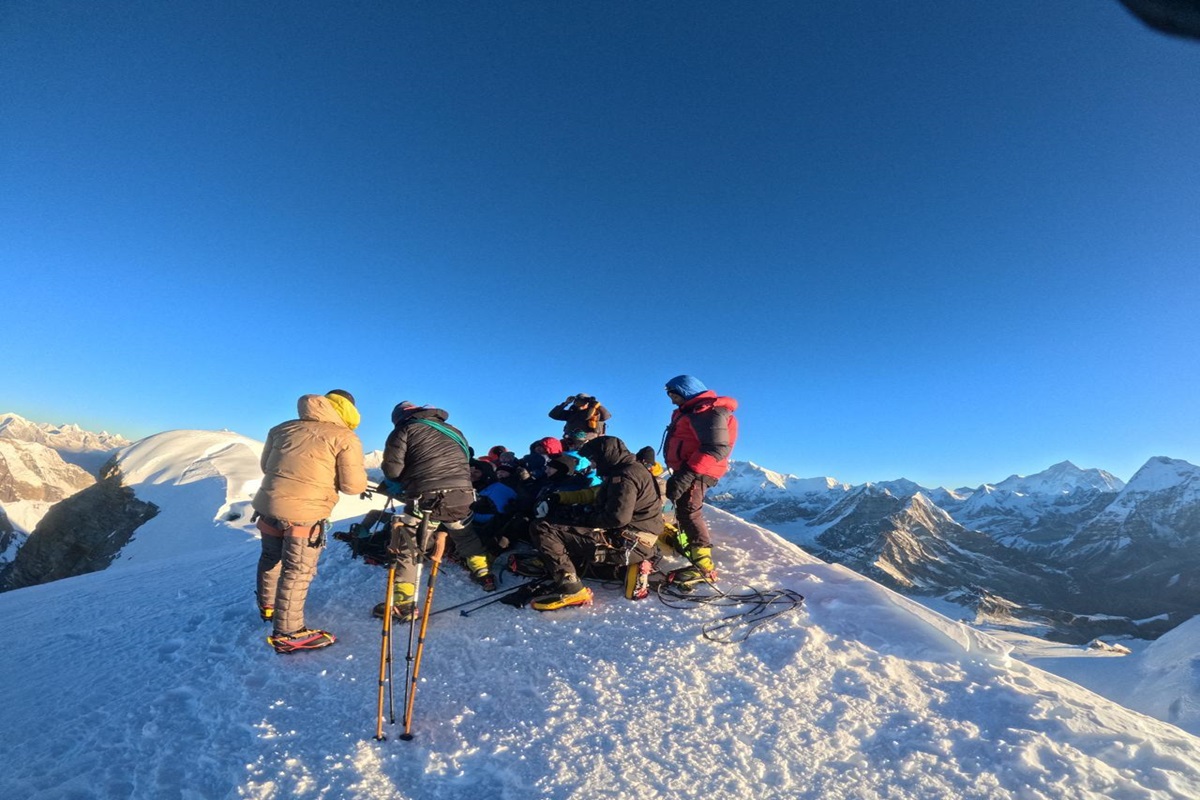
For a successful ascent to any peak, including Mera, packing the appropriate gear is crucial. Having a good gear list helps you pack only what you need. It stops you from bringing too much stuff. Take your time packing. Think about how you can fit everything into your bag. Smart packing makes your high-altitude climb safer and more fun.
We at Outward Adventure Trek and Expedition helps you package wisely and appropriately just before the day the journey begins. With years of experience leading Mera Peak expeditions, our team knows exactly which gear is essential for safety and comfort at high altitudes. According to the Nepal Mountaineering Association, Mera Peak is the highest trekking peak in Nepal at 6,476 meters (21,247 feet), and proper gear selection is crucial for a safe and successful ascent. As Mera Peak Climbing is a combination of trekking and climbing, always try to pack items that are light and can be used for many things. The best way to pack is to make your bag as light as possible while still having what you need.

Throughout the trek, from Lukla to Khare and vice versa, you will have a porter, and a porter carries about 15-20 KG, and if the duffle bag is too heavy, you have to carry the extra weight yourself, or you can pay to hire another porter.
However, saying so, make sure you don't forget the most important things and double-check that all your gear works well, which makes your Mera Peak trip comfortable.
Mera Peak Expedition is a long journey that takes at least two weeks to be completed, where you need to be safe and comfortable, where you will be crossing varied climates that pass from warm, sub-tropical areas to cold, high-altitude regions. You need to be aware of which season you are climbing. If you are in peak months, October, November, April, and May, you may complete it with the standard gear list, and if you are preparing for winter, you need to pack warmer and thicker clothes and clothes than the them and if in summer, you need to be aware of slippery roads, heavy showers, and should be prepared accordingly.

All the required gear, including clothes and trekking/climbing gear, is available in Kathmandu. You can both hire and buy those gears and clothes. Throughout the trek, you can use the normal gear and equipment. But the final part of the climb is a little tough. You will need ropes, ice axes, and other tools. The weather in the mountains can change fast. It can get very cold. So, pack layers of clothing. This lets you change your clothes to match the weather. Being ready for these changes is very important.


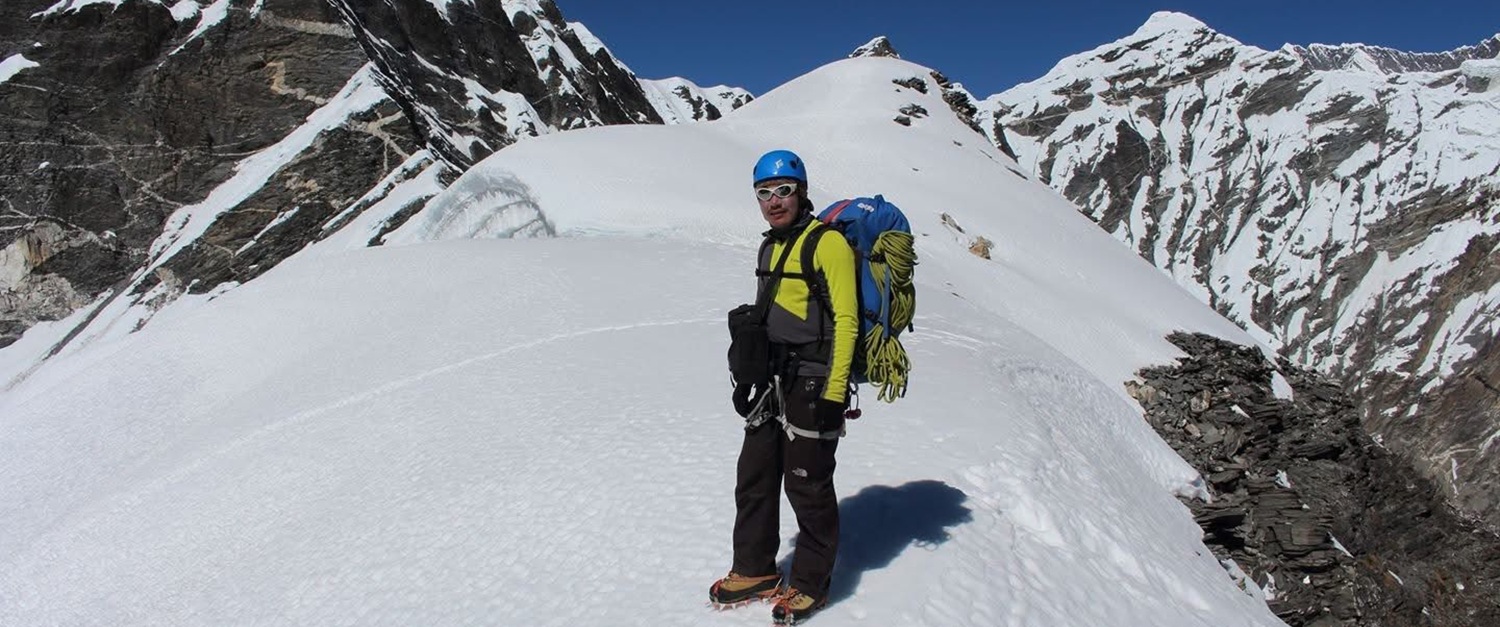
Packing well is the first step to a comfortable and successful trek. Here are some smart ways to pack for your Mera Peak adventure, ensuring you're prepared without being weighed down.
Start by making a complete list of everything you'll need.This keeps you organized and ensures you don’t miss anything important. As you pack, focus on lightweight and compact gear. Choosing items made from light materials will reduce the total weight of your bag, making it much easier to carry.
Use the layering system for your clothes. This allows you to increase or eliminate layers to stay comfortable as the weather and your activity level change. To save space and keep things tidy, roll your clothing instead of folding it. You can also use compression bags or packing cubes to squeeze out air and organize your clothes neatly.
Keep items you'll need often, like snacks, water, or a rain jacket, in outside pockets or at the very top of your bag. This gives you quick access without having to empty everything out. For heavier items, place them closer to your back and in the middle of your pack. This helps you keep your balance and protects your back from strain.
The weather on Mera Peak can be unpredictable. Use waterproof bags or dry bags to protect your important items like electronics, documents, and extra clothes from rain, snow, or moisture.
Choose a gear that can be used for more than one thing. For example, a buff can be a hat, a headband, or a neck warmer. This helps you pack less while still being prepared. Finally, if you plan to buy knick-knacks, be sure to leave a little additional space in your bag.
Before you start your trek, put on your fully packed backpack and take a short walk. This lets you check the fit and adjust the straps to make sure you're comfortable and the weight is balanced.
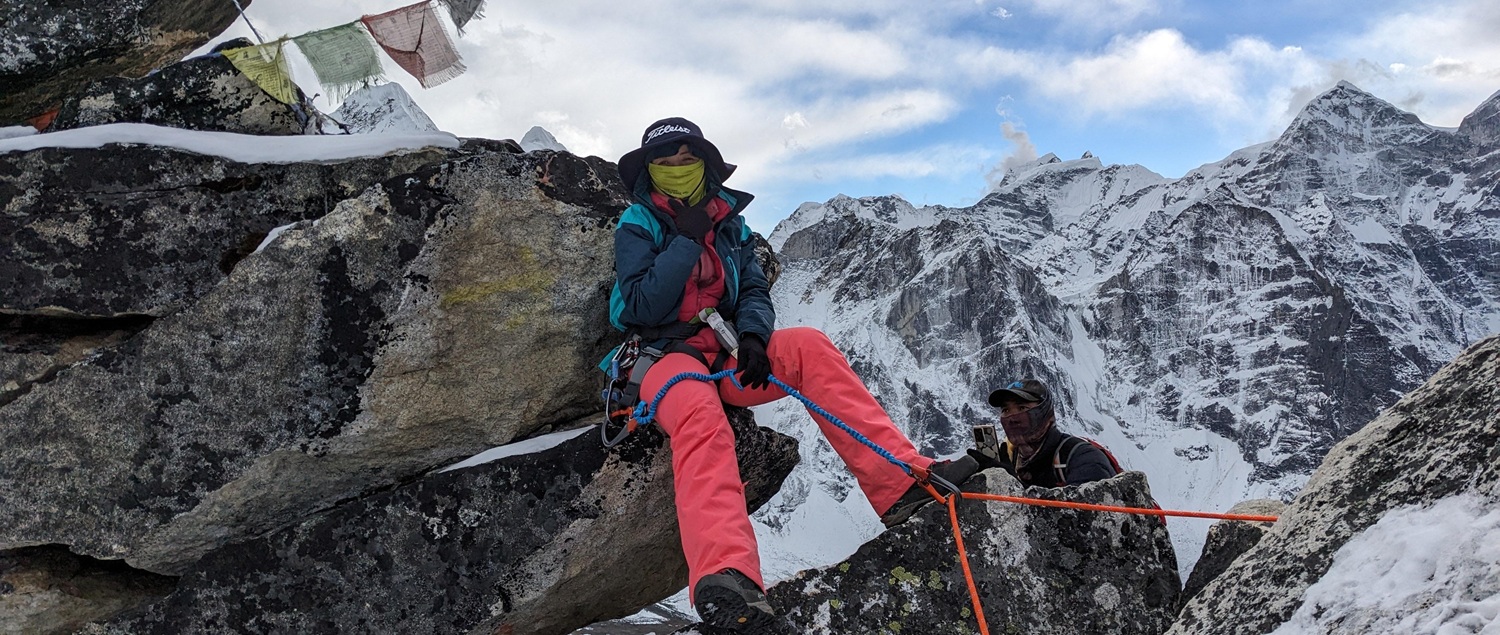
Before you start packing for your peak climbing trip in Nepal, it's very important to understand the baggage limits. This will guide what you can and cannot bring.
Keep these two main limits in mind:
For example, on the popular flight to Lukla (the gateway to Everest), the allowance is typically 10 kg for checked luggage and 5 kg for your carry-on bag, for a total of 15 kg. If your bags are heavier, you might have to pay extra fees or even leave some items behind.
To make your trip easier, pack smartly. Allocate your gear sensibly between your checked and carry-on bags. Focus on bringing only the most important items and use a layering system for your clothing to save space. This will help you have a smooth journey, whether you are flying from Kathmandu or Manthali to Lukla.
If you need more help deciding what to pack, you can get advice from a local trekking team- Outward Adventure Treks and Expedition.
 Jul 14, 2026
Planning a Himalayan adventure in 2027? Everest Base Camp vs Annapurna Base Camp Trek is one of the most searched compar...
Read More Jul 09, 2026
Planning your 2027 Island Peak and Everest Base Camp Trek is your opportunity to experience two of Nepal's most iconic H...
Read More Jul 05, 2026
Nepal is globally recognized as the heart of Himalayan mountaineering, offering the world's most iconic high-altitude ex...
Read More Jun 28, 2026
Combined Lobuche and Island Peak Climbing is one of Nepal's most rewarding and challenging alpine adventures, offering e...
Read More
Leave a Comment