
Any Questions? Email Us
Talk to an Expert
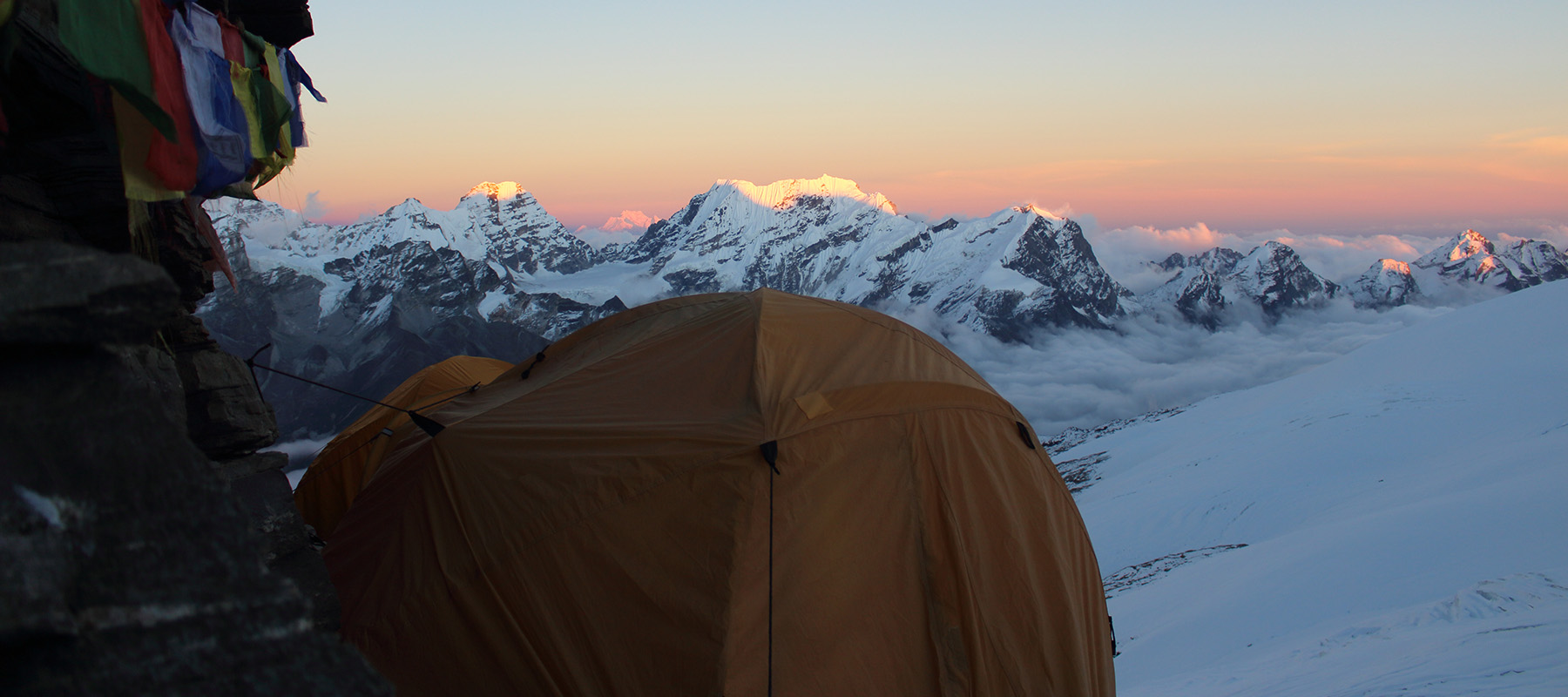
Acute Mountain Sickness ( AMS), popularly known as ALTITUDE SICKNESS, is a situation that occurs as the body struggles to adapt to the high-elevation Himalayan lands, especially above 3000m and above sea level. On Mera Peak (up to 6,476m), studies suggest that nearly 40% of trekkers experience mild AMS symptoms, while 1-2% may develop life-threatening conditions such as HAPE or HACE. We, the team of Outward Adventure Treks, while organizing peak climbing and expeditions, are aware of the threat of Altitude Sickness for those guests who ascend the highlands without appropriate acclimatization (generally at Kothe and Khare in this journey).
Acute Mountain Sickness can occur to anybody irrespective of mountaineering experience, age, and fitness level. Generally, while ascending to the thinner air for a longer period of time with lower oxygen levels, it is one of the major concerns during the Mera Peak Climbing elevation gains.
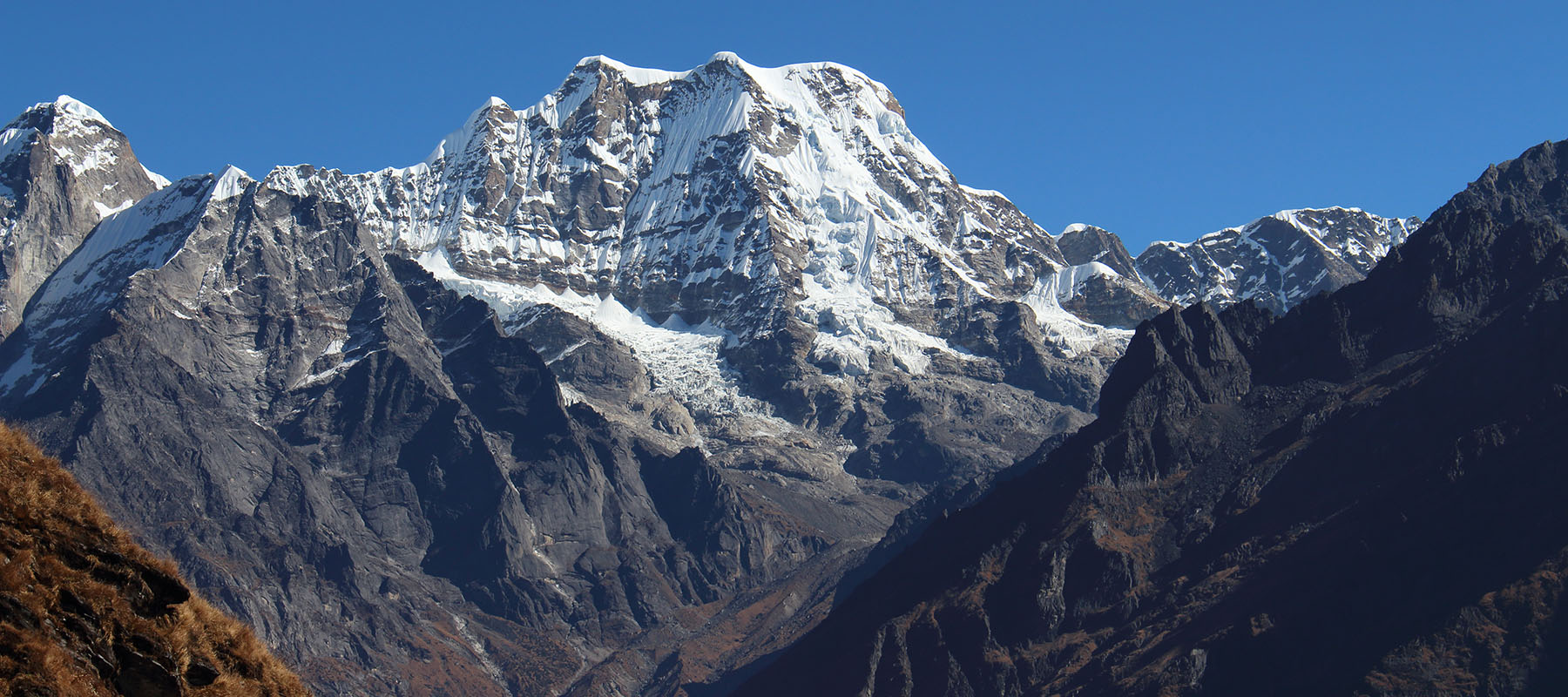
Ignoring the early signs of high-altitude sickness can quickly escalate into serious conditions like High-altitude Pulmonary Edema (HAPE) or High-altitude Cerebral Edema (HACE), which require immediate medical attention. At the summit elevation of Mera Peak, where health posts and facilities are limited, even experienced trekkers and climbers can face severe complications. Therefore, anyone planning the Mera Peak trek should be well-informed about acute mountain sickness (AMS) and know how to take preventive measures.
These are the mildest and most common symptoms, similar to a bad hangover. If you experience these, it is a sign to stop and rest.
If mild symptoms are ignored and you continue to ascend, they can progress to these life-threatening conditions. Immediate descent and medical attention are required if you or someone in your group shows any of these signs.
The utmost way to overcome Altitude Sickness is acclimatizing (Our team usually acclimatizes at Kothe and Khare while climbing Mera Peak). This means gradually letting our body adapt to the changes in climate and thinner air conditions as you travel to higher elevations. As you move upward gradually, it helps your lungs to get deeper breath, which ultimately lets the red blood cells deliver and transmit more oxygen to your body parts.
On one of our Mera Peak treks, we had a moment that reminded us how real altitude can get. One of our group started feeling off around 5,000 meters, headache, a bit of nausea, and some dizziness, classic signs of mild altitude sickness. No panic, though. We jumped right in to help them feel better. We made sure they were sipping warm water, like 2-3 liters a day, to stay hydrated. We kept things chill, skipping any tough climbs and sticking to light meals with some garlic and ginger tossed in to boost their system. We also slowed the pace way down, took plenty of breaks, and made sure they got solid rest.
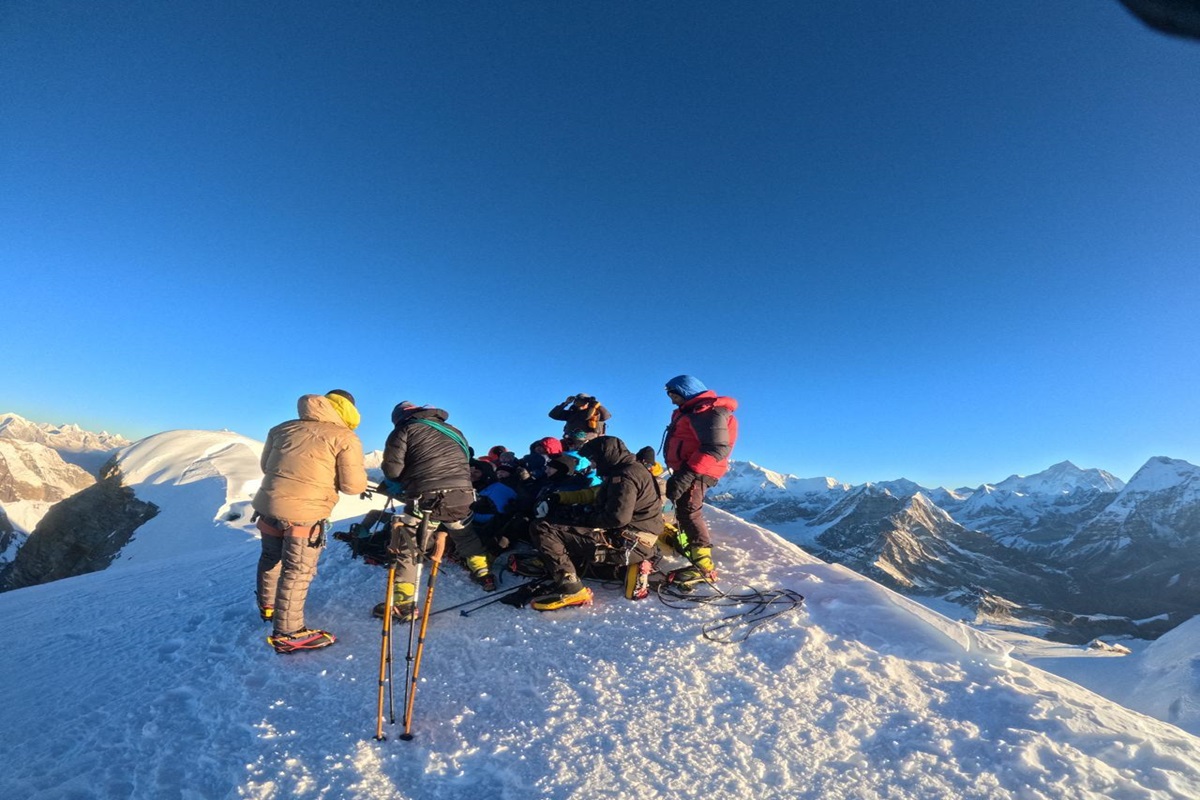
Generally, we do not recommend any medications to prevent acute mountain sickness, but it is widely seen that using Diamox (Acetazolamide) pills will help your body to acclimatize faster. This pill can be used once per day as you ascend higher, or else use it only when you sense some of the indications of high-altitude sickness.
So, these were some key measures we took to prevent or manage high-altitude sickness :
On the way to Mera Peak Climbing, trekkers/climbers will be moving above 6000m for a day. To complete this journey, you have to spend at least a couple of weeks in the mountainous lands. Outward Adventure Treks and Expedition plans Mera Peak Climbing Itinerary in such a way that you will have adequate time to rest.
Having proper rest days is extremely significant not only to prepare for the big expedition but also to avoid Altitude Sickness. Acclimatization day helps you adapt your body to the high elevations.
The high-elevation treks like the Ama Dablam Base Camp Trek, Everest Base Camp Trek, Annapurna Base Camp Trek, or Annapurna Circuit Treks are some of the treks that help you acclimate in high elevations.
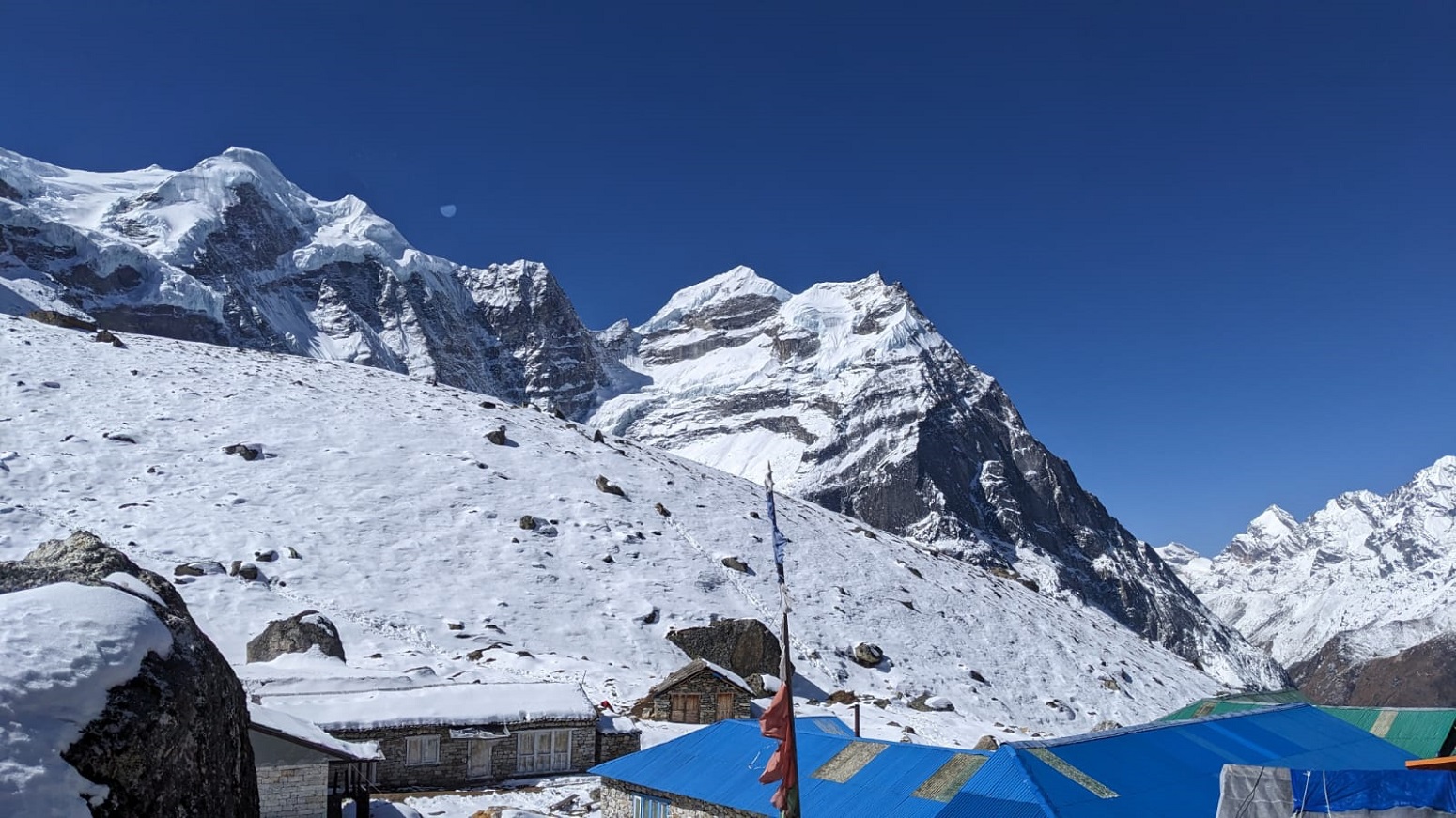
Weather in the high Himalayas, including Mera Peak, is always unpredictable, making it a key factor in the difficulty of the climb.
It also greatly affects the acclimatization process and, eventually, the risks related to it. However, the seasons viz. Spring (March to May) and Autumn (September to November) are known for their most favorable conditions: mild weather, stable temperature, chill nights, warmer days, and long walking hours, and astonishing views of the high mountains, hills, and valleys.
The duration of altitude sickness while climbing Mera Peak depends significantly on its severity. Milder cases typically resolve within a few days as the body adjusts to the lower oxygen levels at higher elevation. Symptoms generally fade once this acclimatization is complete.
However, more severe forms of the illness can deteriorate rapidly. The most critical conditions, known as High Altitude Pulmonary Edema (HAPE) and High Altitude Cerebral Edema (HACE), are life-threatening emergencies that can be fatal within a day.
This makes preventing progression absolutely vital. Recognizing the warning signs of these severe states, such as breathlessness even at rest or a loss of coordination and balance (ataxia) is essential for safety.
Outward Adventure Treks and Expedition always focuses on altitude acclimatization while climbing Mera Peak, which is a natural process of allowing your body to gradually adjust to the lower oxygen levels found at higher elevations.
The primary goal is to prevent altitude sickness, which can range from unpleasant to life-threatening. The most trusted strategy for safe acclimatization, especially once you ascend above 10,000 feet, is known as "climb high, sleep low". This means it is perfectly safe and even encouraged to venture to a higher altitude during the day for a hike or climb, but you should always return to a lower elevation to spend the night. This method lets your body experience the stress of thinner air while providing it with a more oxygen-rich environment for critical overnight recovery.
This process cannot be rushed. A standard guideline is to avoid increasing your sleeping altitude by more than 1,000 feet per day once you are already high up. For instance, you might climb from 10,000 feet to 15,000 feet in a single day, but you would then descend to sleep at around 11,000 feet.
This gradual approach signals your body to produce more red blood cells, which are crucial for carrying oxygen throughout your system. Many climbers and trekkers spend days or even weeks in this rhythmic pattern of ascending and descending before they are ready to summit a high peak like Mera, Lobuche, and Island.
For those looking to get a head start, simulated altitude equipment like special tents can pre-condition the body by providing low-oxygen air, helping to reduce the total time needed to acclimatize on the mountain itself.
Altitude sickness is a common challenge for those traveling to high elevations, but it is often very preventable with careful planning. The most effective strategy is to build a flexible schedule that allows your body sufficient time to acclimatize naturally; this gradual approach is your best defense. If you do begin to experience symptoms, it is crucial to recognize them as important warning signs.
You should immediately stop any further ascent, and if symptoms are persistent or worsening, the wisest course of action is to descend to a lower altitude. Resting and giving your body time to adjust are the primary ways to overcome a mild case.
While medications are available to help treat the symptoms or even aid in prevention, they should not replace a cautious approach. Most importantly, never ignore severe symptoms, as they can develop into serious medical emergencies requiring immediate descent and professional medical attention.
 Jul 21, 2026
Standing at 6,476 meters (21,247 ft), Mera Peak is Nepal's highest trekking peak and one of the world's most rewarding h...
Read More Jul 14, 2026
Planning a Himalayan adventure in 2027? Everest Base Camp vs Annapurna Base Camp Trek is one of the most searched compar...
Read More Jul 09, 2026
Planning your 2027 Island Peak and Everest Base Camp Trek is your opportunity to experience two of Nepal's most iconic H...
Read More Jul 05, 2026
Nepal is globally recognized as the heart of Himalayan mountaineering, offering the world's most iconic high-altitude ex...
Read More
Leave a Comment